

Is a 1 Carat Diamond Necklace Worth the Investment?
Is a 1 Carat Diamond Necklace Worth Buying? Here's What You Need to Know
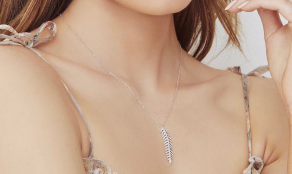
A 1 ct diamond necklace is one of the most sought-after fine jewelry pieces on the market — and for good reason. Before diving into the full guide, here's a quick comparison to help you decide which type is right for you:
| Type | Starting Price | Best For |
|---|---|---|
| Natural diamond (1 ct) | ~$2,400–$12,000+ | Heirloom value, long-term investment |
| Lab-grown diamond (1 ct) | ~$690–$1,190 | Budget-conscious, eco-friendly buyers |
| Moissanite (1 ct equivalent) | ~$171+ | Maximum sparkle at lowest cost |
Whether you're shopping for yourself or looking for a meaningful gift, the differences in stone type, metal, and setting can have a big impact on both price and quality.
Here's the thing: not all 1 carat diamond necklaces are created equal. A $690 lab-grown solitaire from an online retailer and a $12,000 natural diamond pendant from a fine jeweler can both be called "1 carat" — but they're very different purchases. Understanding why comes down to a handful of key factors: stone origin, the 4Cs, metal choice, and where you buy.
This guide breaks all of that down so you can shop with confidence.
I'm Morgan Price, a jewelry and gemstone research specialist who has spent years evaluating diamond quality, ethical sourcing practices, and pricing across the fine jewelry market — including extensive research into the 1 ct diamond necklace category specifically. In the sections that follow, I'll walk you through everything you need to compare your options and make a purchase you'll feel great about for years to come.
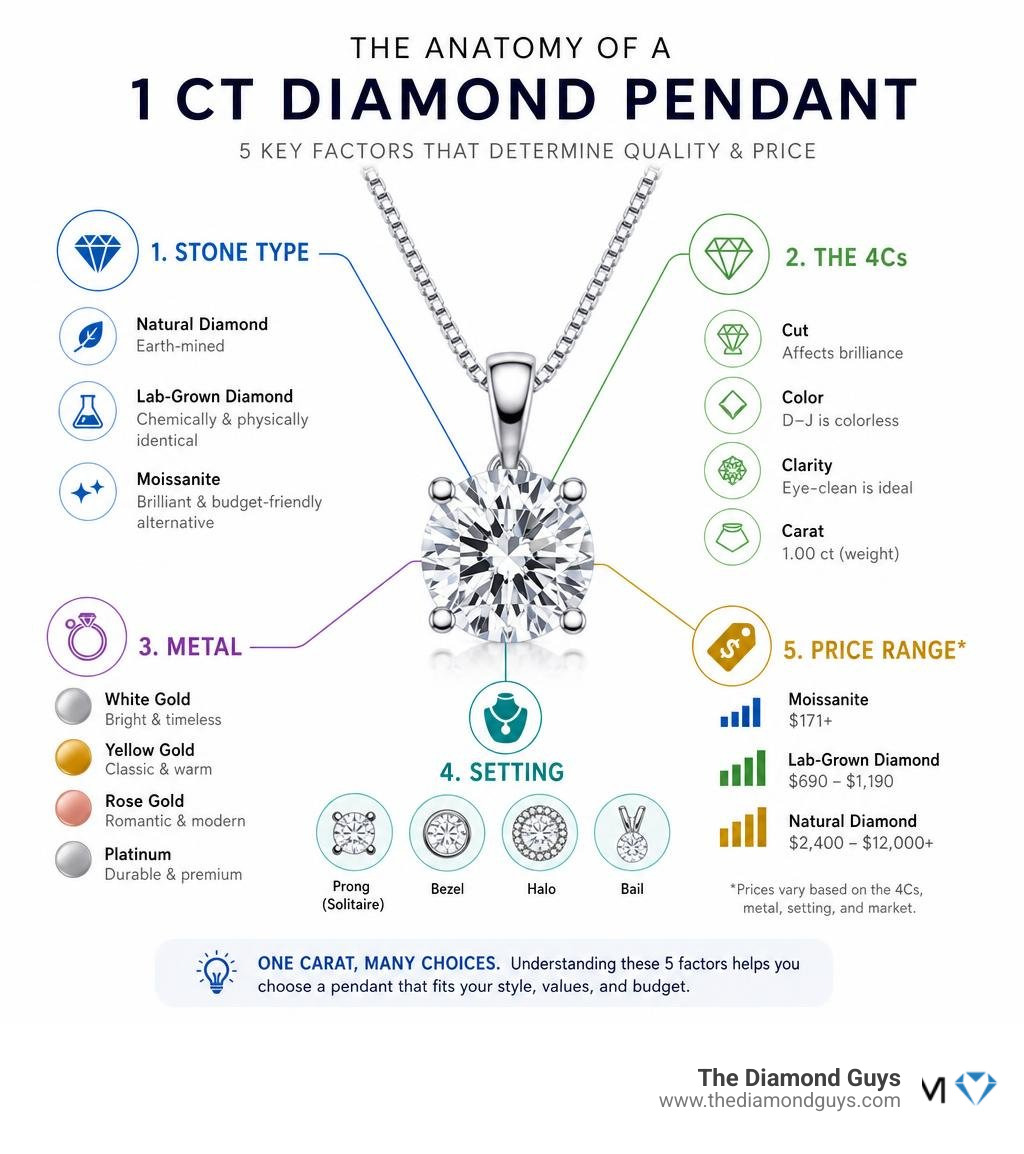
1 ct diamond necklace vocab explained:
Why the 1 ct Diamond Necklace is the Ultimate Jewelry Staple
There are very few pieces of jewelry that look just as spectacular with a plain white t-shirt and jeans as they do with a formal evening gown. The 1 ct diamond necklace is one of those rare, magical chameleons.
When we talk about a 1 carat diamond, we are referring to the physical weight of the gemstone (exactly 200 milligrams). In a solitaire pendant style, a single 1-carat stone sits right at the collarbone, catching the light with every movement. It is large enough to make a striking, visible statement from across a room, yet dainty enough to never look overdone or gaudy.
For decades, this specific carat weight has been the "sweet spot" for jewelry lovers. It represents a major milestone—whether it is a self-purchase celebrating a promotion, a landmark anniversary gift, or a graduation present. Because of its timeless design, it bypasses fleeting fashion trends. While chunky statement necklaces and colorful enamel chokers come and go, a classic solitaire pendant remains a wardrobe anchor that you can easily pass down to future generations.
Comparing Stone Types: Natural vs. Lab-Grown Diamonds
If you are shopping for a 1 ct diamond necklace in June 2026, you have more choices than ever before regarding the origin of your gemstone. The modern jewelry landscape is divided into three primary options: natural diamonds, lab-grown diamonds, and diamond simulants like moissanite.
To help you visualize how these stack up, here is a breakdown of what you can expect:
| Feature | Natural Diamond | Lab-Grown Diamond | Moissanite |
|---|---|---|---|
| Origin | Mined from the Earth | Grown in a high-tech lab | Silicon carbide (lab-created) |
| Chemical Composition | Pure Carbon ($C$) | Pure Carbon ($C$) | Silicon Carbide ($SiC$) |
| Brilliance (Refractive Index) | High (2.42) | High (2.42) | Very High (2.65 - 2.69) |
| Hardness (Mohs Scale) | 10 (Hardest) | 10 (Hardest) | 9.25 |
| Price Point (1 ct) | Premium ($2,400 - $12,000+) | Moderate ($690 - $1,500) | Budget ($150 - $400) |
| Best For | Heirloom value & tradition | Maximum diamond size for budget | Maximum sparkle on a strict budget |
Choosing a Natural 1 ct Diamond Necklace for Heirloom Value
A natural diamond is a miracle of nature, formed billions of years ago under intense heat and pressure deep within the Earth. Because the supply of gem-quality natural diamonds is finite, they hold a distinct rarity and long-term value.
If you are purchasing a 1 ct diamond necklace with the intention of it serving as a true family heirloom—something that retains inherent financial and historical worth over decades—natural is the gold standard. There is an emotional, romantic connection to wearing a piece of the Earth's history that lab-grown alternatives simply cannot replicate.
Selecting a Lab-Grown 1 ct Diamond Necklace for Modern Budgeting
Lab-grown diamonds are chemically, physically, and optically identical to mined diamonds. They are real diamonds; they simply start in a laboratory using advanced technology (HPHT or CVD) that mimics the natural growing process.
The primary benefit of choosing a lab-grown 1 ct diamond necklace is the incredible cost savings. You can typically purchase a lab-grown diamond of exceptional cut, color, and clarity for a fraction of the cost of a natural stone of the same quality. This makes it an incredibly accessible, sustainable, and modern choice for buyers who want the unmistakable sparkle of a real diamond without the premium price tag.
How the 4Cs and Metal Choices Impact Quality and Price
When evaluating a 1 ct diamond necklace, the price isn't just determined by the carat weight. The overall quality and cost are heavily dictated by the remaining 4Cs: Cut, Color, and Clarity.
- Cut: This is the most critical factor for a necklace. Because a pendant sits on your chest and moves with you, its ability to dance with light is paramount. A diamond with an "Excellent" or "Ideal" cut will sparkle intensely, even if its color or clarity grades are slightly lower.
- Color: Diamond color is graded from D (completely colorless) to Z (light yellow). For a solitaire necklace, you can safely save money by choosing a stone in the G-J (near-colorless) range. Because the diamond is not sitting directly next to a wedding band (like an engagement ring), slight color differences are virtually impossible to spot with the naked eye.
- Clarity: This measures the internal inclusions and surface blemishes. Solitaire pendants are generally viewed from a slight distance, meaning you can comfortably opt for an SI1 or SI2 (Slightly Included) clarity grade. As long as the stone is "eye-clean" (meaning you cannot see imperfections without magnification), you do not need to pay a premium for Flawless grades.
Metal Options and Style Impact
The metal you choose to frame your diamond plays a massive role in both the durability and the aesthetic vibe of your necklace.
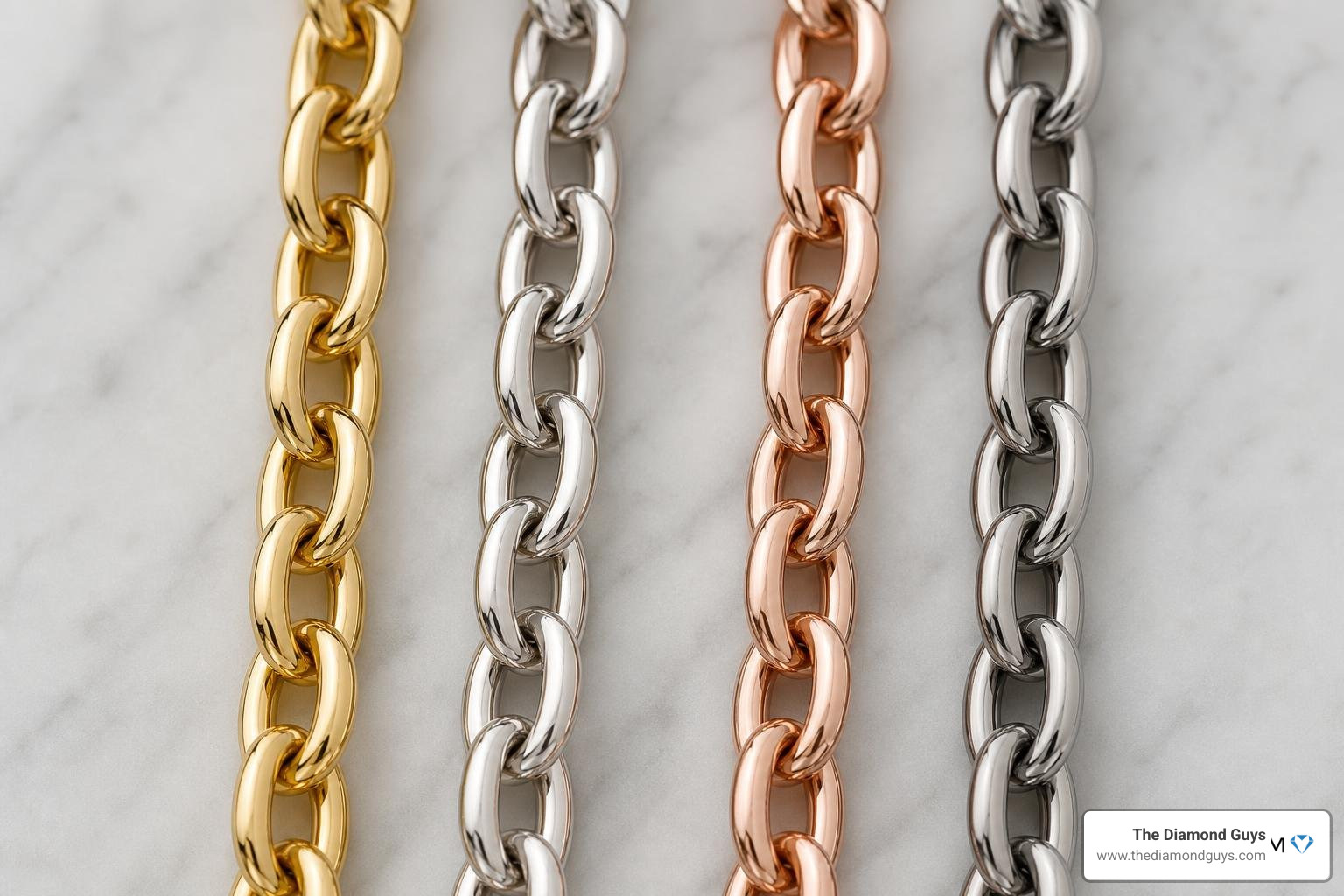
- Yellow Gold (14k or 18k): Classic, warm, and highly popular. Yellow gold provides a beautiful contrast that makes a colorless diamond pop, and it can even make slightly lower color grades (like K or L) look intentionally warm and vintage.
- White Gold (14k or 18k): Offers a sleek, modern, and seamless look. White gold is coated in rhodium for extra shine, though it requires occasional replating over the years to maintain its bright white finish.
- Rose Gold: Romantic and whimsical, rose gold looks stunning on all skin tones and gives a vintage, customized feel to a modern solitaire.
- Platinum: The ultimate luxury metal. Platinum is naturally hypoallergenic, incredibly durable, and heavier than gold. It holds the diamond with maximum security and will never lose its white color.
- Sterling Silver: While budget-friendly, sterling silver is generally not recommended for a high-value 1-carat diamond. Silver tarnishes easily and is much softer, meaning the prongs holding your precious stone are more prone to bending or breaking over time.
Popular Shapes, Settings, and Chain Styles
While the round brilliant diamond remains the undisputed champion of the solitaire world, modern jewelry design offers a variety of shapes and settings to match your personal style.
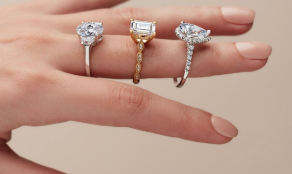
- Round Brilliant: Engineered for maximum light return. If you want the brightest sparkle possible, this is your shape.
- Princess Cut: Square and modern, offering clean lines and a contemporary geometric look.
- Oval & Pear Shapes: These elongated cuts have an elegant, slimming effect on the neckline and often look larger than a round diamond of the same carat weight.
Settings: Prong vs. Bezel
The setting is how the diamond is secured to the pendant:
- Prong Setting: Typically featuring 4 or 6 prongs, this classic style allows the maximum amount of light to enter the sides of the diamond, creating unparalleled brilliance. An open gallery design is particularly excellent for letting the diamond breathe and shine.
- Bezel Setting: A sleek metal rim wraps completely around the diamond's edge. This offers ultimate protection against chipping and snagging, making it perfect for active individuals who wear their jewelry 24/7. It also creates a clean, modern frame that can make the diamond appear slightly larger.
Chain Length and Wearability
A stunning pendant is only as good as the chain it hangs on. Most classic diamond pendants come with a cable chain, which consists of uniform, interlocking oval links. It is strong, flexible, and doesn't kink easily.
- 16-inch Chain: Sits higher up, resting gently around the base of the neck. This is ideal for petite frames or for wearing with scoop-neck and V-neck tops.
- 18-inch Chain: The industry standard. It falls just below the collarbone, making it incredibly versatile for layering with other necklaces.
Many high-quality chains feature an adjustable loop at 16 inches, allowing you to customize the length depending on your outfit of the day.
Frequently Asked Questions About 1 Carat Necklaces
How can I verify the authenticity of a 1 ct diamond necklace?
Always buy from reputable, established jewelers and ensure your diamond comes with a grading report from an independent, world-renowned laboratory such as the GIA (Gemological Institute of America) or IGI (International Gemological Institute). A professional jeweler can also use a specialized diamond tester or show you the laser inscription on the diamond's girdle under magnification.
What is the typical price range for a quality 1 ct diamond necklace?
Pricing varies dramatically based on stone origin and quality. A lab-grown 1 ct diamond necklace typically ranges from $690 to $1,500. A natural 1 ct diamond necklace can range from $2,400 on the lower end of the color/clarity spectrum to over $12,000 for a flawless, colorless, platinum-set masterpiece.
How should I clean and maintain my 1 ct diamond necklace?
Diamonds are natural magnets for grease, lotion, and dust. To keep yours sparkling, clean it regularly using a mild dish soap and warm water. Gently scrub the stone with a soft-bristled baby toothbrush, paying close attention to the open space behind the setting. Rinse thoroughly and dry with a lint-free cloth. We also recommend bringing your necklace to a professional jeweler once a year to ensure the prongs remain tight and secure.
Conclusion
At the end of the day, a 1 ct diamond necklace is absolutely worth the investment. It is a piece of wearable art that transcends passing fads, bringing a daily dose of elegance and confidence to whoever wears it. Whether you opt for the timeless heirloom value of a natural mined diamond or the smart, modern value of a lab-grown stone, choosing a piece that fits your lifestyle and budget is what matters most.
At The Diamond Guys, we believe that shopping for fine jewelry should be a fun, transparent, and personalized experience. We specialize in helping you navigate custom jewelry, offering expert guidance and ethically sourced natural and lab-grown diamonds. Skip the high-pressure, big-box retail environments and let us help you design or select the perfect necklace that you will cherish forever.
Ready to find your perfect sparkle? Read our guide on Expert guidance on diamond purchases or visit us in Scottsdale, AZ, or Los Angeles, CA, to experience the difference firsthand!


