

The Ultimate Guide to Picking the Perfect Gold Karat for Your Ring
Why Choosing the Right Gold Karat Matters for Your Diamond Ring
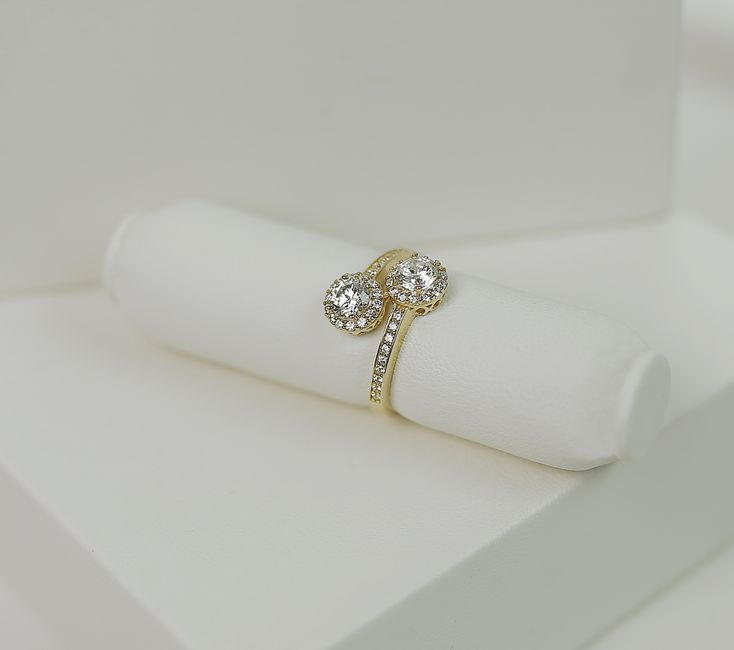
A 14k white gold diamond ring is one of the most popular choices for engagement rings in 2026 — and for good reason. But with so many metal options out there, it's easy to feel overwhelmed before you even look at a single diamond.
Here's a quick answer to help you compare gold purity options at a glance:
| Metal | Gold Purity | Durability | Typical Cost | Best For |
|---|---|---|---|---|
| 14k White Gold | 58.5% | High | $ | Daily wear, budget-conscious buyers |
| 18k White Gold | 75% | Moderate | $$ | Richer color, sensitive skin |
| Platinum | 95%+ | Very High | $$$ | Maximum durability, hypoallergenic |
| 14k Yellow Gold | 58.5% | High | $ | Classic look, traditional styles |
14k white gold hits the sweet spot for most buyers. It's durable enough for everyday wear, more affordable than platinum or 18k gold, and its bright, neutral tone makes diamonds look stunning.
Choosing the wrong karat can mean a ring that wears down too fast, costs more than your budget allows, or simply doesn't look the way you imagined. This guide walks you through everything you need to know before you buy.
I'm Morgan Price, a backlink outreach and SEO specialist with deep experience researching the jewelry market — including the 14k white gold diamond ring — to connect buyers with the most trustworthy, authoritative information available. Whether you're comparing metals, diamond types, or ring styles, this guide gives you the clarity to make a confident decision.
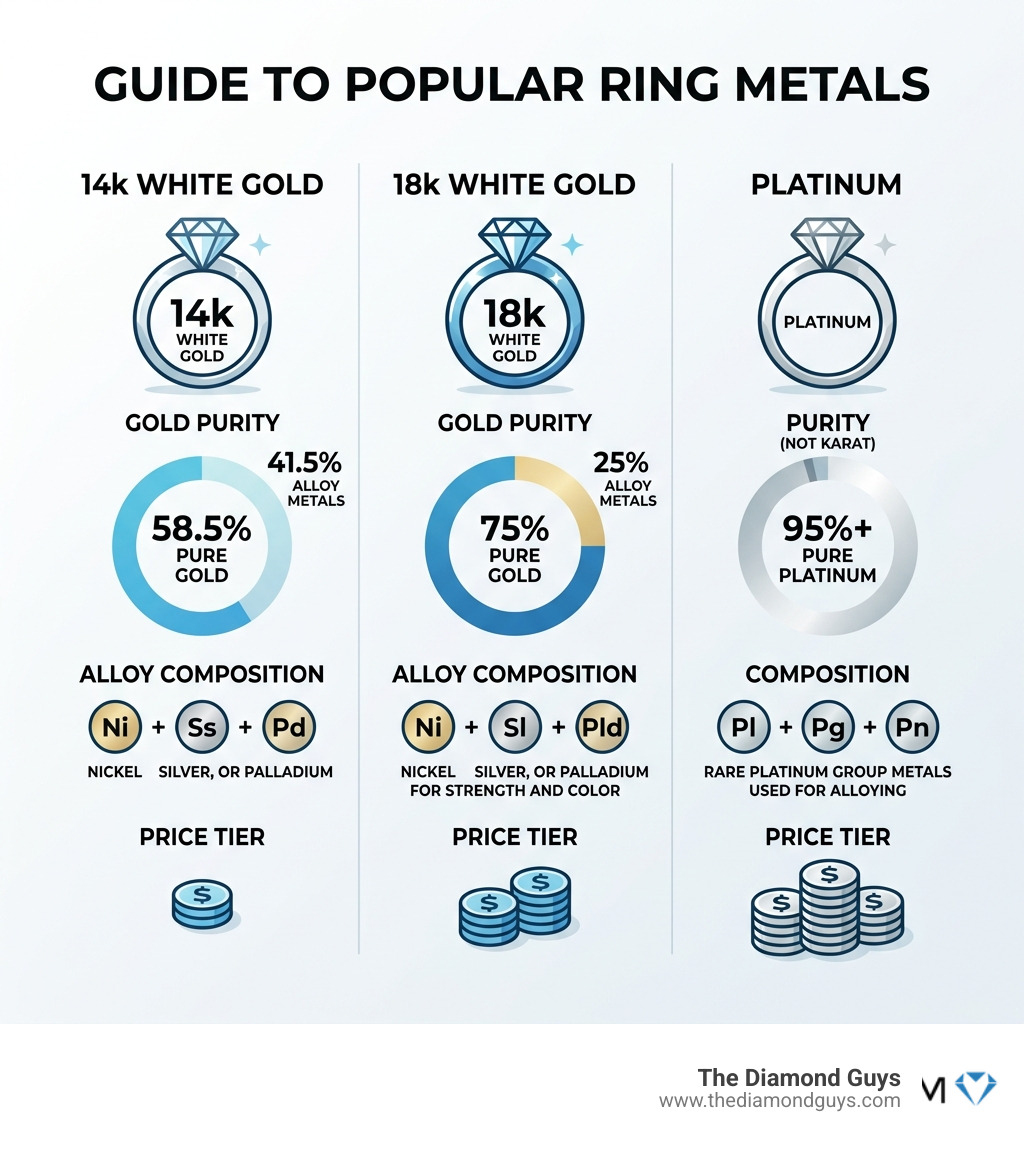
Quick 14k white gold diamond ring definitions:
Understanding 14K White Gold and Its Popularity
When we talk about a 14k white gold diamond ring, we are looking at a masterpiece of metallurgy. Pure gold is surprisingly soft—so soft, in fact, that you could almost bend a pure gold ring with your bare hands. To make it suitable for a lifetime of wear, we mix it with other metals.
The 58.5% Rule
The "14k" stamp signifies that the metal consists of 14 parts gold out of 24. Mathematically, this means it is 58.5% pure gold. The remaining 41.5% is a blend of durable alloy metals like nickel, silver, and palladium. These alloys serve two purposes: they provide the structural integrity needed to hold a diamond securely and help "bleach" the naturally yellow color of gold toward a whiter hue.
The Magic of Rhodium Plating
Even with white alloys, 14k gold still has a slight yellowish tint. To achieve that iconic, mirror-like chrome finish, every 14k white gold diamond ring is finished with rhodium plating. Rhodium is a member of the platinum family and is incredibly bright and reflective.
However, it isn't permanent. If you're wondering how long will rhodium plating last, the answer typically ranges from 12 to 24 months depending on your skin chemistry and how active you are. Re-plating is a simple maintenance step that makes your ring look brand new again.
Why It Dominates the Market
In 2026, the modern aesthetic favors cool tones. White gold offers a sleek, sophisticated look that complements almost any skin tone. It’s also largely hypoallergenic (though those with severe nickel allergies should opt for our nickel-free alloys or platinum). Most importantly, gold and diamonds are a match made in jewelry heaven because the white metal acts like a mirror, reflecting the diamond’s brilliance rather than tinting it with yellow light.
Comparing 14k White Gold Diamond Ring Purity and Durability
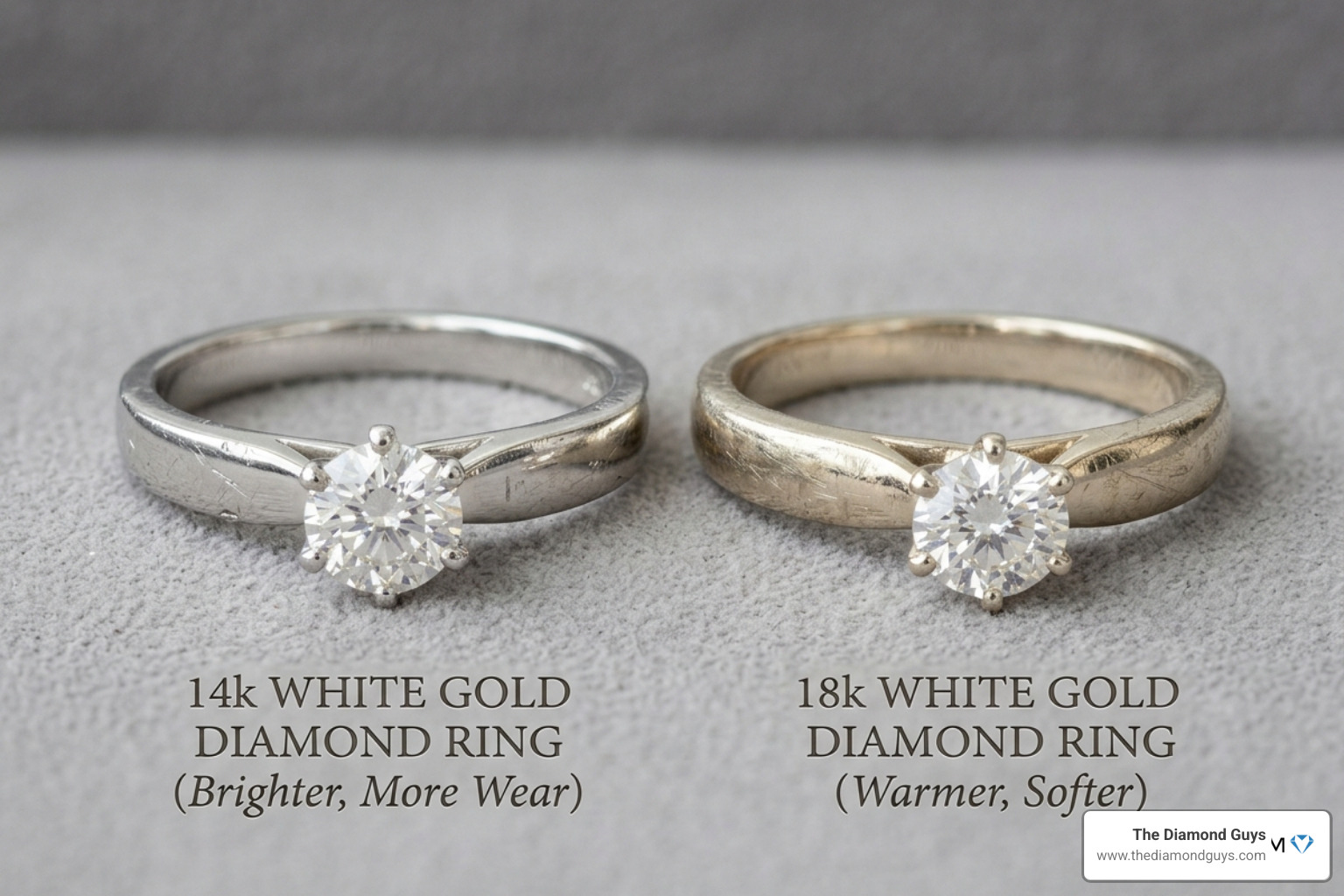
Choosing between 14k and 18k gold isn't just about the price tag; it's about how the ring fits into your life.
Scratch Resistance and Daily Wear
Because 14k gold contains a higher percentage of alloy metals than 18k gold (which is 75% pure), it is physically harder. This makes a 14k white gold diamond ring more resistant to scratches, scuffs, and bending. If you have an active lifestyle, work with your hands, or are simply a bit "clumsy" with your jewelry, 14k is often the superior choice for longevity.
Tensile Strength
Tensile strength refers to the metal's ability to resist breaking under tension. In a diamond setting, this is crucial for the prongs. 14k gold prongs are stiff and resilient, providing a very secure grip on your center stone. While platinum is denser and doesn't "wear away" over decades the way gold does, 14k white gold is actually more rigid, which some of our Scottsdale clients prefer for intricate diamond engagement rings in 14k white gold.
The Platinum Comparison
Platinum is the "heavyweight" of the group. It is naturally white (no plating required) and incredibly dense. However, it is also more expensive and develops a "patina" (a soft matte finish) over time. 14k white gold stays shiny longer thanks to the rhodium, and it is significantly more cost-effective, often saving buyers hundreds of dollars that can be redirected into a larger or higher-quality diamond.
| Feature | 14k White Gold | 18k White Gold | Platinum |
|---|---|---|---|
| Hardness | Highest | Medium | Lowest (prone to dents) |
| Purity | 58.5% | 75% | 95%+ |
| Weight | Light/Comfortable | Heavier | Heaviest |
| Maintenance | Needs Rhodium | Needs Rhodium | Needs Polishing |
Selecting the Right Diamond for Your Setting
Once you’ve settled on the metal, it’s time to talk about the star of the show: the diamond. When setting a stone in a 14k white gold diamond ring, the cool tone of the metal gives you a bit of a "cheat code" regarding the 4Cs.
Color Grades: The G-H Sweet Spot
Diamond color is graded from D (colorless) to Z (light yellow). In a yellow gold setting, you can get away with a lower color grade because the metal's tint hides it. However, in white gold, you want a stone that looks crisp. We usually recommend the "Near Colorless" range, specifically G or H. These stones look icy white to the naked eye but cost significantly less than D or E grades. For more details, check out our guide on what is diamond color.
Clarity and Carat
Clarity refers to internal inclusions or external blemishes. For a 14k white gold diamond ring, we find that VS2 to SI1 clarity grades offer the best value—they are "eye-clean," meaning you won't see any flaws without a microscope.
When it comes to size, the setting can influence how big the stone looks. A thin 14k white gold band can make a 1-carat stone look massive. If you're curious about how dimensions translate to visual impact, see our breakdown of what is diamond carat size and what diamond clarity is best.
Natural vs Lab-Grown Diamonds in a 14k White Gold Diamond Ring
The biggest debate in 2026 is often Natural vs. Lab-Grown. Both are real diamonds with identical chemical, physical, and optical properties.
- Natural Diamonds: These represent rarity and billions of years of Earth's history. They generally hold their value better over time and appeal to those who value tradition.
- Lab-Grown Diamonds: These are created in a controlled environment. The primary benefit? You can often get a diamond that is 30-50% larger for the same price as a natural stone.
Whether you should you buy a lab grown diamond depends on your priorities. Both look spectacular in 14k white gold. To clear up any confusion, we’ve written extensively on lab diamonds vs real diamonds and the fundamental question: are lab grown diamonds real diamonds? (Spoiler: Yes, they are!)
Popular Styles and Customization Options
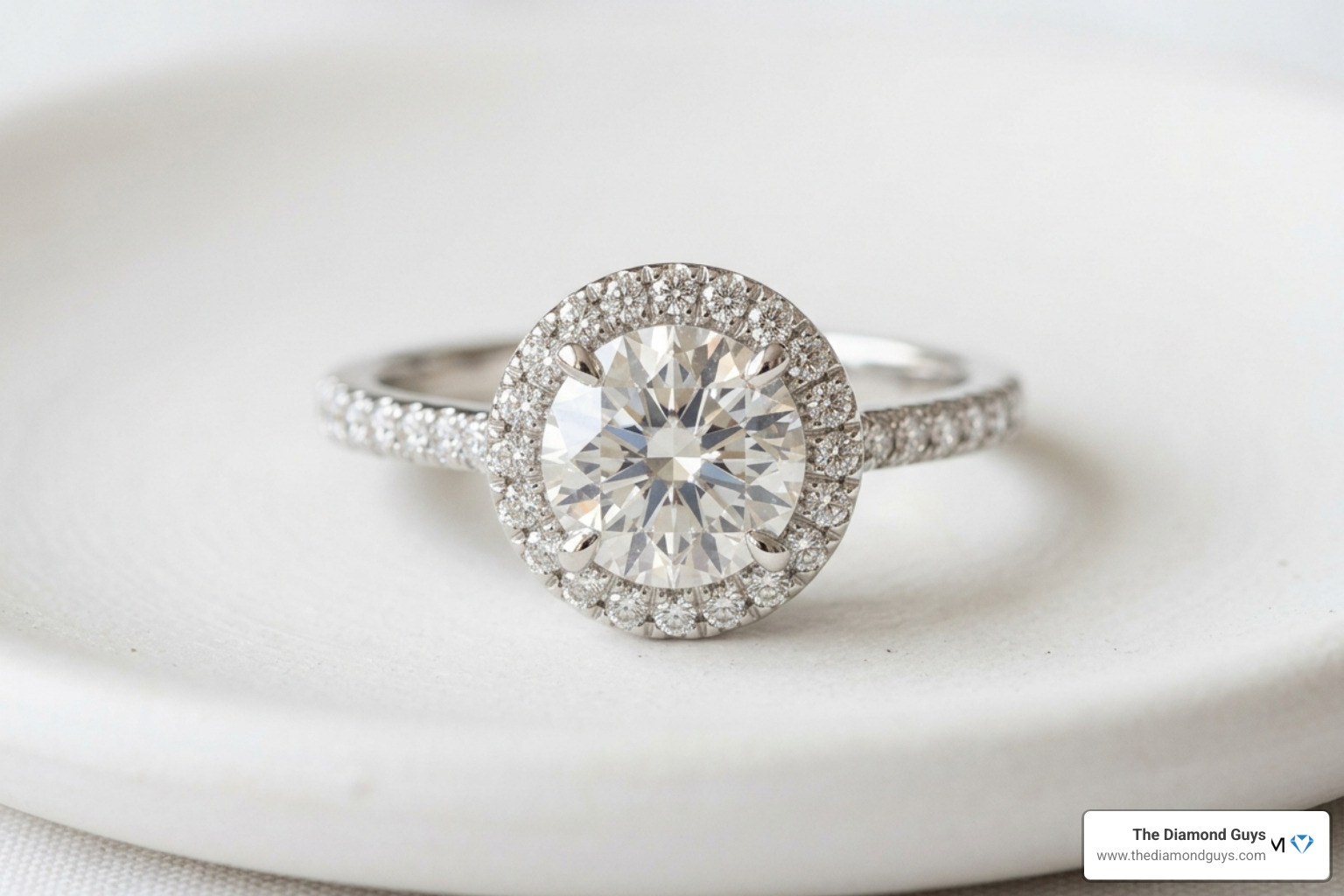
The versatility of 14k white gold allows for incredible design variety. We see several trends dominating the Scottsdale and Phoenix jewelry scenes:
- Solitaire: The classic. A single diamond held by four or six prongs on a polished 14k band.
- Halo: A circle of smaller diamonds surrounds the center stone, making it appear much larger and adding extra "fire."
- Three-Stone: Representing your past, present, and future.
- Vintage-Inspired: 14k white gold is perfect for milgrain detailing and filigree, giving a nod to the Art Deco era.
- Pavé: Small diamonds set into the band itself for a continuous "path of light."
Choosing the right look is a personal journey. We recommend starting with our guide on how to choose a diamond ring setting to find a style that fits your hand shape and lifestyle. For those looking for something bold, an emerald-cut lab-grown diamond ring in 14k white gold is a popular choice for its clean lines and modern flair.
Maintenance and Sizing for Your 14k white gold diamond ring
A fine piece of jewelry is an investment that requires a little TLC. Because 14k gold is durable, it doesn't need much, but a little goes a long way.
Professional Maintenance
We recommend bringing your ring in every six months for a "checkup." We’ll inspect the prongs to ensure they haven't been snagged or loosened. We also provide professional ultrasonic cleaning to remove the oils and lotions that dull a diamond's sparkle.
As mentioned, rhodium re-plating is the key to keeping that "white" look. If you ever notice a slight warm or yellowish tint on the bottom of the band, it’s simply time for a quick dip in the rhodium bath.
Resizing Your Ring
Life happens! Fingers change size due to weather, weight shifts, or even pregnancy. Most 14k white gold diamond rings can be resized easily by a master jeweler. However, there are limits—especially with pavé bands where diamonds go all the way around.
If you're worried about fit, read our expert take on can engagement rings be resized. If you are considering platinum instead, be aware that the process is different; see our platinum ring resizing complete guide for a comparison.
Frequently Asked Questions about 14k White Gold
Can you change a yellow gold ring to white gold?
Technically, you can plate a yellow gold ring in rhodium to make it look like white gold. However, as the plating wears off, the yellow will peek through quite noticeably. It is a high-maintenance solution. For a more permanent change, we often recommend resetting your diamond into a new 14k white gold mounting. Learn more about the process here: can you change a yellow gold ring to white gold.
Is 14k white gold better for active lifestyles than 18k?
Yes. Because 14k gold has more alloy metals, it is harder and more resistant to the "dings" and scratches that come with hiking, gym sessions, or busy workdays. It is the "workhorse" of the gold world.
Can you insure a lab-grown diamond ring?
Absolutely. Just like natural diamonds, lab-grown stones should be insured against loss, theft, or damage. Most major insurers offer specialized jewelry policies for them. For more information on protecting your purchase, see can you insure a lab grown diamond.
Conclusion
Choosing a 14k white gold diamond ring is a decision that balances beauty, durability, and value. Whether you are looking for a classic solitaire or a custom-designed halo, 14k white gold provides the perfect foundation for a diamond that will sparkle for generations.
At The Diamond Guys, we pride ourselves on being more than just a jewelry store. With locations in Scottsdale, AZ, and Los Angeles, CA, we specialize in providing a personalized experience that big-box retailers simply can't match. From helping you understand the nuances of gold karats to ethically sourcing the perfect natural or lab-grown diamond, our expert guidance ensures you walk away with a ring you love.
Ready to find your perfect match? We invite you to visit us for shine bright: navigating diamond purchases with expert guidance and let us help you create a symbol of your love that truly lasts.


