

How to Master the 2 Carat Synthetic Diamond Price Tag
What You'll Actually Pay for a 2 Carat Synthetic Diamond (And Why It Matters)
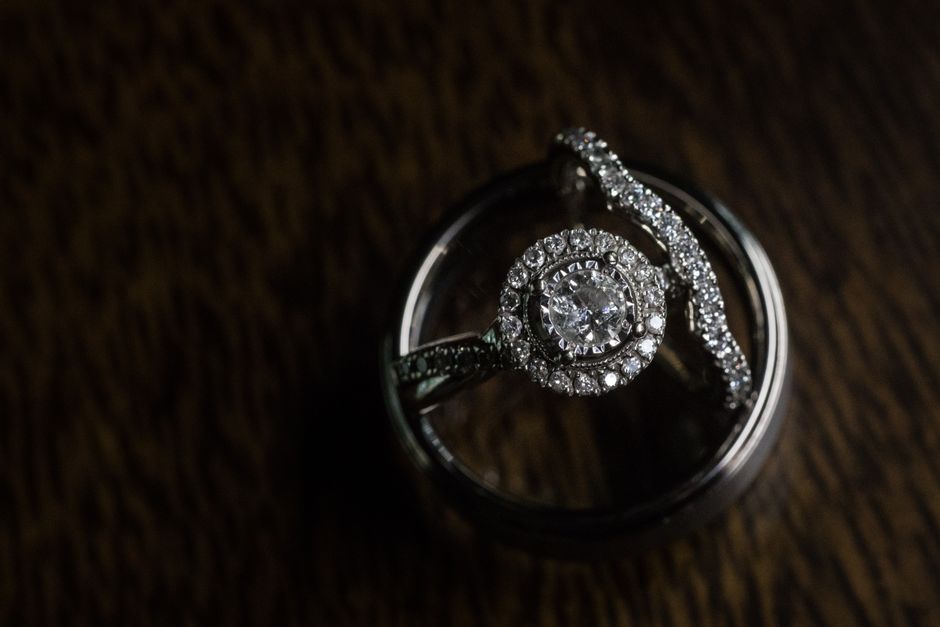
The 2 carat synthetic diamond price spans a wider range than most shoppers expect — and knowing where to look can save you thousands.
Here's a quick breakdown before we dive deeper:
| Quality Tier | Cut | Color | Clarity | Price Range |
|---|---|---|---|---|
| Basic | Good | G-H | SI1-SI2 | $1,000 - $3,000 |
| Mid-Range | Very Good | F-G | VS2-SI1 | $1,500 - $4,500 |
| High Quality | Excellent | D-F | VVS1-VS2 | $3,000 - $8,000 |
Key facts at a glance:
- The median price for a 2 carat lab-grown diamond is around $3,500
- Prices have dropped roughly 20% over the past six months due to increased supply
- Comparable mined (natural) diamonds run $10,000 to $30,000+ for the same specs
- That's a savings of 60-80% by choosing lab-grown
So if you're comparing a 2 carat synthetic diamond to a natural one, the value gap is enormous — and it's growing.
The catch? Not all synthetic diamonds at similar price points are equal. Cut quality, certification, and the specific combination of color and clarity grades can mean the difference between a stone that dazzles and one that disappoints — even at the same carat weight and price.
This guide will walk you through exactly how to read those differences and make a confident, well-informed purchase.
I'm Morgan Price, a diamond industry researcher and outreach specialist who has spent years analyzing lab-grown diamond markets, pricing trends, and retailer practices — including deep dives into what actually drives the 2 carat synthetic diamond price across different quality tiers. In the sections below, I'll share what the data and the experts really say, so you can shop with clarity and confidence.
Understanding the Current 2 Carat Synthetic Diamond Price Range
Navigating the market for a 2-carat stone requires a bit of historical perspective. Just a few years ago, a 2-carat diamond of any origin was a massive financial hurdle. Today, the 2 carat synthetic diamond price has become much more accessible, though it remains volatile. Currently, you can find 2-carat lab-grown loose stones ranging from as low as $600 for promotional-grade specs to $8,000 for "perfect" stones (D color, Flawless clarity, Ideal cut).
However, the "sweet spot" for most of our clients in Scottsdale and Phoenix tends to sit between $1,500 and $4,500. This range secures a high-quality, eye-clean diamond with excellent light performance.
Market Volatility and Trends
Why is the price moving so much? According to recent market data, prices for 2-carat lab diamonds have fallen by approximately 19.77% in the last three months alone. Over a six-month window, that drop extends to over 20%.
This trend is driven by two main factors:
- Inventory Growth: The global inventory of 2-carat lab-grown diamonds increased by over 18% in the last month. More supply naturally leads to more competitive pricing.
- Technological Efficiency: As laboratories refine the Chemical Vapor Deposition (CVD) and High-Pressure High-Temperature (HPHT) processes, the cost of "growing" a large, high-quality crystal continues to decrease.
If you want to compare live market benchmarks, resources like StoneAlgo's 2 Carat Lab Grown Diamond Prices can help illustrate how quickly prices shift across quality levels.
While these falling prices are great for your wallet today, lab-grown diamonds are not speculative investments. Their value lies in their beauty and the memories they represent, rather than their future resale potential.
How the 4Cs and Shape Influence Your 2 Carat Synthetic Diamond Price
When you step into a jewelry boutique, you aren't just buying a weight; you're buying a visual performance. The 4Cs—Cut, Color, Clarity, and Carat—act as the primary levers that move the 2 carat synthetic diamond price up or down.

The "Cut" is King
We always tell our clients: never compromise on the cut. A 2-carat diamond with a "Fair" cut will look dull and potentially smaller than a 1.5-carat diamond with an "Ideal" cut. In the lab-grown world, the price difference between a "Very Good" and an "Excellent/Ideal" cut is often negligible—sometimes only a few hundred dollars—but the visual impact is massive.
Color and Clarity: Finding the "Eye-Clean" Value
For a 2-carat stone, imperfections are easier to spot than in a 1-carat stone. However, you don't need a "Flawless" (FL) or "Internally Flawless" (IF) grade to have a beautiful ring.
- Clarity: Aim for VS2 or SI1. These grades are typically "eye-clean," meaning you can't see the inclusions without a microscope, but the price is significantly lower than VVS grades.
- Color: For stones set in white gold or platinum, G or H color grades offer the best value. They appear colorless to the naked eye. If you prefer yellow or rose gold, you can even drop to an I or J color, as the metal's warmth will mask any slight tint in the stone.
Price Differences Across Popular Diamond Shapes
The shape of your diamond significantly impacts the final invoice. The Round Brilliant is the most expensive shape because it results in the most "rough" diamond waste during the cutting process and is in the highest demand.
According to current industry price indices:
- Round: ~$1,278 (Index average)
- Emerald: ~$1,293
- Princess: ~$1,240
- Oval: ~$1,208
Fancy shapes like Ovals, Pears, and Marquise often provide a larger "spread," meaning they look bigger on the finger than a Round diamond of the same carat weight. Choosing an Oval can often save you money while providing a more significant visual impact.
Maximizing Value Within the 2 Carat Synthetic Diamond Price
To get the best bang for your buck, look for these specific "value" specs:
- Proportions: For a round diamond, look for a depth percentage between 59% and 62.5% and a table percentage between 54% and 58%.
- Fluorescence: While common in mined diamonds, it's rarer in lab diamonds. Generally, "None" to "Faint" is preferred, though it rarely impacts the price of synthetic stones as significantly as it does natural ones.
- Polish and Symmetry: Always aim for "Excellent" in both categories to ensure the light reflects perfectly.
Lab-Grown vs. Mined: The Massive Cost Gap
The most compelling reason shoppers choose a synthetic stone is the price-to-size ratio. A decade ago, a 2-carat diamond was a "status symbol" reserved for high budgets. Today, it’s a standard choice for couples who want maximum sparkle without the $20,000 price tag.
The 60-80% Savings Rule
A high-quality 2-carat mined diamond can easily cost between $15,000 and $30,000. In contrast, a lab-grown equivalent with the exact same chemical, physical, and optical properties will cost between $2,000 and $5,000.
This isn't because lab diamonds are "fake"—they are 100% real diamonds. The price difference exists because:
- Supply Chain: Mined diamonds require massive earth-moving operations, global shipping, and multiple "middlemen."
- Scalability: Labs can produce diamonds on demand. As technology improves, the "cost per carat" to grow a diamond drops.
- Ethics: Lab-grown diamonds are inherently conflict-free and have a much smaller environmental footprint, which appeals to the modern shopper.
CVD vs. HPHT: Does the Method Affect Price?
There are two ways to grow a diamond: Chemical Vapor Deposition (CVD) and High-Pressure High-Temperature (HPHT).
- HPHT often produces stones with a higher chance of D-F color grades but can sometimes have a faint blue tint (known as "blue nuance").
- CVD is the more common method for high-quality jewelry stones.
From a pricing perspective, the method matters less than the final 4C grade. A G-VS1 diamond will be priced similarly regardless of whether it was grown via HPHT or CVD. However, some connoisseurs prefer CVD as it more closely mimics the way diamonds grow in nature (atom by atom).
Smart Shopping Strategies for 2-Carat Diamonds
Buying a 2-carat diamond is a significant purchase, even at lab-grown prices. To ensure you’re getting a fair deal, you need to look beyond the price tag.
Certification is Non-Negotiable
Never buy a 2-carat diamond—natural or synthetic—without a report from a reputable lab.
- IGI (International Gemological Institute): The industry leader in lab-grown diamond certification. They provide very accurate and detailed reports.
- GIA (Gemological Institute of America): The "gold standard" for mined diamonds, they now certify lab diamonds with the same rigor. A GIA-certified lab diamond may carry a slight price premium, but it offers ultimate peace of mind.
- GCAL: Known for "guaranteed" grading and light performance maps.
Factor in the Setting
When budgeting for the 2 carat synthetic diamond price, don't forget the "house" the diamond lives in. A 2-carat stone is substantial and requires a sturdy setting.
- Solitaire: $500 - $1,500 (Clean and classic)
- Halo: $1,000 - $3,000 (Adds even more visual size)
- Metal Choice: Platinum is the most durable for a stone this size, but 14K or 18K gold are excellent, more cost-effective options.
Resale Value Outlook
We believe in transparency. Unlike natural diamonds, which retain a portion of their value (though rarely 100%), lab-grown diamonds have a very limited resale market. When you buy a lab diamond, you should view it as a beautiful piece of fine jewelry meant to be worn and loved for a lifetime, not as an asset to be liquidated later. The "investment" you make is the $15,000+ you saved by not buying a mined stone—money that can be put into a home down payment or a dream honeymoon.
Expert Buying Tips:
- The "Under-Size" Trick: Look for diamonds that are 1.90 to 1.95 carats. They look identical to a 2.00-carat stone but often come with a significant price discount because they fall just under the "magic" 2-carat number.
- Check the Ratio: For Ovals and Radiants, the length-to-width ratio determines the "vibe." An oval that is too wide can look "stubby," while one too long can look "skinny."
- Avoid the "Bow-Tie": Elongated shapes (Oval, Pear, Marquise) can sometimes have a dark shadow in the center. Always view a 360-degree video or see the stone in person.
Frequently Asked Questions about 2 Carat Synthetic Diamond Prices
Why are lab-grown diamond prices falling?
The primary reason is production efficiency. As more laboratories open and technology advances, it becomes cheaper and faster to grow high-quality crystals. Additionally, the market has seen a massive influx of supply, which has created a highly competitive environment for retailers, forcing prices down to benefit the consumer.
Can a jeweler tell the difference between lab and mined?
To the naked eye, and even under a standard jeweler’s loupe, no. Lab-grown diamonds are chemically, physically, and optically identical to mined diamonds. A jeweler would need specialized laboratory equipment (like a GIA iD100) to detect the specific growth patterns or the absence of nitrogen that distinguishes a lab-grown stone from a natural one.
What is a "good" price for a high-quality 2-carat stone in 2026?
Predicting 2026 prices is tricky, but based on current trajectories, a "good" price for a high-quality 2-carat stone (Excellent cut, G color, VS1 clarity) will likely sit between $1,200 and $2,500. As the market matures, we expect prices to stabilize as the cost of production reaches a floor.
Conclusion
Mastering the 2 carat synthetic diamond price is all about balancing the 4Cs with your personal style. By choosing lab-grown, you are choosing a path of "intelligent luxury"—getting the size and brilliance you’ve always wanted without the traditional financial burden.
At The Diamond Guys, we pride ourselves on providing a personalized, expert-led experience that you simply won't find at big-box retailers. Whether you are visiting us in our Scottsdale boutique or our Los Angeles location, our 5-star rated team is here to help you navigate certifications, shapes, and settings to find your perfect match.
Ready to find your sparkle? Explore our collection or learn more in our Lab Diamond Jewelry Store Guide to start your journey today.


