

2 Carat Lab Diamonds: Sparkle More for Way Less Cash
What a 2ct Lab Diamond Actually Costs (And Why It Matters)
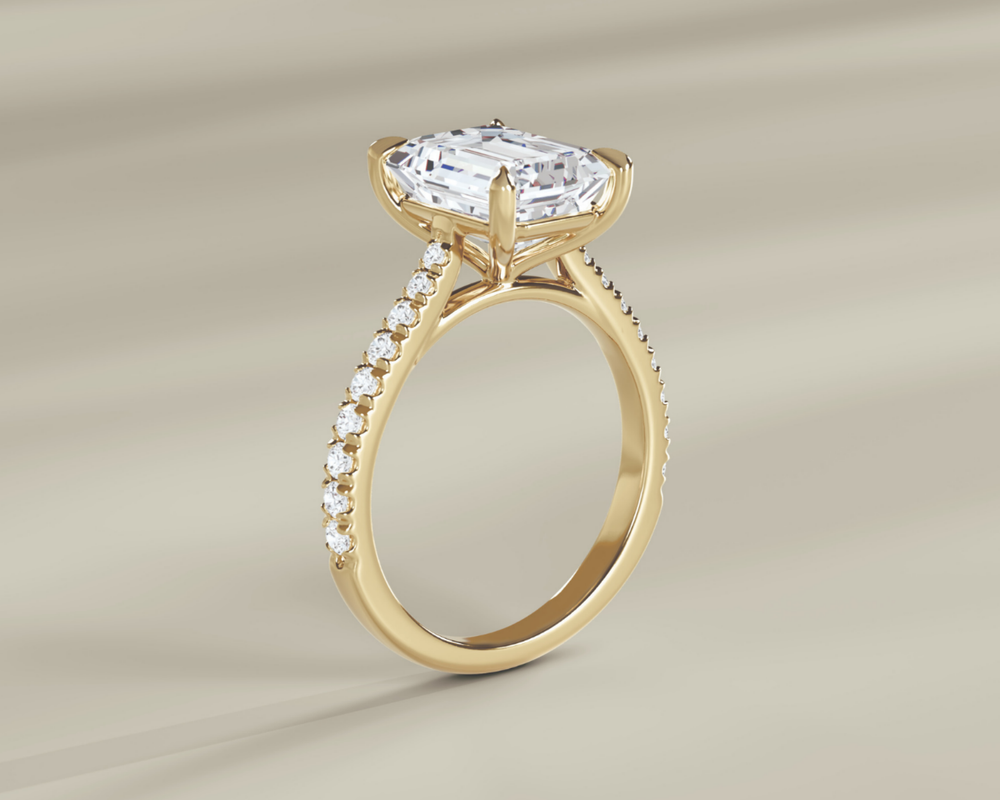
A 2ct lab diamond gives you the same stunning sparkle as a mined diamond — at a fraction of the price. Here's what you need to know right away:
| Lab-Grown 2ct Diamond | Natural 2ct Diamond | |
|---|---|---|
| Price Range | $1,200 – $2,500 | $15,000 – $25,000 |
| Chemical Composition | Identical | Identical |
| Optical Properties | Identical | Identical |
| Typical Savings | — | 60–70% more expensive |
| Certification | GIA or IGI | GIA or IGI |
The bottom line: You can get a beautiful, certified 2-carat diamond for around $1,200 to $2,500 if you go lab-grown. The same stone from the earth would cost you ten times more.
That price gap is real — and it's changing how people shop for engagement rings.
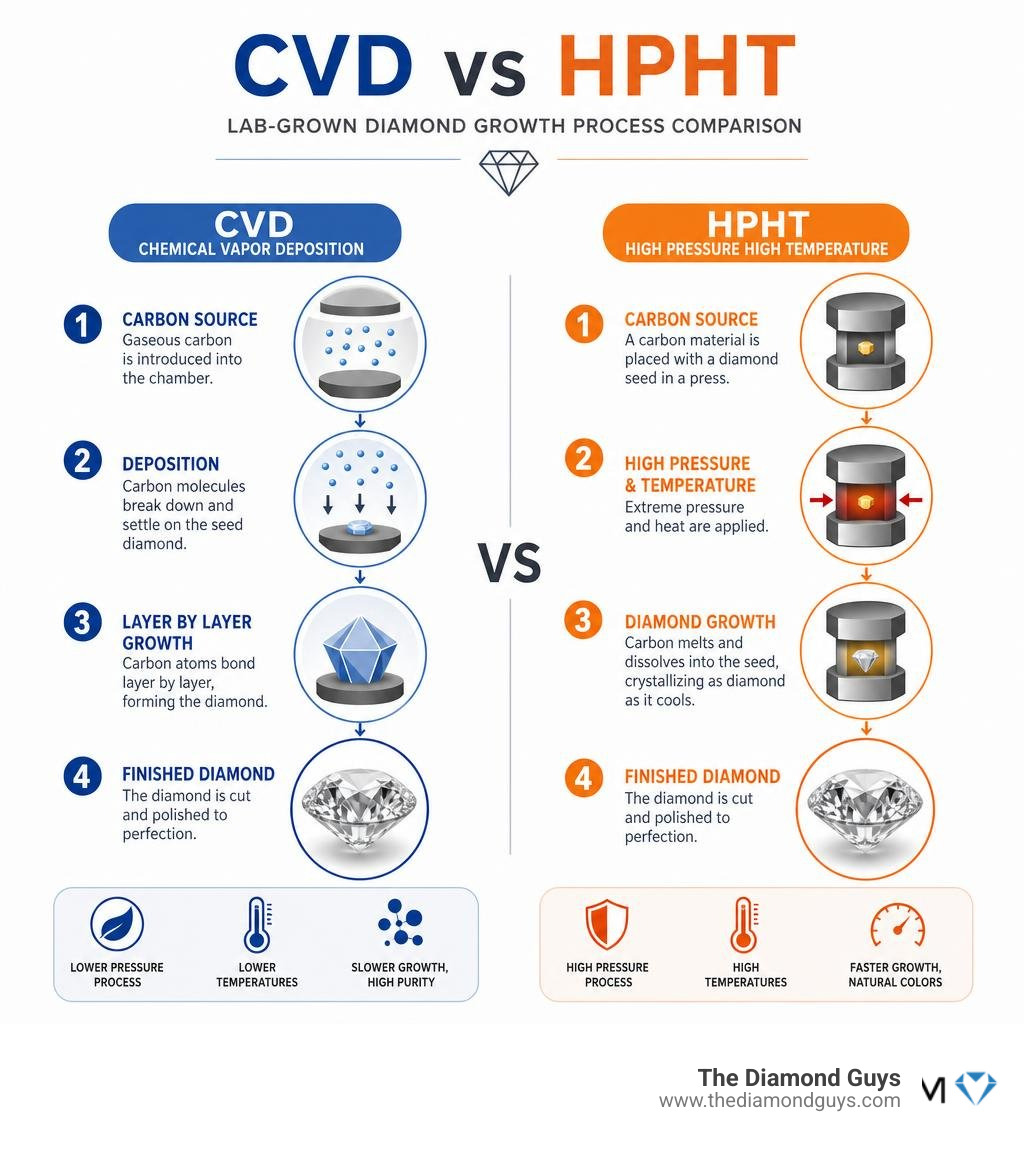
Lab-grown diamonds aren't simulants or fakes. They're actual diamonds, grown in a controlled environment using either CVD (Chemical Vapor Deposition) or HPHT (High Pressure High Temperature) technology. The result is a stone that's chemically, physically, and optically identical to one pulled from the ground.
For anyone planning a significant jewelry purchase — especially an engagement ring — that savings can mean the difference between a 2-carat dream ring and a smaller stone, or simply keeping more money in your pocket.
I'm Morgan Price, a backlink and content strategist who has spent years researching the 2ct lab diamond market and helping buyers navigate quality, pricing, and certification with confidence. In the sections below, I'll walk you through everything you need to make a smart, informed purchase — without the pressure of a traditional jewelry store.
Key 2ct lab diamond vocabulary:
Why a 2ct Lab Diamond is the Smart Modern Choice
When you look at a 2ct lab diamond next to a mined diamond, your eyes cannot tell the difference. Neither can a traditional jeweler's loupe. Why? Because they are physically, chemically, and optically identical.
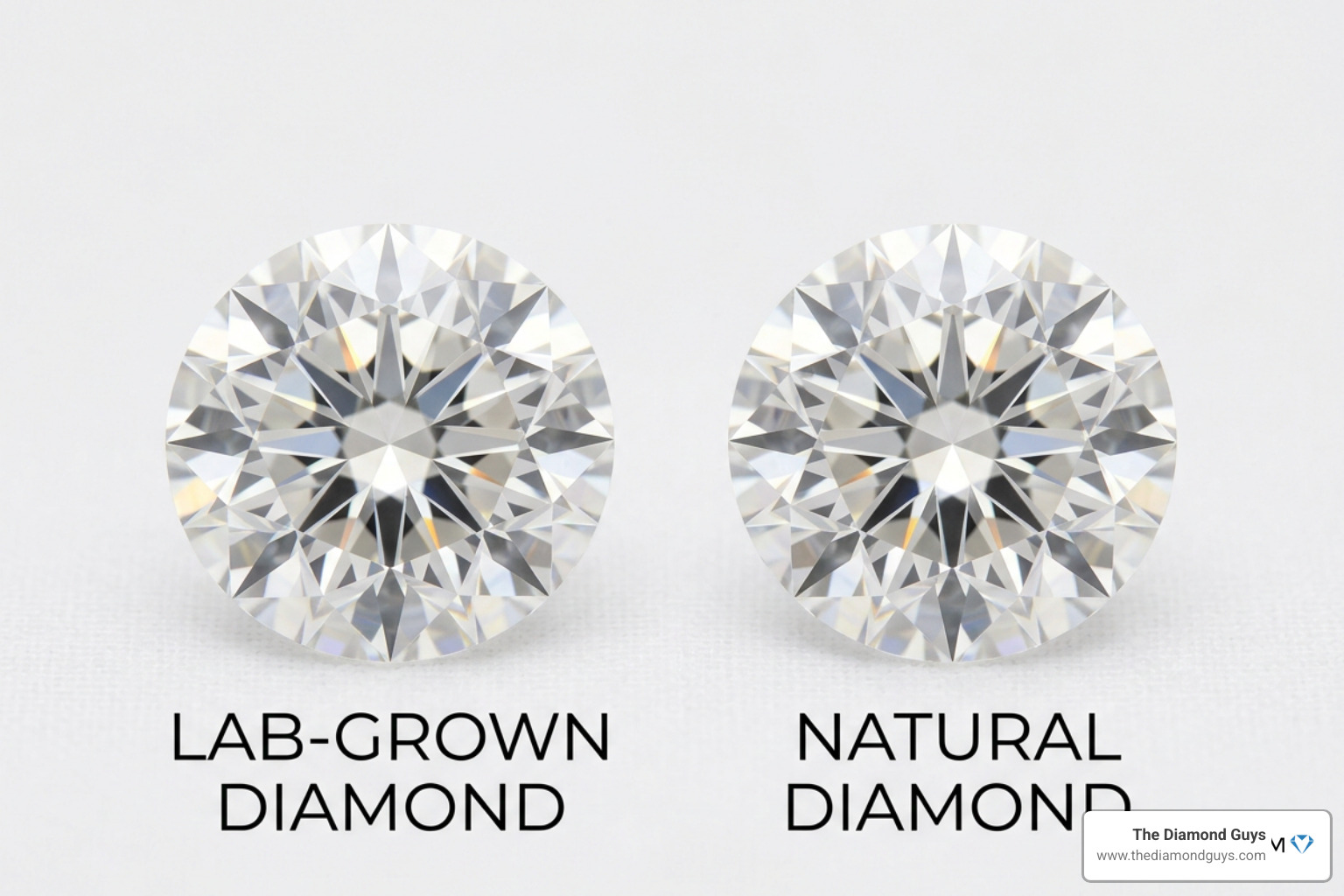
Both stones are composed of tightly bound carbon atoms arranged in a crystal structure. They share the exact same thermal conductivity, hardness (a perfect 10 on the Mohs scale), and optical brilliance. If you use a thermal diamond tester on a lab-grown stone, it will register as a real diamond because, scientifically, it is.
The difference lies entirely in their origin stories. A natural diamond is forged over billions of years deep within the earth under extreme heat and pressure. A lab-grown diamond is created in a high-tech facility over a period of weeks using advanced scientific methods.
By choosing a Certified Lab Grown Diamonds | The Diamond Guys, you are choosing a modern path that bypasses the traditional mining supply chain. This brings massive ethical and environmental advantages. Traditional diamond mining requires displacing tons of earth, which can disrupt local ecosystems and consume massive amounts of water and fossil fuels. In contrast, lab-grown diamonds have a significantly smaller environmental footprint and are guaranteed to be 100% conflict-free.
For couples in the Phoenix metro area looking for sustainable jewelry, this choice offers complete peace of mind. By choosing a local jeweler who specializes in these modern stones, you can explore stunning, eco-friendly designs right here in Arizona. Selecting a lab-grown stone means your love story starts with a clean environmental slate.
The Cost of a 2-Carat Lab-Grown Diamond vs. Natural Diamonds
Let's talk numbers, because the price difference is where the magic really happens. In June 2026, the market value of a high-quality, natural 2-carat diamond sits anywhere between $15,000 and $25,000+. Meanwhile, a 2ct lab diamond of the exact same quality typically ranges from $1,200 to $2,500, with top-tier options topping out around $3,000 to $4,000.
| Diamond Type (2 Carat) | Average Price Range | Visual Difference | Real Diamond? |
|---|---|---|---|
| Lab-Grown | $1,200 – $2,500 | None | Yes |
| Natural (Mined) | $15,000 – $25,000+ | None | Yes |
This means choosing lab-grown saves you roughly 60% to 70% (and sometimes up to 80% or more) compared to mined stones. But why is there such a massive gap in cost?
It all comes down to production efficiency and a streamlined supply chain. Natural diamonds require heavy machinery, massive mining operations, global shipping, and multiple middlemen—each adding a healthy retail markup along the way. Lab-grown diamonds are grown in controlled laboratory environments. As technology has advanced up to 2026, the efficiency of growing these crystals has skyrocketed, driving down the cost of production.
When you purchase Lab Grown Diamond Jewelry | The Diamond Guys, you are paying for the actual beauty and quality of the stone, not the astronomical costs of extracting it from deep within the earth. This budget optimization lets you redirect your hard-earned money toward a higher-quality setting, a more custom design, or even a fantastic honeymoon.
How to Choose the Perfect 2-Carat Shape, Cut, and Quality
Selecting a 2ct lab diamond involves understanding the classic 4Cs: Cut, Color, Clarity, and Carat Weight. Because lab-grown diamonds are so much more affordable, you have the flexibility to prioritize the factors that actually affect how the diamond looks on a finger.
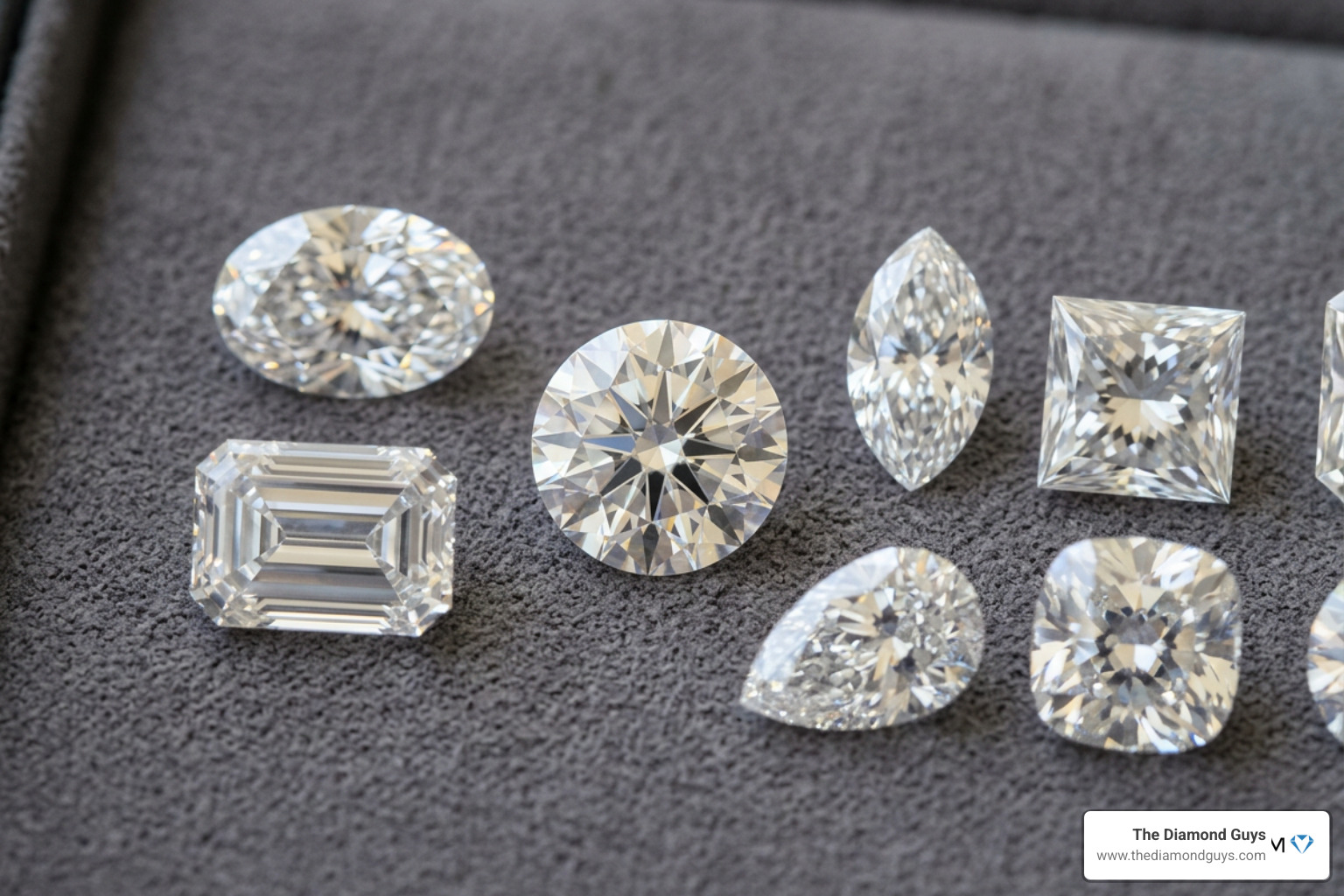
It is important to remember that carat weight is a measure of weight, not physical size. A 2-carat diamond weighs exactly 400 milligrams (0.4 grams). However, the actual millimeter size and visual spread of the stone will vary depending on its shape. For example:
- A classic Round Brilliant 2-carat diamond measures approximately 8.1 mm in diameter.
- An Oval or Pear shape 2-carat diamond has an elongated shape, often measuring around 10.5 mm by 7 mm, which gives it a larger visual spread and makes it look bigger on the hand.
Prioritizing Cut and Color for Maximum Brilliance
If you want your diamond to turn heads, Cut is your absolute top priority. The cut quality determines how well the stone reflects light. For a round diamond, you should always look for an Ideal or Excellent cut grade. This ensures that the table percentage (ideally 54% to 59%) and depth percentage (ideally 59% to 62.5%) are perfectly balanced to bounce light back to your eyes, creating maximum sparkle.
When it comes to color, you do not need to pay a premium for a perfect "D" color grade. Near-colorless grades like G or H offer incredible value. To the naked eye, these stones look completely white and icy, especially when set in white gold or platinum. This simple adjustment can save you hundreds of dollars while maintaining a flawless look.
Selecting the Best Clarity and Shape for Your Budget
Clarity refers to the tiny natural imperfections (inclusions) inside the stone. For brilliant cuts like round, oval, pear, or cushion, you can safely choose a VS2 or SI1 clarity rating. These grades are typically "eye-clean," meaning you cannot see any inclusions without a microscope.
However, if you fall in love with step cuts like an Emerald or Asscher cut, you will want to bump your clarity up to VS1 or VVS2. Step cuts have long, flat facets that act like windows, making it easier to spot inclusions. Elongated shapes like ovals, marquises, and pears not only maximize visual spread, but they also do a fantastic job of hiding minor inclusions, making them excellent choices for budget-conscious buyers who still want a big, bright look.
Designing the Ultimate 2-Carat Engagement Ring Setting
A 2-carat diamond has a commanding visual presence, which means it needs the right setting to support and showcase its beauty. The design of your ring setting should balance security, style, and your partner's personal taste.
- Classic Solitaire: This timeless design features a single center stone held by delicate prongs. It allows the maximum amount of light to enter the diamond from all angles, letting your 2ct lab diamond take center stage.
- Halo Setting: Surrounding your 2-carat center stone with a circle of smaller diamonds can make the center stone look even larger and add an extra layer of vintage-inspired sparkle.
- Bezel Setting: For those with an active lifestyle, a bezel setting wraps a thin metal rim around the edge of the diamond. This offers ultimate protection against bumps and scratches while delivering a sleek, modern aesthetic.
Your choice of metal also plays a huge role in the final look of the ring. Platinum and 14K White Gold are highly durable and highlight the icy brilliance of colorless or near-colorless diamonds. Yellow Gold and Rose Gold bring a warm, romantic glow that pairs beautifully with near-colorless stones (like G, H, or even I color grades), as the warm metal naturally masks any subtle warmth in the diamond.
At our Scottsdale showroom, we specialize in helping you bring these components together. Whether you want a simple, elegant band or a fully customized piece, our custom design process ensures your ring is built to last a lifetime.
Frequently Asked Questions About 2-Carat Lab Diamonds
Is a 2ct lab diamond a real diamond?
Yes, absolutely. A 2ct lab diamond is a real diamond in every sense of the word. It possesses the exact same physical, chemical, and optical characteristics as a mined diamond. It is made of pure carbon crystallized in an isometric system. The Federal Trade Commission (FTC) officially recognizes lab-grown diamonds as real diamonds. Traditional diamond detectors will identify them as diamonds because their atomic structure is identical to mined stones.
How big is a 2ct lab diamond on a finger?
A 2-carat round diamond measures about 8.1 mm in diameter. This size offers an impressive visual presence on the finger, providing excellent coverage without looking overly bulky. If you choose an elongated shape like an oval, pear, or marquise, the stone will appear even larger because more of its carat weight is distributed across the top surface (visual spread), giving you a larger look for the same weight.
What certification should I look for?
You should always look for diamonds certified by reputable, independent grading organizations like the International Gemological Institute (IGI) or the Gemological Institute of America (GIA). A certified grading report ensures that your diamond's cut, color, clarity, and carat weight have been verified by unbiased experts. Additionally, high-quality lab diamonds feature a microscopic laser inscription on the girdle that matches the certificate number, giving you complete quality assurance.
Conclusion
Choosing a 2ct lab diamond is the ultimate way to maximize your budget without compromising on quality, beauty, or ethical standards. You get a breathtaking, ice-bright stone that is physically identical to a mined diamond, while keeping thousands of dollars in your pocket.
At The Diamond Guys, we pride ourselves on providing a personalized, pressure-free shopping experience. Whether you visit our Scottsdale jewelry store or our Los Angeles showroom, our team of experts is here to guide you through the 4Cs, help you select the perfect certified stone, and design a custom engagement ring that tells your unique love story.
Ready to see the brilliant sparkle of a 2-carat lab diamond in person? Compare lab diamonds vs real diamonds to find your perfect match and let us help you craft the ring of your dreams today!


