

Rock Solid Love: Best Natural Diamond Engagement Rings for Your Partner
Why the Best Natural Diamond Engagement Rings Still Matter in 2026
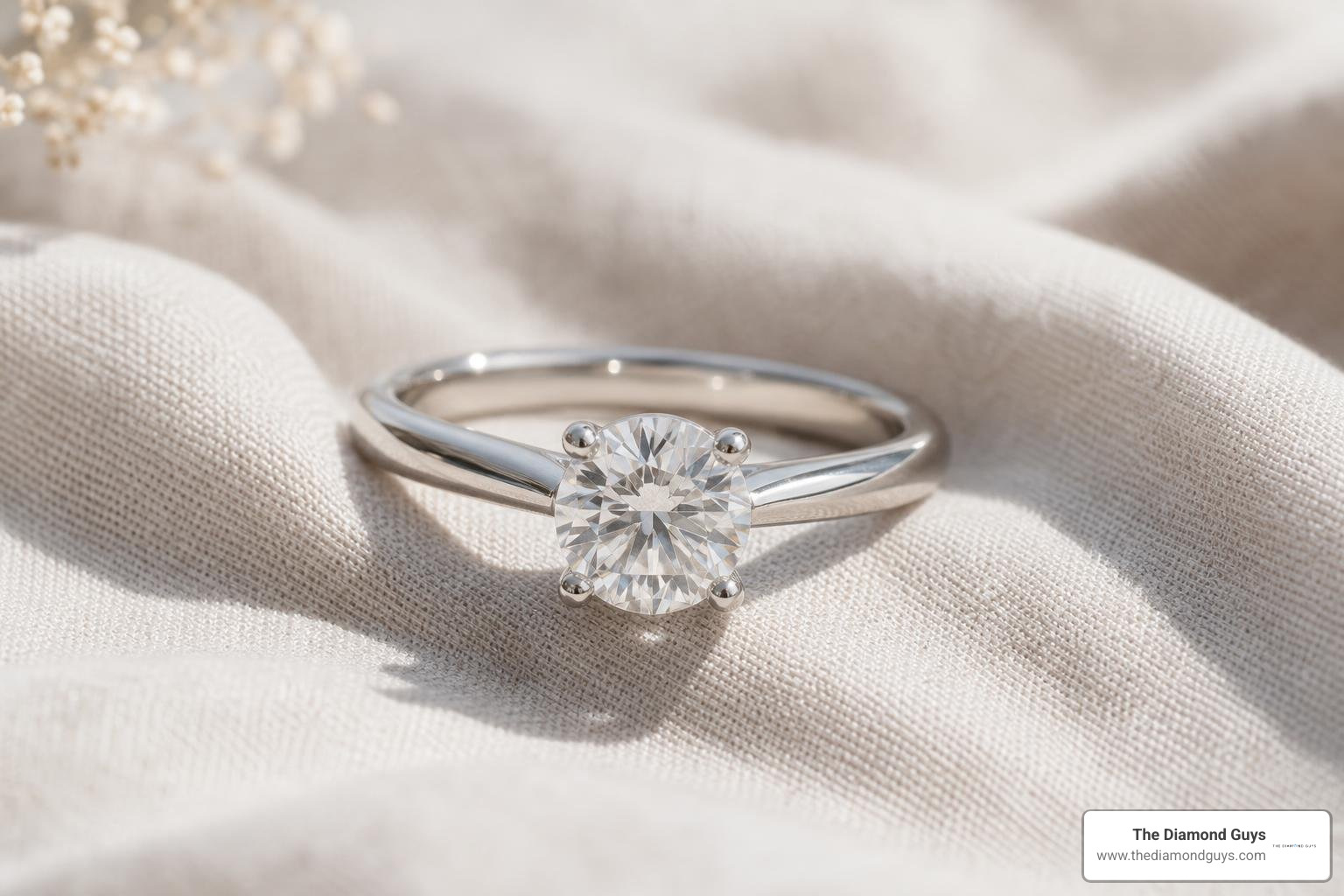
If you're comparing options, here are the best natural diamond engagement rings styles worth considering in 2026:
- Round Brilliant Solitaire - Timeless, maximum sparkle, most popular choice
- Oval Cut Halo - Elongates the finger, romantic and modern
- Emerald Cut Three-Stone - Elegant, vintage-inspired, bold statement
- Cushion Cut Pavé Band - Soft shape with extra brilliance along the band
- Pear Shape Bezel - Unique, contemporary, and protective setting
A natural diamond isn't just a gemstone. It's a piece of the earth formed over billions of years — and that story is part of what makes it so meaningful as an engagement ring.
In 2026, couples still choose natural diamonds for reasons that go beyond trends. Heirloom value. Rarity. Resale potential. And the simple fact that no two natural diamonds are exactly alike.
But with so many shapes, settings, certifications, and price points to navigate, choosing the right ring can feel overwhelming fast.
That's exactly why this guide exists. We'll cut through the noise and help you find a ring that fits your partner, your values, and your budget — without the pressure.
My name is Morgan Price, and I've spent years researching the jewelry industry, helping buyers find the best natural diamond engagement rings through careful analysis of quality, ethics, and long-term value. With that background, I'll walk you through everything you need to make a confident, informed decision.
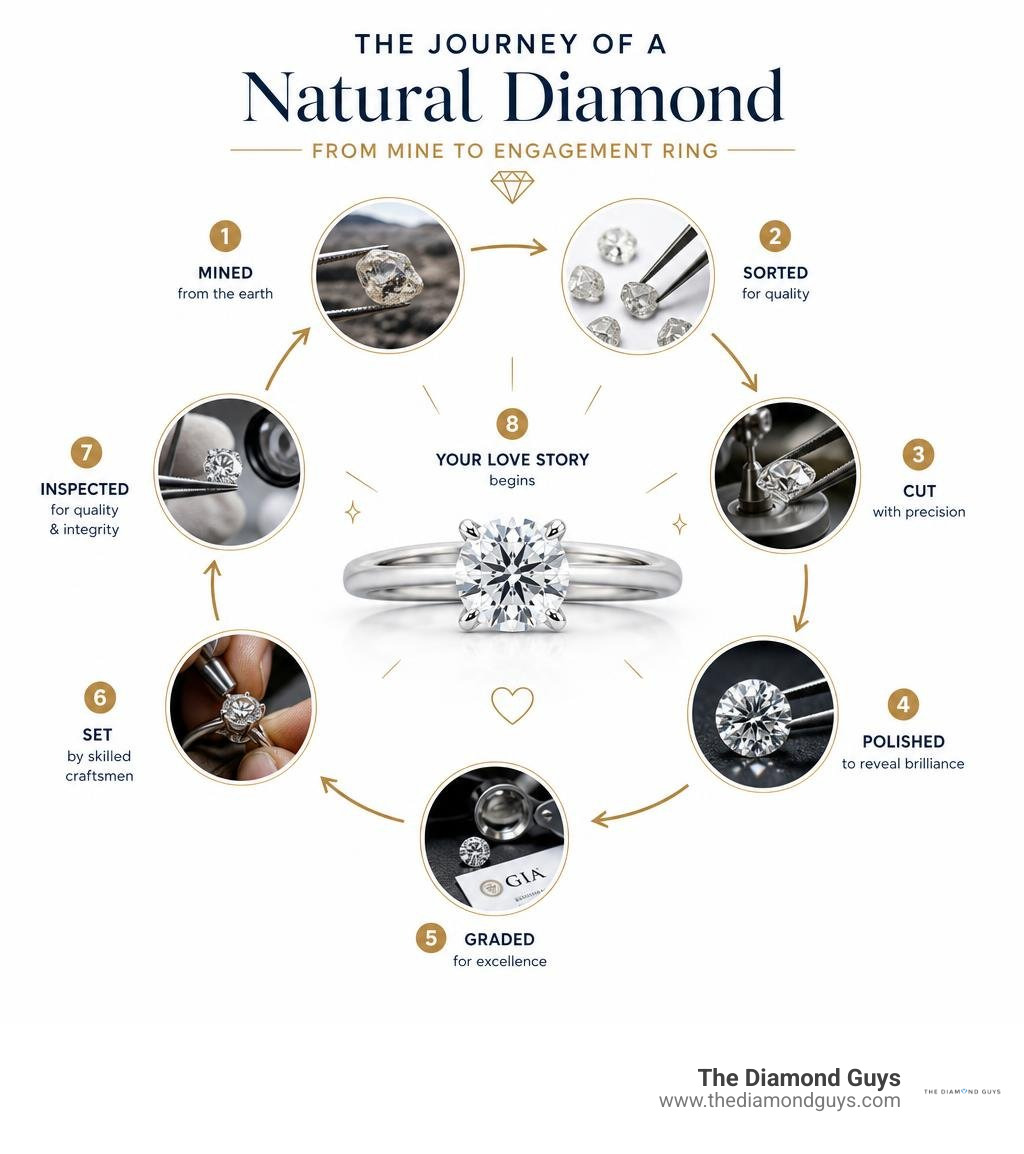
Why Choose the Best Natural Diamond Engagement Rings?
When you embark on the journey of finding the perfect ring, you will quickly find yourself at a crossroads: natural or lab-grown? While lab-created options have grown in popularity for budget-conscious buyers, natural diamonds continue to hold a special, unmatched allure.
The primary reason many couples search for the best natural diamond engagement rings is their profound sense of rarity and history. Every natural diamond was forged between 1 to 3 billion years ago under intense heat and pressure deep within the Earth's mantle. This makes them older than some stars, surviving volcanic eruptions to eventually reach the surface. When you slip a natural diamond onto your partner's finger, you are gifting them a literal piece of Earth’s ancient history.
Beyond the romantic sentiment, natural diamonds hold tangible heirloom value. Because they are finite geological wonders, they retain a level of market value and resale potential that lab-grown diamonds simply cannot match. Over time, as manufacturing technology makes lab-grown diamonds cheaper and easier to mass-produce, their market value continues to decline. Natural diamonds, however, remain a luxury commodity with a stable, long-term secondary market.
If you are wondering how your partner feels about this choice, you are not alone. Many buyers ask themselves whether their partner has a strong preference. Our deep dive into the topic, Do Women Prefer Natural Diamonds vs Lab Grown, shows that the emotional connection to a "real, mined diamond" still carries immense weight for many brides-to-be.
To help you visualize the key differences, here is a quick comparison:
| Feature | Natural Diamonds | Lab-Grown Diamonds |
|---|---|---|
| Origin | Formed deep within the Earth over billions of years | Created in a factory setting over a few weeks |
| Rarity | Highly limited and finite natural resource | Unlimited supply; can be mass-produced |
| Value Retention | Retains strong resale and heirloom value | Low resale value due to falling production costs |
| Uniqueness | Each stone possesses unique natural characteristics | Highly uniform and chemically identical |
| Durability | 10/10 on the Mohs scale (scratch-resistant) | 10/10 on the Mohs scale (scratch-resistant) |
Choosing a natural diamond is an investment in something truly rare. It is a symbol of a love that is enduring, unique, and built to stand the test of time.
Key Factors to Consider When Buying a Natural Diamond
Shopping for a diamond doesn't require a degree in geology, but understanding the fundamentals will save you from overpaying. The universal language of diamond quality is defined by the "4Cs"—Cut, Color, Clarity, and Carat weight.
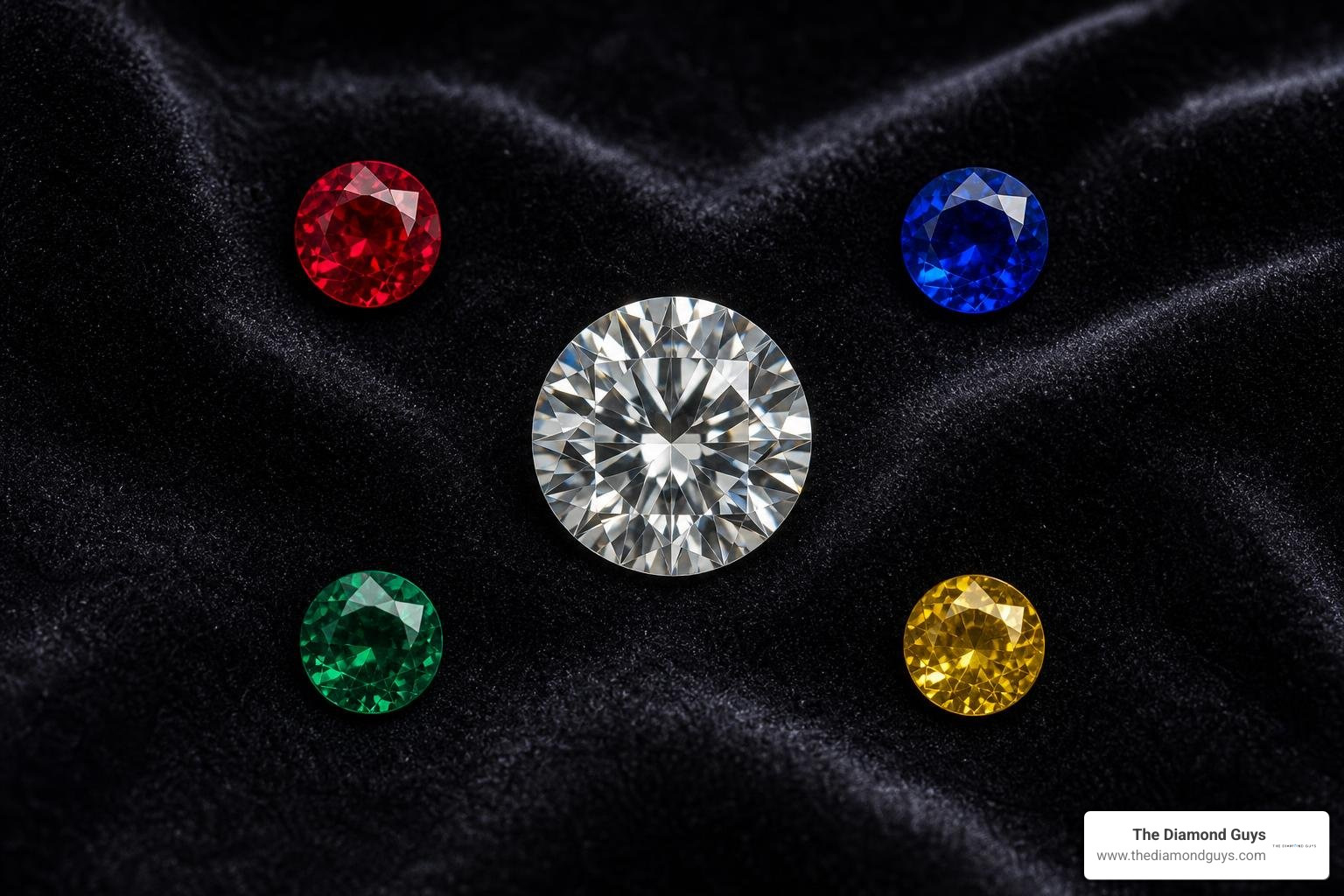
Let's break down how to navigate these factors to get the most beautiful stone for your budget:
1. Diamond Cut: The Engine of Sparkle
The cut of a diamond is the single most important factor determining its beauty. Even a flawless, color-free diamond will look dull and lifeless if it is poorly cut. The cut refers to how well the diamond’s facets interact with light. A high-quality cut maximizes light reflection, creating that breathtaking fire and brilliance.
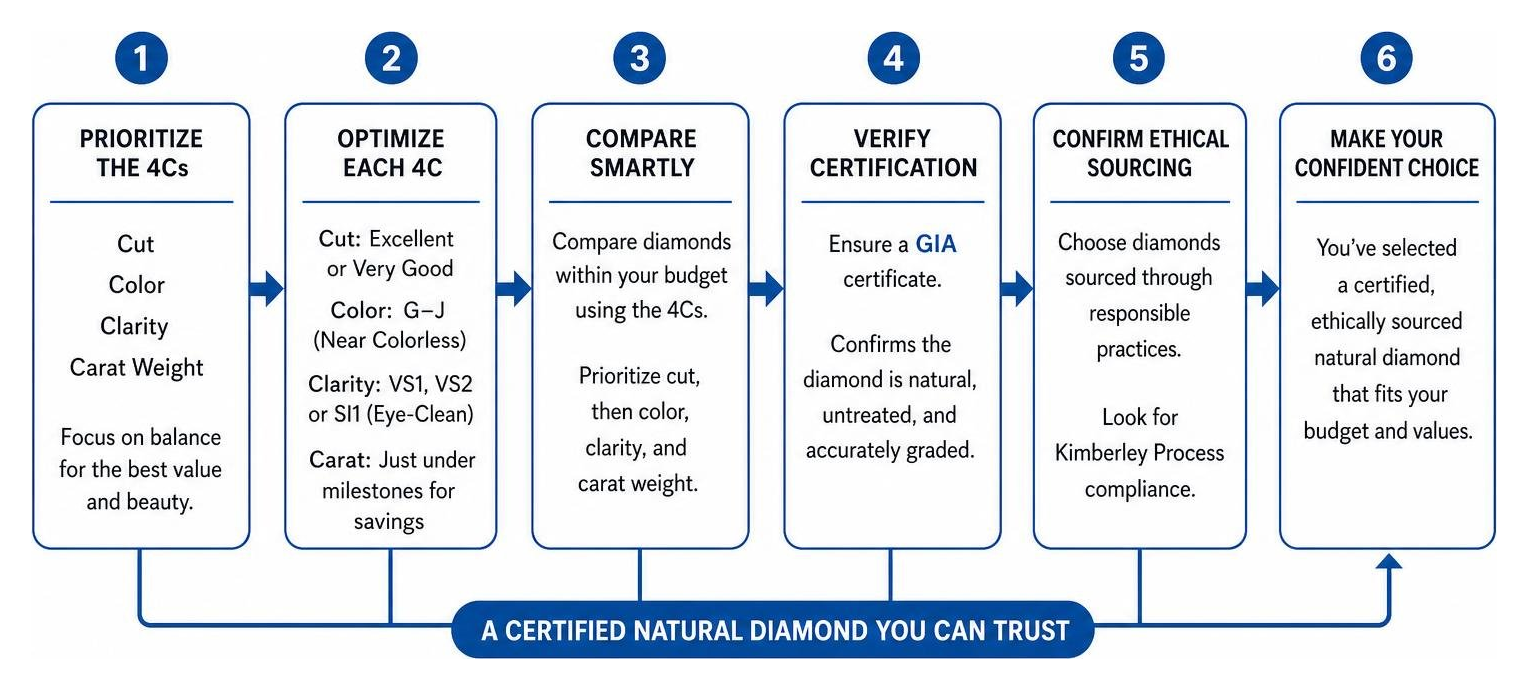
For the ultimate sparkle, look for a cut grade of "Excellent" or "Very Good." If you want to dive deeper into how cut grades affect performance, you can read GIA's guide to the 4Cs.
2. Diamond Color: Finding the Sweet Spot
In white diamonds, color actually refers to the absence of color. The GIA grades diamond color on a scale from D (completely colorless) to Z (light yellow or brown).
- D-F (Colorless): Stunning but carries a premium price tag.
- G-J (Near Colorless): This is the sweet spot for budget optimization. To the untrained eye, these diamonds look completely white when set in a ring, but they cost significantly less than colorless stones.
3. Diamond Clarity: Eye-Clean is Key
Clarity measures the natural imperfections inside the stone (inclusions) and on its surface (blemishes). The scale ranges from Flawless (FL) to Included (I). You do not need to buy a flawless diamond to have a gorgeous ring. Instead, aim for an "eye-clean" diamond—usually found in the VS1, VS2, or SI1 ranges. These stones have tiny inclusions that can only be seen under 10x magnification, meaning they look perfect to your partner's naked eye.
4. Carat Weight: Size vs. Appearance
Carat is a measure of the diamond’s physical weight, not its physical size. Two diamonds of the same carat weight can look different in size depending on how they are cut. To maximize your budget, consider buying just under popular milestones (e.g., a 0.90-carat diamond instead of a full 1.0-carat stone). The visual difference is practically imperceptible, but the price savings can be substantial.
Certification and Ethical Sourcing
Never buy a natural diamond without a grading report from a reputable, independent laboratory—ideally the Gemological Institute of America (GIA). A GIA certificate guarantees that your diamond is natural, untreated, and accurately graded.
Furthermore, ethical sourcing is paramount. Today's natural diamond industry is strictly regulated by the Kimberley Process to ensure diamonds are conflict-free. Modern natural diamond mining also supports local communities by providing fair wages, healthcare, and education in developing nations.
For an in-depth, step-by-step roadmap on how to navigate these decisions, check out our Ultimate Diamond Engagement Rings Guide Scottsdale and learn How to Start Engagement Ring Shopping with confidence.
Top Trends: Best Natural Diamond Engagement Rings Styles for 2026
Jewelry design in 2026 is all about blending classic romance with modern, personalized touches. Couples are moving away from cookie-cutter designs and opting for custom rings that reflect their unique love stories.
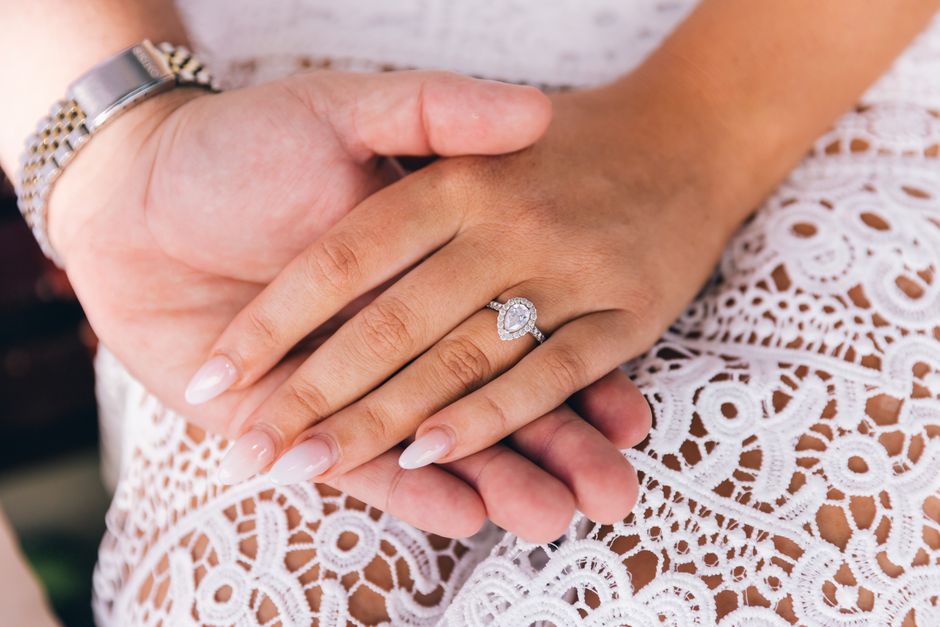
Popular Shapes for the Best Natural Diamond Engagement Rings
The shape of the diamond defines the overall personality of the ring. Here are the top shapes dominating the bridal scene in 2026:
- Round Brilliant: The undisputed king of sparkle. Its 58 facets are scientifically designed to reflect the maximum amount of light. It is timeless, traditional, and incredibly versatile.
- Oval Cut: A massive favorite in 2026. The elongated shape of an oval diamond flatters the hand by making the wearer’s fingers look longer and more slender. It also has a larger surface area than a round diamond of the same carat weight, giving you more visual "bang for your buck."
- Emerald Cut: For the lover of vintage elegance. This step-cut shape features long, parallel facets that create a "hall-of-mirrors" effect. It prioritizes clarity and sleek lines over raw sparkle.
- Pear Shape: Often called the teardrop, this shape is unique and dramatic. Worn with the point facing toward the fingernail, it creates an elegant, elongating effect.
- Cushion Cut: With rounded corners and soft edges, the cushion cut is a romantic blend of the round brilliant and the square princess cut. It is known for its incredible "fire" (the rainbow-colored light flashes it reflects).
Trending Settings for the Best Natural Diamond Engagement Rings
A stunning diamond needs the perfect home. These are the settings couples are falling in love with this year:
- Solitaire Setting: The ultimate classic. A single natural diamond sits center stage on a plain metal band. It puts 100% of the focus on the beauty of your stone.
- Halo Setting: A ring of smaller diamonds encircles the center stone. This not only adds intense sparkle but also makes the center diamond look significantly larger than it actually is.
- Three-Stone Ring: Symbolizing a couple's past, present, and future, this setting is incredibly romantic. It often pairs a larger center stone with unique side stones, like tapered baguettes or pears.
- Bezel Setting: A modern, sleek choice where a thin metal rim completely surrounds the edge of the diamond. It is highly protective, making it perfect for partners with active lifestyles or hands-on careers.
- Pavé Band: The band of the ring is encrusted with tiny, brilliant-cut diamonds, creating a continuous line of shimmer that complements the center stone.
Frequently Asked Questions About Natural Diamond Rings
Navigating fine jewelry naturally brings up a lot of questions. Here are the answers to the most common questions buyers ask when searching for the perfect ring.
How do I verify if a natural diamond is real?
The most reliable way to verify a diamond’s authenticity is through a GIA grading report. Most modern natural diamonds have a microscopic laser inscription on their girdle that matches the number on their GIA certificate. A professional jeweler can show you this inscription under a microscope.
Additionally, professional appraisers use specialized tools like thermal and electrical conductivity meters to instantly verify that a stone is a natural diamond rather than a stimulant like cubic zirconia or moissanite.
How should I clean and maintain my natural diamond ring?
Diamonds are natural grease magnets, meaning oils from skin, lotions, and soaps will quickly dull their sparkle. To keep your ring looking brand new:
- Soak the ring in a bowl of warm water mixed with a few drops of mild dish soap for 20 to 30 minutes.
- Use a soft-bristled toothbrush to gently scrub away dirt, paying close attention to the underside of the diamond where dirt accumulates.
- Rinse thoroughly under warm running water (make sure the sink drain is closed!) and dry with a soft, lint-free cloth.
We also recommend taking your ring to a professional jeweler once or twice a year for a deep cleaning and a safety check to ensure the prongs are still tight and secure.
Where is the best place to buy a natural diamond engagement ring?
While big-box retailers offer convenience, they often lack the personalization, custom design capabilities, and competitive pricing of independent specialists. Working with a dedicated custom jeweler ensures you get a hand-selected stone that meets your exact specifications.
If you are in the Southwest, consulting with local experts who understand the nuances of diamond sourcing is invaluable. For those in Arizona, you can connect directly with our team of Natural Diamond Experts Scottsdale to begin your custom design journey.
Conclusion
Finding the perfect engagement ring is a beautiful milestone, representing a lifelong promise. While trends come and go, the timeless elegance, historical depth, and enduring value of a natural diamond make it a choice you and your partner will cherish forever.
At The Diamond Guys, we pride ourselves on offering a personalized, stress-free shopping experience across our Scottsdale, AZ, and Los Angeles, CA locations. We steer clear of high-pressure sales tactics, focusing instead on expert guidance, honest education, and ethical sourcing to help you design a custom ring that perfectly captures your love.
Ready to explore your options? Dive into our Natural Diamond Jewelry Complete Guide to learn more, or schedule a personalized consultation with us today to start crafting the ring of your dreams.


