

A Cut Above: Complete Breakdown of Cultured Diamonds Price
Understanding Cultured Diamonds Price Trends in 2026
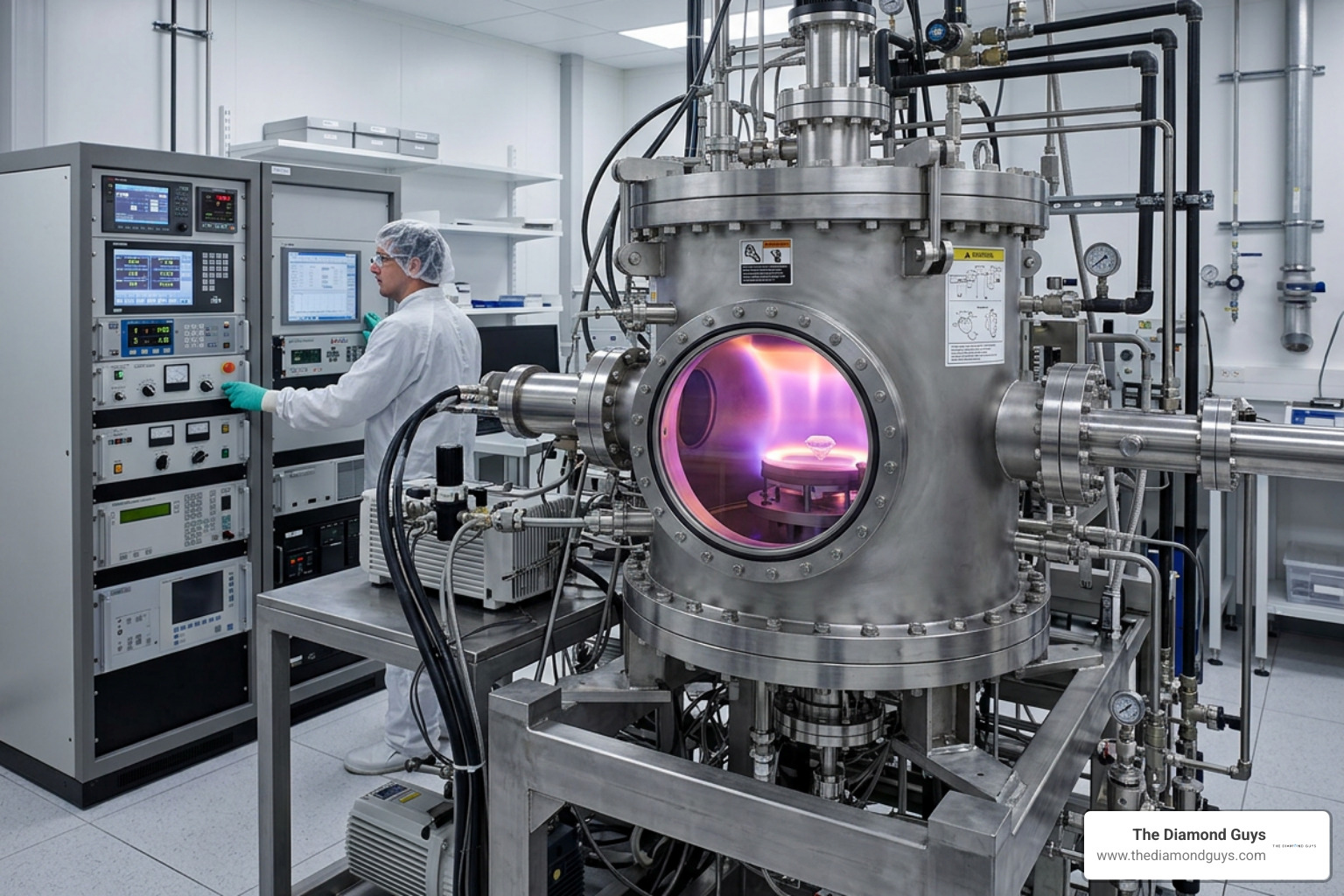
The market for cultured diamonds has experienced a dramatic shift. If you looked at purchasing a lab-grown diamond just two years ago, a high-quality 1-carat stone might have set you back around $2,000. Fast forward to 2026, and that exact same diamond quality can easily be found for under $600.
This pricing deflation is not a sign of declining quality; rather, it reflects a fundamental change in how cultured diamonds are created and brought to market. As diamond-growing technology has matured, the costs associated with producing these stones have plummeted. Understanding these market trends is essential for anyone looking to make a smart purchase without overpaying.
Why Production Costs Drive Cultured Diamonds Price Down
The primary driver behind the falling cultured diamonds price is the evolution of Chemical Vapor Deposition (CVD) technology. Modern CVD reactors can now grow multiple gem-quality diamonds in a matter of days rather than weeks.
This dramatic increase in manufacturing scalability means that the supply of lab-grown diamonds is virtually unlimited. Unlike natural mined diamonds, which require extensive subterranean mining operations and are subject to finite natural reserves, cultured diamonds benefit from standard manufacturing efficiencies. As production yields improve and energy inputs become more efficient, the wholesale cost per carat continues to drop, directly benefiting the end consumer.
Technology Purchase vs Rare Treasure
Because of this manufacturing model, it is far more accurate to view a cultured diamond as a technology product—much like a flat-screen television or a smartphone—rather than a traditional, ultra-rare treasure. When you buy a TV, you expect to get superior specs and higher performance for a lower price as time goes on and manufacturing scales up. The same economic principle applies here.
Recognizing this reality helps reframe your purchasing strategy. Instead of viewing a lab diamond as a speculative store of monetary value or an investment asset, treat it as a beautiful, high-tech piece of fine jewelry. You want to pay the lowest possible price for the highest visual performance, avoiding inflated markups that treat manufactured stones as if they were scarce natural relics. If you are weighing whether this fits your personal lifestyle and values, read our guide on Should You Buy A Lab Grown Diamond to explore the benefits and trade-offs.
Quality Factors: Specs, Certification, and Value
While production efficiency sets the baseline for the market, individual stone quality still causes variations in the cultured diamonds price. To avoid wasting money, you need to know which diamond specifications impact the visual appearance of the stone and which ones merely inflate the digital invoice.
Finding the Specs Sweet Spot
When evaluating a diamond’s 4 Cs—Cut, Color, Clarity, and Carat—there is a distinct "sweet spot" that yields maximum visual impact for minimal outlay:
- Cut: Excellent or Ideal (Never compromise here; cut determines the brilliance and sparkle).
- Color: G or H (Looks completely colorless once set in precious metal).
- Clarity: VS2 (Consistently provides an eye-clean appearance without paying for invisible purity).
- Certification: IGI or GIA.
By prioritizing these balanced specifications, you avoid paying exponential premiums for rare grades that offer zero visible benefit to the naked eye. To learn more about how cultured stones mirror the exact physical attributes of earth-mined gems, explore our article on Are Lab Grown Diamonds Real Diamonds.
Eye-Clean Clarity vs Premium Grades
In diamond terminology, "eye-clean" means that the stone contains no inclusions or blemishes that are visible to the naked eye when viewed from a normal distance (about 8 to 12 inches) without magnification.
Many buyers make the mistake of hunting for top-tier clarity grades like VVS1 or Flawless, along with D Color. However, placing a D Color / VVS1 Clarity diamond directly next to a G Color / VS2 Clarity diamond reveals something surprising: to the naked eye, they look virtually identical.
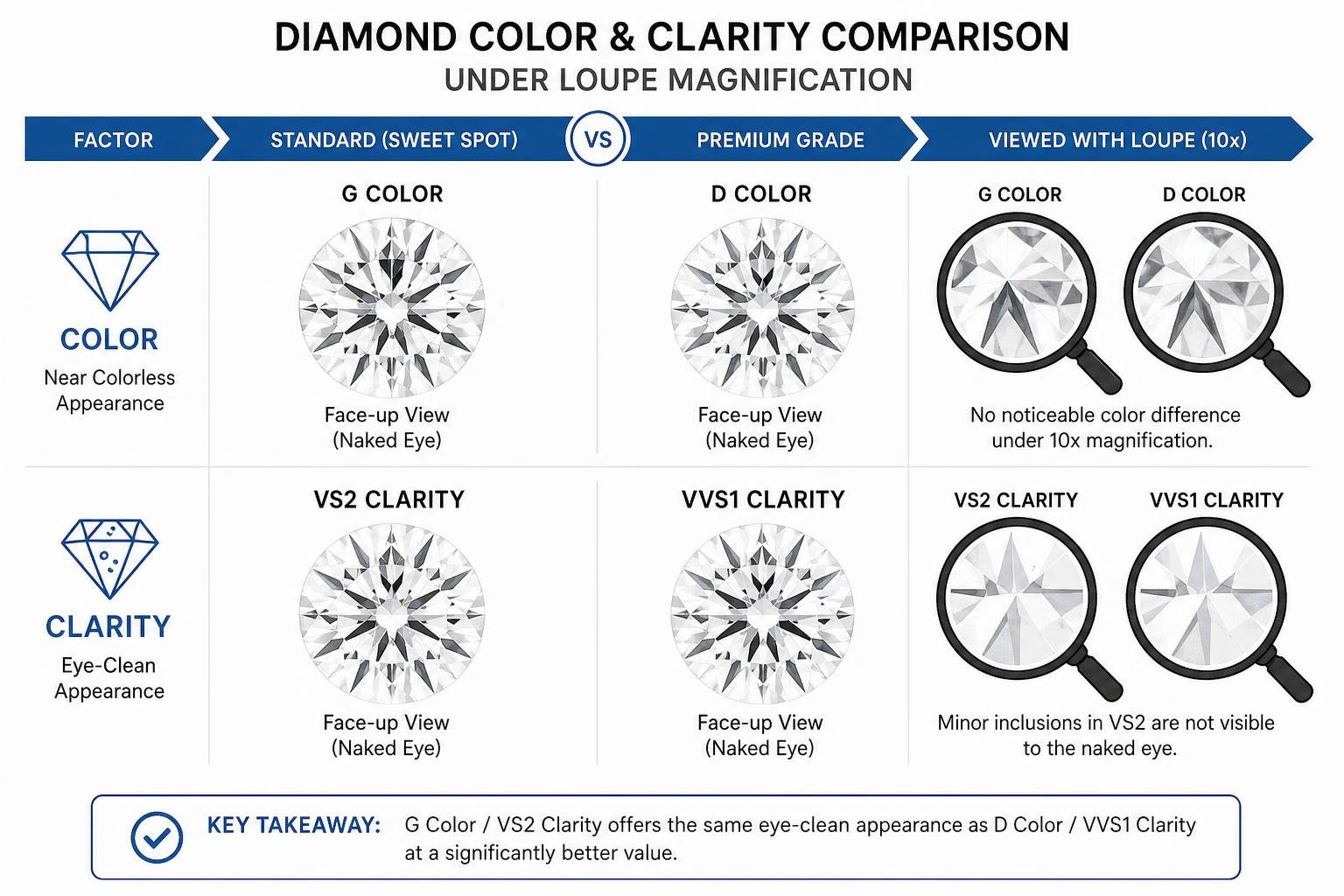
Despite their identical visual presentation, the price gap between these two specification profiles is substantial—often around $1,000 or more for a 1.5 to 2-carat diamond. Paying a steep premium for high-tier technical specs that require a jeweler's loupe to detect is simply an unnecessary expense. For a deeper breakdown of how grading shifts pricing across various quality levels, consult our complete Synthetic Diamond Price Guide.
The Role of Certification
Never buy an uncertified cultured diamond. Independent grading reports from reputable agencies like the International Gemological Institute (IGI) or the Gemological Institute of America (GIA) are non-negotiable.
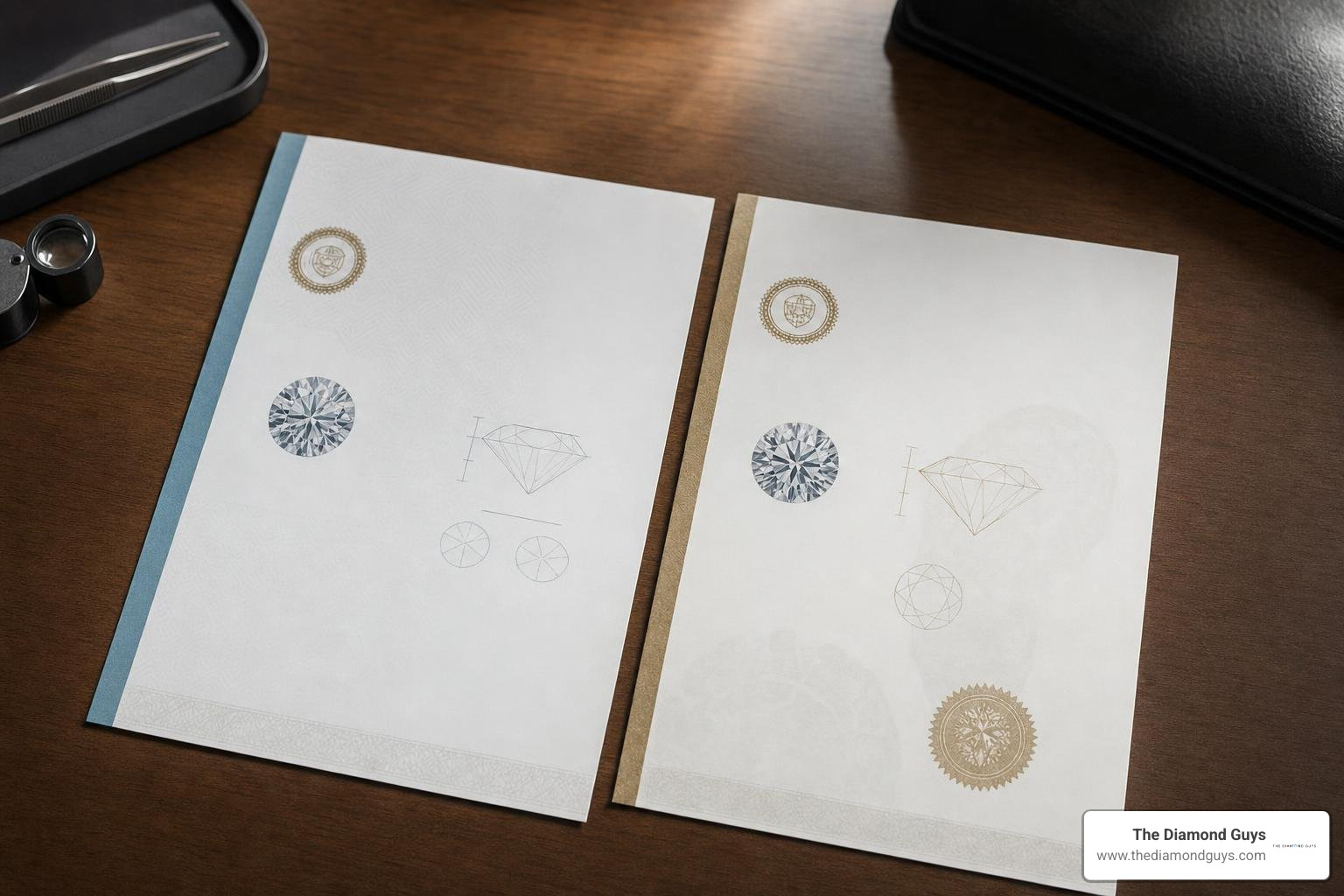
An independent certificate verifies that the stone was independently evaluated for its proportions, cut quality, color, and clarity. Because lab-grown diamond production can yield subtle color undertones or structural graining, a trusted certification ensures that you are paying for the exact grade listed and that the diamond's cut parameters will maximize sparkle.
Carat Weight and Retailer Pricing Secrets
As you scale up in carat weight, the cultured diamonds price increases, but not at the astronomical exponential rate seen in natural diamonds. Even so, where you choose to purchase your stone matters just as much as the weight you select.
The table below highlights typical 2026 price expectations across common carat weights, contrasting fair market value with inflated retail markups:
| Carat Weight | "Good Deal" Benchmark Price | Fair Online Retail Price | Overpriced "Mall Jeweler" Pricing |
|---|---|---|---|
| 1.00 Carat | $400 – $600 | $800 | $1,500+ |
| 1.50 Carats | $700 – $1,000 | $1,500 | $2,800+ |
| 2.00 Carats | $1,200 – $1,800 | $2,200 | $4,000+ |
| 3.00 Carats | $2,500 – $3,500 | $4,500 | $8,000+ |
How Carat Weight and Shape Impact Cultured Diamonds Price
As shown in the table, moving from a 1-carat stone to a 2-carat stone does not quadruple the price in the lab diamond sector; instead, it scales in a relatively predictable fashion. For precise pricing schedules on single-carat stones, check out our 1 Carat Man Made Diamond Price Guide, or review broader market shifts in our 2 Carat Diamond Price Guide 2026.
Another effective way to stretch your budget is by opting for fancy shape diamonds—such as Oval, Pear, Emerald, Radiant, or Princess cuts.
Fancy shapes are typically 10% to 15% lower in price than Round Brilliant cuts of the exact same carat weight and quality grade. This price difference exists because cutting a round brilliant diamond results in greater rough material waste during the manufacturing process, whereas fancy cuts retain a larger percentage of the original cultured rough crystal.
Where to Buy and Retailer Pitfalls
The retail channel you choose has a massive impact on your total cost. Traditional brick-and-mortar mall chain jewelers frequently mark up lab-grown diamonds by 300% or more compared to direct-to-consumer outlets and specialist custom jewelers.
Why do traditional mall stores charge such high prices?
- High Overhead: Massive rent fees in shopping malls and heavy national advertising budgets.
- Protecting Natural Diamond Inventories: Marking up lab diamonds keeps their price artificially close to natural diamonds, discouraging buyers from abandoning high-margin natural inventory.
To ensure you are getting an honest price, look for direct-to-consumer aggregators or dedicated custom jewelers who offer transparent pricing model practices. To see how setting styles interact with center stone pricing, take a look at our Lab Created Diamond Engagement Ring Guide 2026.
Frequently Asked Questions About Cultured Diamonds Price
What is the average 2026 price for a 1 carat lab diamond?
In 2026, a competitive "good deal" price for an eye-clean, well-cut 1-carat round cultured diamond with IGI or GIA certification falls between $400 and $600. Fair online retail pricing averages around $800, whereas traditional mall retailers may charge $1,500 or more for an equivalent stone.
Why are fancy shape lab diamonds cheaper than round cuts?
Fancy shapes (such as oval, emerald, and pear) are roughly 10% to 15% less expensive than round brilliant cuts because their cutting process wastes less of the original lab-grown rough crystal, resulting in higher production efficiency.
Are lab diamonds bad investment purchases?
Cultured diamonds should not be purchased as financial investments or expected to hold resale equity. Because continuous technological advances drive down production costs and expand supply, you should view a cultured diamond as a fine consumer good—purchased for its beauty, physical durability, and personal significance rather than future financial yield.
Conclusion
Navigating the market for cultured diamonds in 2026 comes down to understanding the technology and refusing to pay outdated retail markups. By targeting sweet-spot specifications—G or H color, VS2 eye-clean clarity, an Excellent or Ideal cut, and certified verification—you can secure a magnificent diamond at a fraction of historic costs.
At The Diamond Guys, located in Scottsdale, AZ, and Los Angeles, CA, we specialize in custom engagement rings, natural diamonds, and carefully selected lab-grown stones. Our USP centers on expert guidance, ethical sourcing, and a deeply personalized shopping experience that shields you from big-box store markups. Whether you are looking for a tailored custom setting or need help hand-selecting a center stone, we are here to guide you every step of the way.
Ready to compare stone options or start designing your ring? Learn more about the core differences between diamond origins by checking out our comprehensive guide on Lab Diamonds vs Real Diamonds.


