

1 Carat Lab Solitaire and Radiant Cut Rings That Won't Break the Bank
Why a Lab Created Diamond Engagement Ring White Gold Is the Smart Choice in 2026
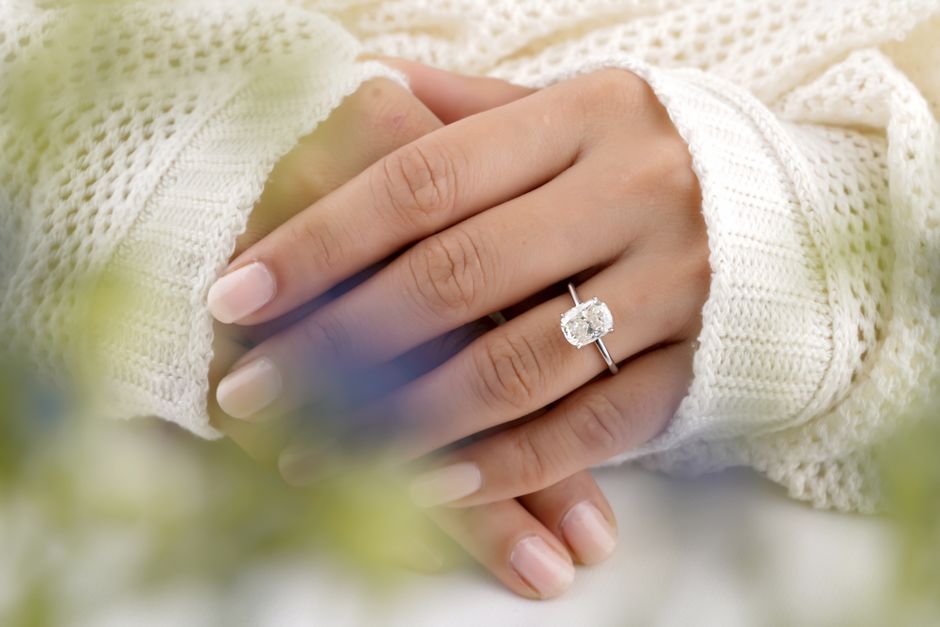
Lab created diamond engagement ring white gold combinations are one of the most popular choices for couples right now — and for good reason. You get the same brilliance as a mined diamond, in a setting that looks clean and modern, at a fraction of the price.
Here's a quick summary of what you need to know:
| Feature | Details |
|---|---|
| Diamond quality | Identical optical, chemical, and physical properties to mined diamonds |
| Starting price | From ~$700 (setting only) to $1,000+ for complete rings |
| Best metal options | 14K or 18K white gold |
| Popular styles | Solitaire, halo, radiant cut, three-stone |
| Certifications | Look for IGI-certified stones (e.g., F/VS2 or G/VS1) |
| Key benefit | Up to 60–70% less than comparable natural diamond rings |
Lab-grown diamonds aren't imitations. They are real diamonds — grown in a controlled environment rather than mined from the earth. Paired with white gold, they offer a bright, timeless look that suits every style.
The demand for these rings has surged in 2026, driven by buyers who want maximum brilliance without the ethical concerns or high price tag tied to traditional mining.
I'm Morgan Price, a jewelry research and outreach specialist with deep expertise in lab created diamond engagement ring white gold options — from evaluating certifications to comparing retailers and settings. In this roundup, I'll walk you through the best 1 carat solitaire and radiant cut picks that deliver real value without compromise.
The Rise of the Lab Created Diamond Engagement Ring White Gold
As we move through 2026, the shift toward lab-grown diamonds has become a full-blown revolution. But why are so many couples in Scottsdale and Phoenix choosing a lab created diamond engagement ring white gold? It starts with the science.
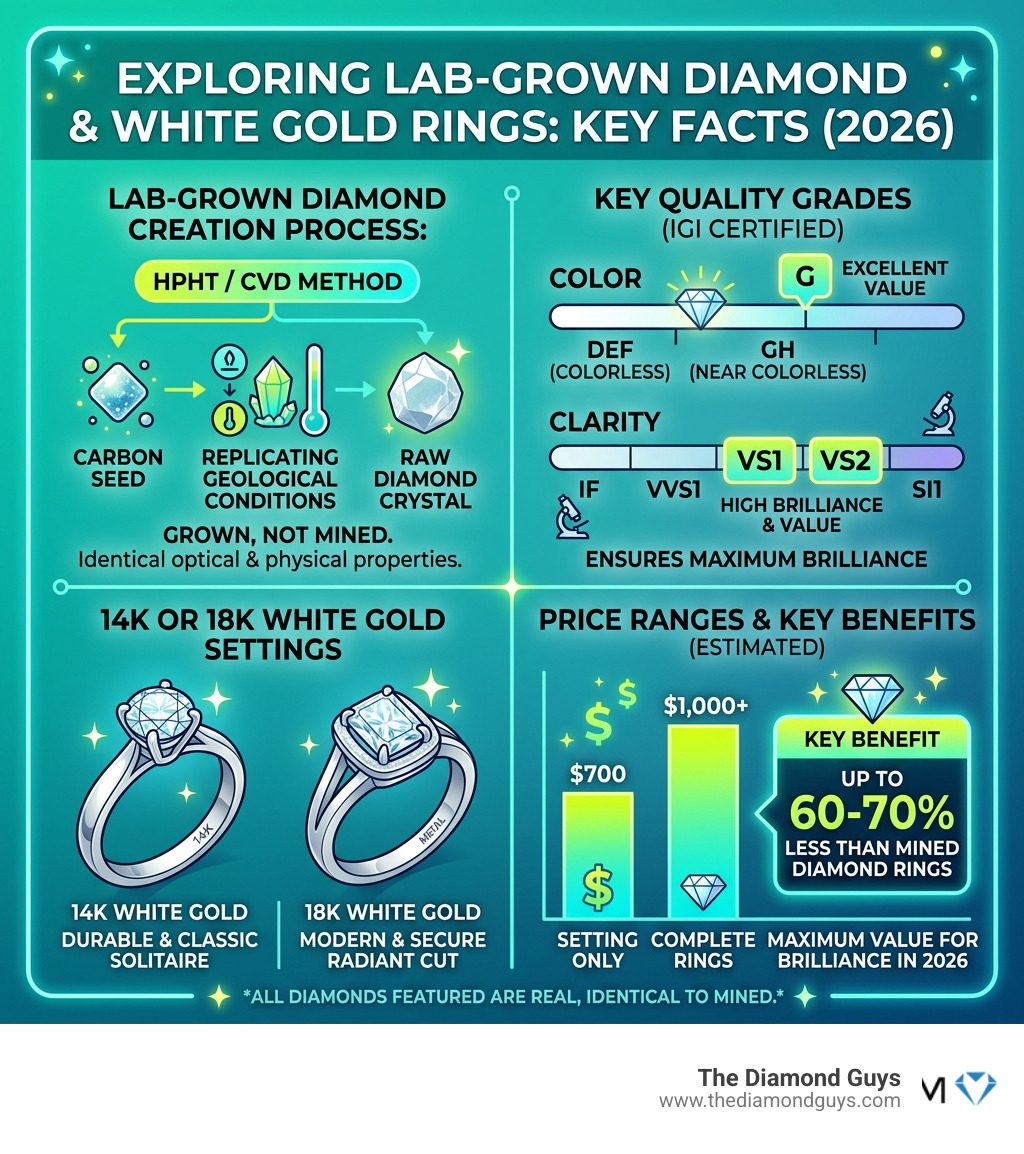
First and foremost, are lab grown diamonds real diamonds? The answer is a resounding yes. They possess the exact same chemical identity, physical properties, and optical performance as stones pulled from the ground. When you look at lab diamonds vs real diamonds, you aren't looking at a difference in quality, but a difference in origin. One is formed by geological pressure over billions of years, while the other is created in a lab using High Pressure-High Temperature (HPHT) or Chemical Vapor Deposition (CVD) methods that replicate those exact conditions in a matter of weeks.
The environmental and ethical impact is another massive driver. Many of our clients ask, "should I buy a lab grown diamond engagement ring?" If sustainability is a priority, the answer is often yes. Lab-grown diamonds require significantly less land disturbance and have a much smaller carbon footprint. Furthermore, they are inherently conflict-free.
Are lab grown diamonds popular in 2026? Absolutely. They have moved from a "niche alternative" to a mainstream favorite. In fact, many retailers now report that lab-grown options make up the majority of their engagement ring sales, especially when paired with the crisp, cool tones of white gold.
Popular Styles: 1 Carat Solitaire and Radiant Cut Rings
When it comes to a lab created diamond engagement ring white gold, two styles currently dominate the market: the classic solitaire and the modern radiant cut.
The Classic Solitaire
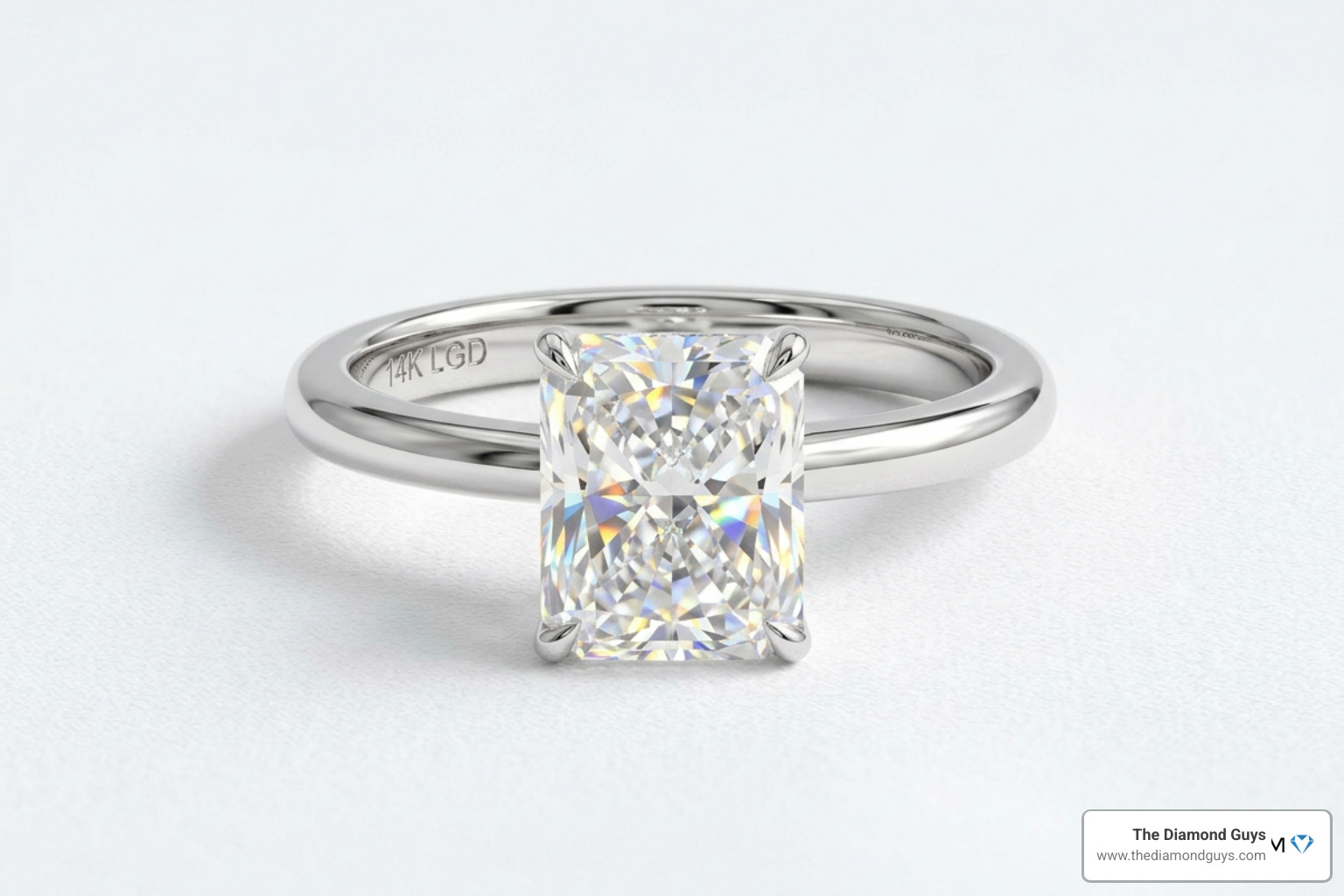
The 1-carat solitaire remains the gold standard for elegance. Its simplicity allows the stone to take center stage. But what exactly makes a lab grown solitaire shine? It’s all about the light return. In a white gold setting, the metal acts like a mirror, enhancing the diamond's natural "fire." We see many couples opting for a 1.00 CT Princess Cut or Round Brilliant in 14K white gold, which can often be found for under $1,000 for the complete ring.
The Radiant Cut
If you want maximum sparkle, the radiant cut is your best friend. It combines the elegant silhouette of an emerald cut with the brilliant facet pattern of a round diamond. Radiant cuts are particularly stunning in white gold because the cool metal complements the icy flashes of light the cut produces.
Modern Design Trends
In 2026, we are seeing a resurgence of vintage-inspired and intricate designs:
- Hidden Halos: A tiny circle of diamonds sits just beneath the center stone, visible only from the side.
- Art Deco Influence: Geometric shapes and milgrain detailing are making a huge comeback.
- Toi et Moi: The "You and Me" style featuring two contrasting stones (like a pear and a radiant) is a high-fashion choice. If you're interested in unique shapes, check out our guide to buying pear lab diamonds.
- Split Shank Designs: These create a wider, more dramatic profile on the finger, often paired with a halo for an "Art Deco" glamour feel.
Customizing Your Lab Created Diamond Engagement Ring White Gold
One of the best parts of choosing a lab-grown diamond is that the cost savings allow you to put more of your budget into a custom setting. Our custom engagement rings guide highlights how you can tailor every detail to your partner’s personality.
When selecting your metal, you’ll typically choose between 14K and 18K white gold. 14K is slightly more durable due to the higher percentage of alloy metals, while 18K has a richer feel. Both require rhodium plating—a thin layer of precious metal that gives white gold its signature bright white chrome-like finish.
| Property | 14K White Gold | 18K White Gold |
|---|---|---|
| Gold Content | 58.3% | 75% |
| Durability | Very High (Great for active lifestyles) | High (Slightly softer) |
| Color | Bright White (with Rhodium) | Bright White (with Rhodium) |
| Price | More Affordable | Premium |
Whether you are interested in lab diamond custom jewelry or want to start crafting your legacy with a one-of-a-kind design, white gold provides the perfect canvas. Don't forget personal touches like custom engravings, which many specialist jewelers now offer for free.
Quality and Value: The 4Cs of Lab-Grown Diamonds
Just like mined diamonds, the value of a lab created diamond engagement ring white gold is determined by the 4Cs: Carat, Color, Clarity, and Cut. However, because lab diamonds are grown in a controlled environment, you can often get much higher grades for your money.
For a comprehensive look, see our guide to comparing lab grown diamonds.
- Carat Weight: This is the size. In 2026, a 1-carat center stone is the "sweet spot" for value, but many couples are now jumping to 2 or 3 carats because the prices are so accessible.
- Color: For white gold, we recommend staying in the D-G range. White gold is very unforgiving of yellow tints, so a high color grade ensures your ring looks "icy" and bright.
- Clarity: Look for VS2 or higher. This ensures the diamond is "eye-clean," meaning you can't see any imperfections without a microscope.
- Cut: This is the most important "C." A "Triple Excellent" or "Ideal" cut will make a 1-carat diamond look larger and more brilliant than a poorly cut 1.5-carat stone.
The Importance of Certification
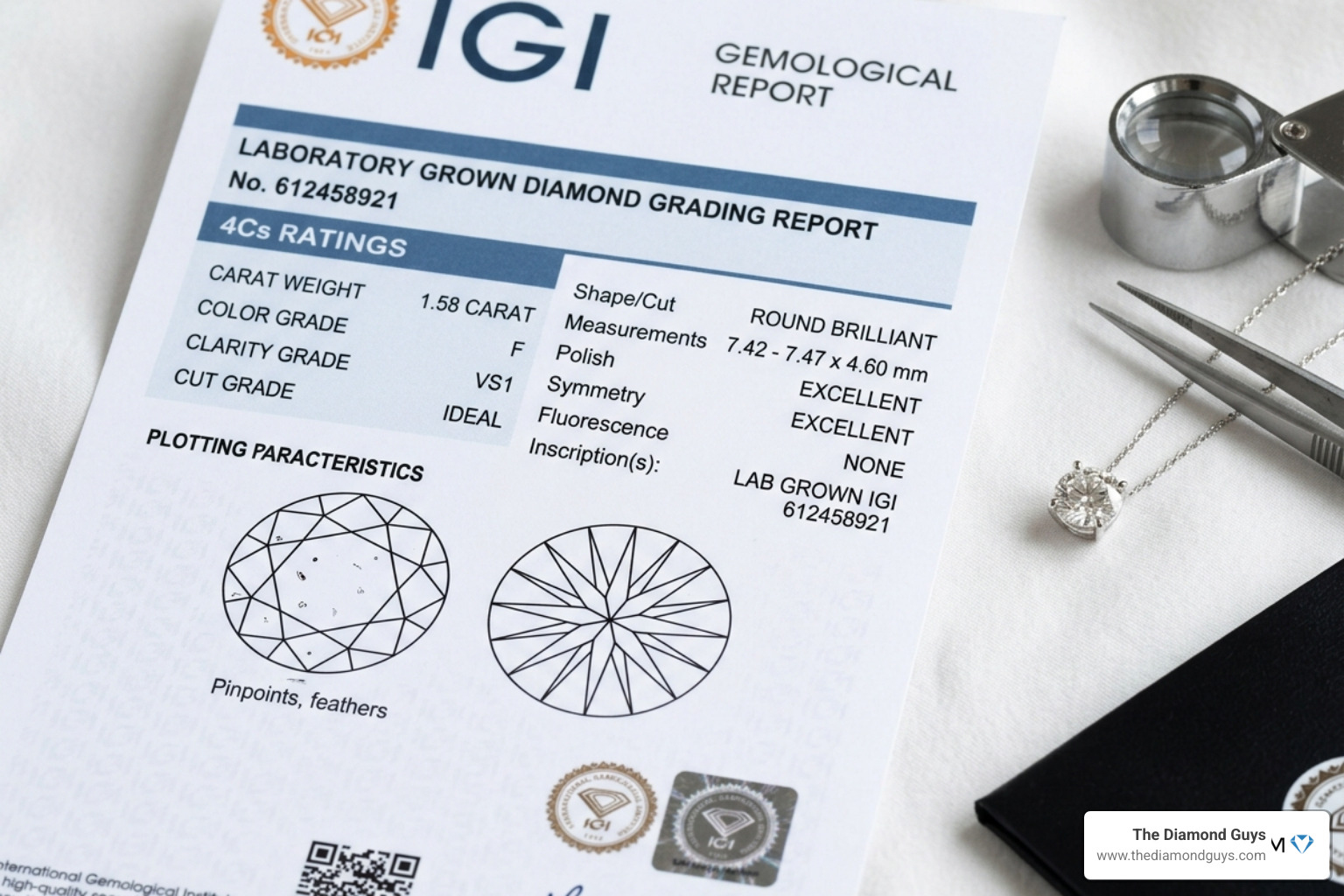
Never buy a lab diamond without a reputable grading report. The International Gemological Institute (IGI) is the industry leader for lab-grown stones. We’ve put together an ultimate IGI certified lab grown diamonds guide to help you understand these reports. Buying IGI certified lab diamonds ensures that the quality you’re paying for is exactly what you’re getting.
Selecting the Best Lab Created diamond engagement ring white gold
Budgeting for an engagement ring doesn't have to be stressful. In 2026, you can find high-quality 1-carat solitaire rings in white gold starting around $1,500, with some outlet options even lower. If you’re still wondering "should you buy a lab grown diamond," consider that you could save enough to fund a significant portion of your honeymoon!
When choosing where to buy, look for retailers that offer:
- Personalized Service: Avoid the "big box" feel. You want experts who can explain the nuances of each stone.
- Strong Warranties: A lifetime warranty is standard for reputable shops.
- Transparent Policies: Check the lab diamond jewelry store guide for tips on returns and resizing.
- Local Expertise: If you’re in the Arizona area, visit our Scottsdale showroom to see these stones in person. There is no substitute for seeing the sparkle with your own eyes.
Caring for Your White Gold Lab Diamond Ring
Once you have your dream lab created diamond engagement ring white gold, you’ll want to keep it sparkling.
Routine Maintenance
White gold requires a little more love than platinum. Over time, the rhodium plating will wear off, revealing the slightly yellowish natural hue of the gold underneath. Most people need to have their ring re-plated every 12 to 24 months.
Common Concerns
One common question is, "do lab grown diamonds get cloudy?" The answer is no. Just like natural diamonds, they do not change appearance over time. If your ring looks dull, it’s likely just a buildup of oils and lotions. A simple cleaning with warm water, mild dish soap, and a soft toothbrush usually does the trick.
Another fun fact: do lab grown diamonds glow in the dark? Some do! This is called fluorescence. While it doesn't affect the diamond's structure, it’s a unique characteristic that some buyers love.
In terms of strength, are lab grown diamonds as strong as real diamonds? Yes. They sit at a 10 on the Mohs scale, making them the hardest material on earth. They are perfectly suited for everyday wear and will last for generations.
Frequently Asked Questions
Do lab diamonds pass a diamond tester?
Yes, they do. Since lab-grown diamonds have the same thermal conductivity and chemical composition as mined diamonds, they will pass a standard diamond tester. Even most professional jewelers cannot tell the difference without specialized, high-end laboratory equipment. For more details, see our post on do lab diamonds pass a diamond tester and can a jeweler tell the difference.
Can you insure a lab-grown diamond ring?
Absolutely. You can insure a lab grown diamond just like any other piece of fine jewelry. Most insurance companies will cover them for their full replacement value. We highly recommend getting your ring appraised and insured immediately after purchase. For more information on coverage, check out can you insure lab grown diamonds.
How long have lab-grown diamonds been available?
While they feel like a new trend, the history of lab grown diamonds actually goes back several decades. The first lab-created diamonds were produced in the 1950s, though they were primarily for industrial use. It wasn't until more recently that technology evolved enough to create gem-quality stones for jewelry. If you’re a history buff, you can read more about when did lab grown diamonds start.
Conclusion
Choosing a lab created diamond engagement ring white gold is a decision that balances beauty, ethics, and financial savvy. In 2026, there is no longer a reason to overpay for a mined diamond when you can get an identical, high-quality stone that fits your budget and your values.
At The Diamond Guys, we pride ourselves on providing expert guidance to couples in Scottsdale, Phoenix, and beyond. Whether you are looking for a classic 1-carat solitaire or a custom-designed radiant cut masterpiece, we are here to ensure your shopping experience is as brilliant as the diamond you choose. Our commitment to ethical sourcing and personalized service sets us apart from the big-box retailers, ensuring you leave with a ring you'll love forever.
Ready to find your perfect match? Explore our full guide to lab-grown diamonds or visit us in-store to start your journey today.


