

Eco Lab Diamonds Offer Guilt-Free Sparkle Without the High Price Tag
Eco Lab Diamonds: Real Diamond Beauty With More Choice
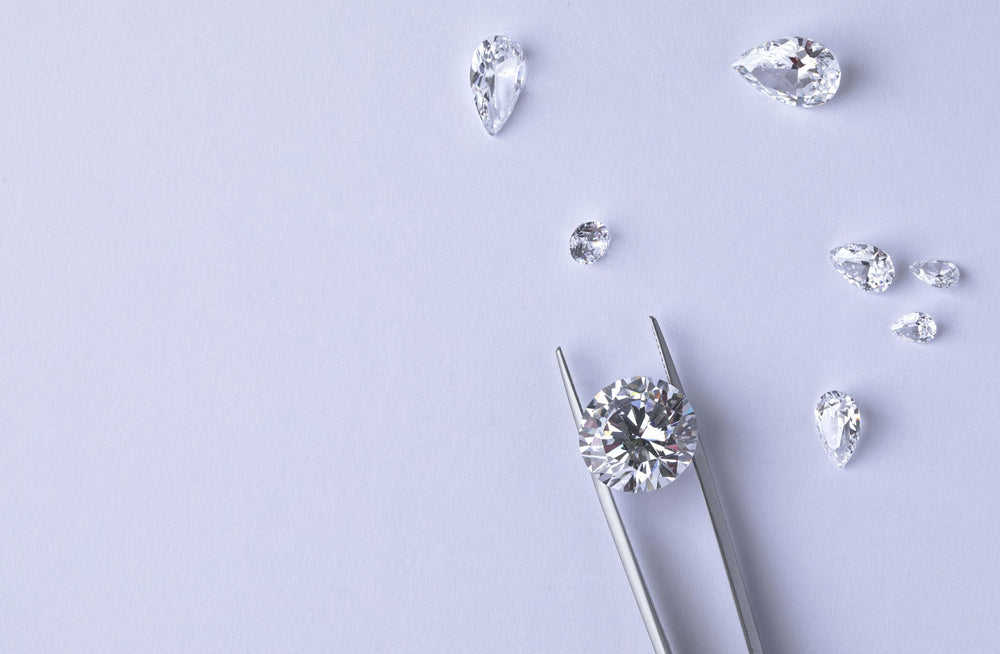
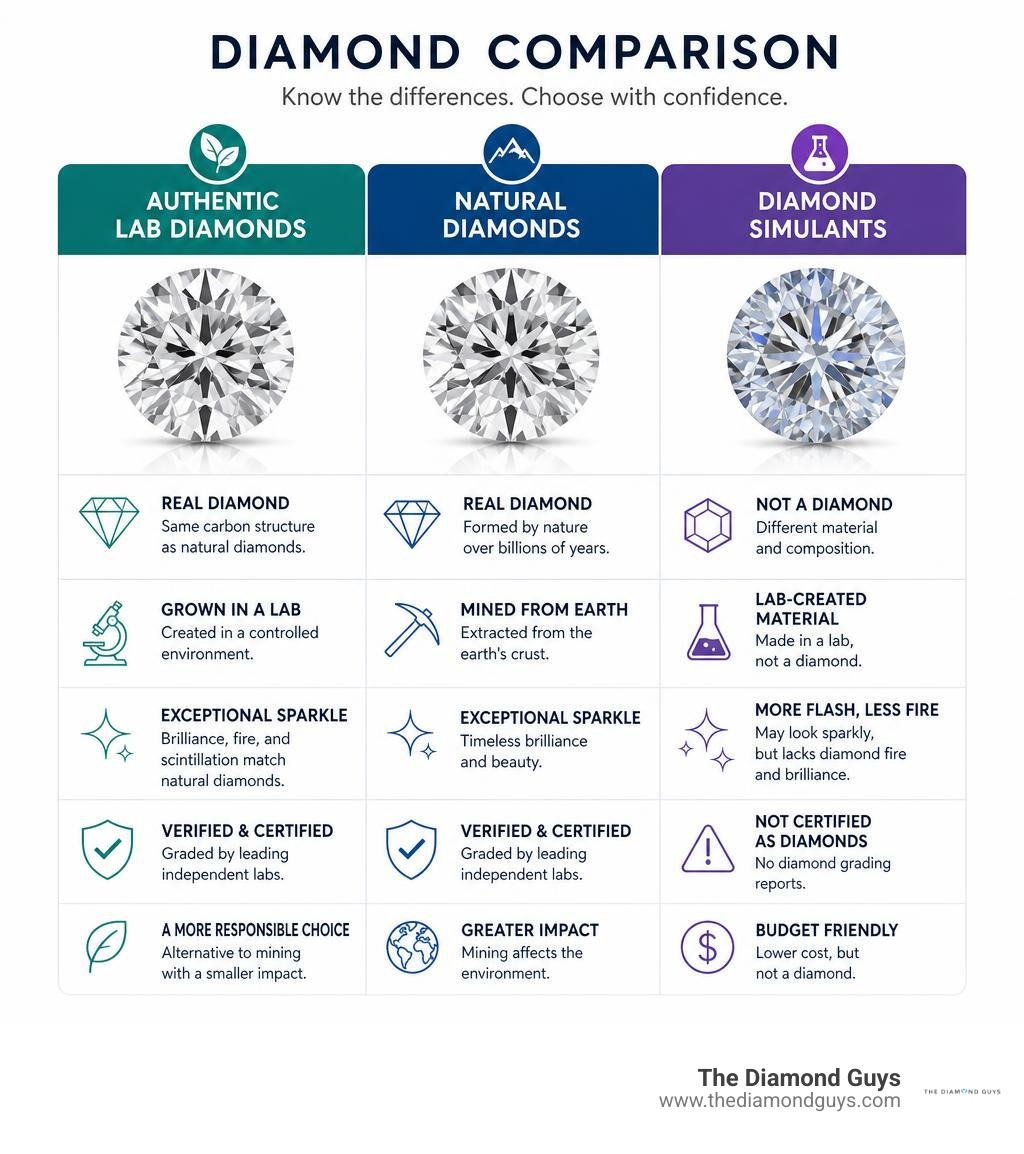
Eco lab diamonds are real diamonds grown in a controlled setting rather than mined from the earth. They have the same carbon structure and the same sparkle as natural diamonds. For a more responsible purchase, choose a stone with an independent grading report, confirm it is a lab-grown diamond rather than a simulant, and ask how the grower and seller address energy use and sourcing.
The word "eco" is useful, but it is not a regulated diamond grade. A true lab diamond is not coated cubic zirconia, moissanite, or another look-alike. It should be clearly identified as laboratory-grown and accompanied by reliable documentation.
For many engagement-ring buyers, lab-grown diamonds also open more room in the budget for a larger size or stronger cut quality. The best value often comes from prioritizing cut first, then choosing a near-colorless G or H stone with eye-clean clarity.
Morgan Price is a white-hat outreach specialist who researches trustworthy sources and helps create clear, useful jewelry content. Their work on eco lab diamonds focuses on transparency, ethical claims, and the details buyers need to shop with confidence.
Eco lab diamonds further reading:
Understanding Eco Lab Diamonds: Origins, Creation, and Sustainability
When we talk about lab-grown gems, we are discussing stones that are physically, chemically, and optically identical to those brought to the surface by geological activity. The fascinating history of lab grown diamonds dates back to early high-pressure experiments in the mid-20th century, but recent technological breakthroughs have made them central to modern fine jewelry design. In fact, regulatory bodies like the Federal Trade Commission recognize laboratory-grown diamonds as genuine diamonds because they share the exact mineral composition and optical properties of mined stones.
Today, master growers use two primary methods to produce gem-quality rough:
- Chemical Vapor Deposition (CVD): A microscopic diamond "seed" is placed inside a vacuum chamber filled with carbon-rich gases (such as methane). When heated and ionized into plasma, pure carbon atoms rain down, crystallizing layer by layer onto the seed under precise temperature and pressure controls.
- High Pressure High Temperature (HPHT): This technique replicates the extreme conditions found deep in the Earth's mantle, subjecting carbon to forces exceeding 50,000 atmospheres and temperatures surpassing 2,000°C to grow rough crystal matrices.

From an environmental standpoint, creating a stone in a modern laboratory eliminates large-scale open-pit excavation, heavy diesel machinery emissions, and severe habitat disruption. Furthermore, leading laboratories increasingly leverage renewable energy sources like solar and hydroelectric power to fuel their reactors, significantly reducing the carbon footprint of each carat produced.
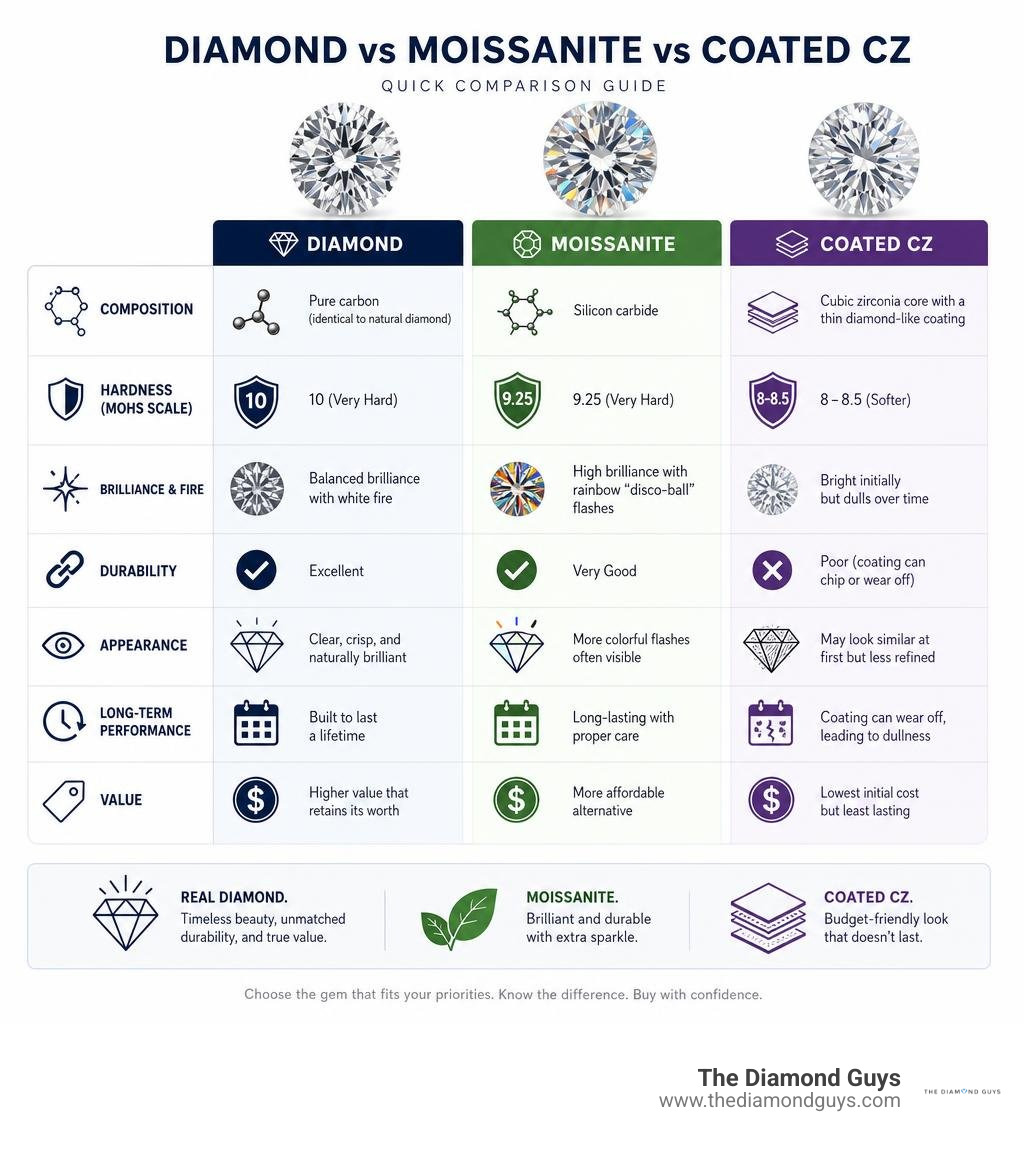
When analyzing lab diamonds vs real diamonds, it is vital to realize that both share an identical carbon crystal lattice, a Mohs hardness rating of 10, and a refractive index of 2.42.
Identifying Authentic Eco Lab Diamonds vs. Coated Simulants
A major challenge shoppers face online is confusing genuine man-made diamonds with diamond simulants. A true lab diamond is 100% crystallized carbon. In contrast, common simulants like cubic zirconia (CZ) or moissanite are entirely different materials with distinct chemical formulas and different light-handling characteristics.
Some questionable marketing tactics involve taking a standard cubic zirconia core, applying an ultra-thin layer of synthetic diamond or diamond-like carbon (DLC), and labeling it an "eco-diamond simulant." While it may look bright on day one, a coated simulant is not a real diamond. It lacks the hardness, fire, and durability of a genuine diamond, and the coating can wear, peel, or chip away over time.
Understanding the difference between real and synthetic diamonds ensures you get what you pay for. Similarly, if you have wondered are lab grown diamonds and moissanite the same, they are distinct chemical compounds; moissanite is silicon carbide, which produces a distinctive rainbow flash ("disco-ball effect") rather than the balanced white brilliance and fire of authentic carbon.
Lab-Grown vs. Natural Diamond Pricing and Quality Trade-offs
Price is often what first catches a buyer's attention. Because the supply chain is streamlined and diamond growth is scalable, lab-created diamonds offer tremendous value. Without the extensive costs of geological exploration, deep-earth mining, international transport networks, and multiple broker markups, growers and jewelers pass substantial savings directly to consumers.
When deciding should you buy a lab grown diamond, evaluating your budget balance is key. If you are shopping with an approximate $10,000 budget for a substantial 2-carat center stone, you can easily prioritize top-tier cut quality, near-colorless G or H grades, and eye-clean VS1–VS2 or high-grade SI1 clarity, while leaving plenty of room for a fully customized ring setting.
Historically, cut grades like "Ideal" (often awarded by specialized labs for mathematical proportioning) offer superior light return compared to standard "Excellent" cuts. However, market pricing can occasionally show quirks where Excellent cut stones carry a supplier premium due to rough weight retention.
| Characteristic | Lab-Grown (2.01 ct Round) | Mined Diamond (2.01 ct Round) | Advantage / Trade-off |
|---|---|---|---|
| Color Grade | H (Near Colorless) | H (Near Colorless) | Visually identical face-up |
| Clarity Grade | SI1 (Eye-Clean) | SI1 (Eye-Clean) | Both require individual inspection |
| Typical Cut | Ideal / Excellent | Excellent | Ideal cut maximizes fire and brilliance |
| Price Range | ~$9,900 | $6,900 – $11,170+ (Highly variable) | Better cut precision available at lower tiers |
| Origin Ethics | Traceable laboratory origin | Mined extraction | Zero mining disruption with lab stones |
How to Verify and Inspect Eco Lab Diamonds Online
Buying fine jewelry online requires vigilance and attention to detail. Follow these essential verification steps to ensure you receive a legitimate, high-grade stone:
- Insist on Independent Certification: Always verify the diamond comes with a grading report from a globally recognized laboratory, such as the International Gemological Institute (IGI) or Gem Certification & Assurance Lab (GCAL).
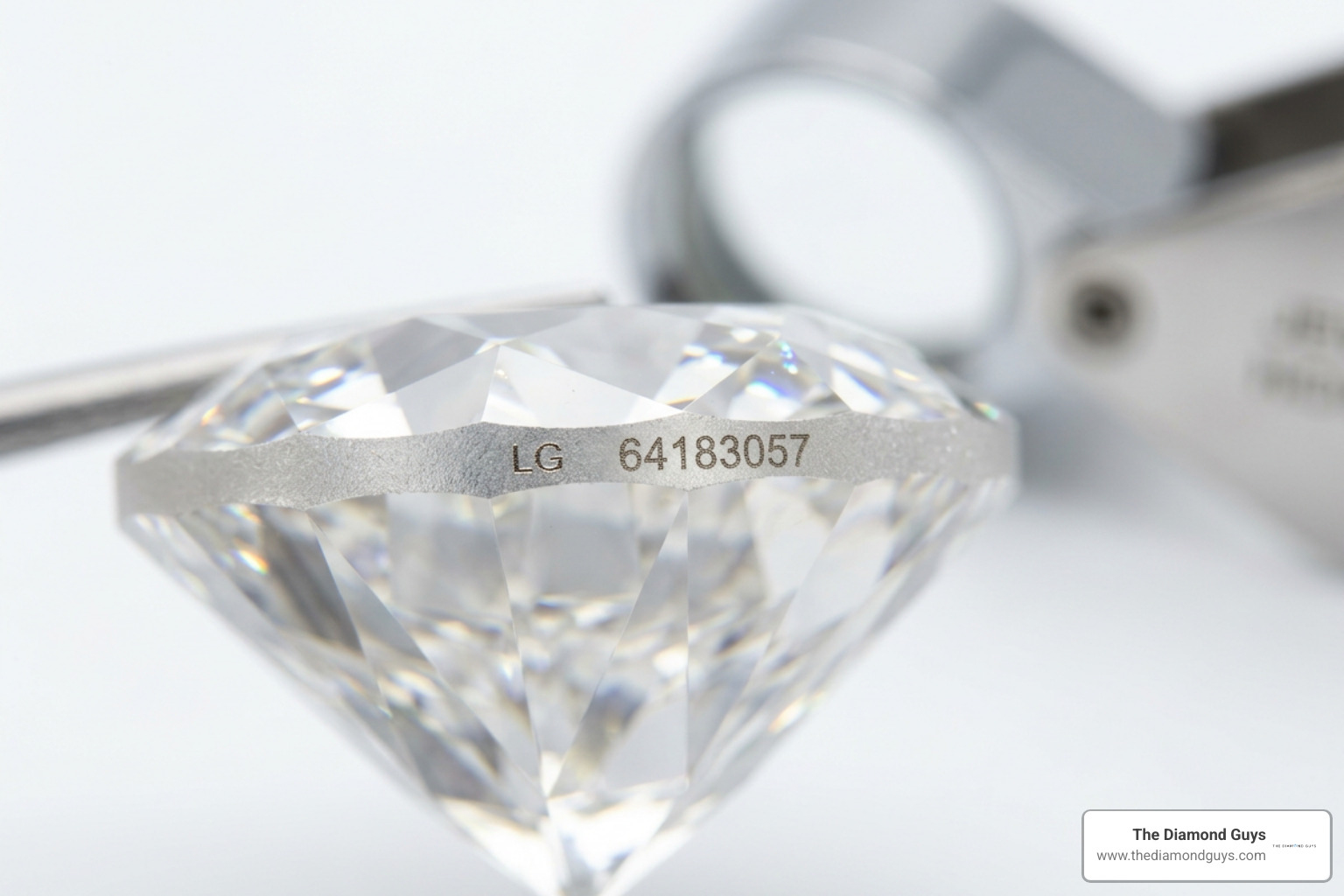
- Inspect the Girdle Inscription: Reputable growers laser-inscribe a unique serial number and the words "LG" or "Lab Grown" directly onto the stone's girdle, matching the digital certificate.
- Check Light Performance Tools: Look for Idealscope or Holloway Cut Adviser (HCA) scores. An HCA score below 2.0 indicates superior light return, scintillation, and brilliance, confirming that the facet proportions are working in harmony.
- Review Return and Appraisal Policies: Ensure the vendor offers a clear return window so you can have an independent appraiser examine the stone. Also verify can you insure lab grown diamonds with your chosen jewelry insurer (most major insurers cover them under standard personal jewelry riders).
Frequently Asked Questions About Eco-Friendly Lab Diamonds
Can a Jeweler Distinguish a Lab Diamond from a Natural Stone Without Equipment?
No. Even an experienced master jeweler or gemologist cannot tell the difference between a natural diamond and a lab-grown diamond using a standard 10x jeweler’s loupe. Because both stones share the exact same physical, optical, and chemical properties, they behave identically under standard magnification.
Furthermore, you might wonder: do lab diamonds pass a diamond tester? Yes, they pass basic thermal and electrical conductivity testers because they are genuine diamonds with the identical carbon structure. Definitively identifying a lab-grown diamond requires specialized spectroscopic testing devices, photoluminescence imaging, or reading the microscopic laser inscription etched onto the diamond's girdle that corresponds to its accredited grading report.
What Are the Biggest Online Scams When Buying Lab Diamonds?
When purchasing online from unfamiliar sources, watch out for these deceptive practices:
- Simulant Substitution: Selling coated cubic zirconia or synthetic moissanite as an "eco diamond simulant" without clearly disclosing that the core is non-diamond material.
- Bogus Grading Certificates: Offering in-house "certificates of authenticity" rather than legitimate third-party grading reports from accredited institutions like IGI or GCAL.
- Clarity Bait-and-Switch: Showing a digital rendering of an eye-clean stone, but shipping a diamond with dark, central inclusions that ruin visual transparency.
- Misleading Color Representations: Using high-contrast studio filters to disguise strong brownish or grayish undertones common in lower-grade CVD growth runs.
Why Do Some Excellent Cut Diamonds Cost More Than Ideal Cut Stones?
In diamond pricing, stones with an "Excellent" cut grade can sometimes be listed for higher prices than an "Ideal" cut stone. This often occurs because the cutter optimized the stone to retain maximum carat weight from the original rough, resulting in a heavier wholesale cost. However, an Ideal cut adheres to stricter symmetry and angle tolerances, delivering better light return and visual sparkle even if the carat weight is slightly lower.
Conclusion
Eco-friendly lab diamonds have transformed modern jewelry by delivering exceptional beauty, sustainability, and outstanding value. By insisting on accredited grading certificates, prioritizing cut quality over raw carat weight, and working with trustworthy jewelers, you can choose a breathtaking stone that fits your values and budget.
At The Diamond Guys, our Scottsdale, AZ showroom provides a personalized, transparent experience where you can compare certified stones side by side. Explore our extensive selection of lab grown diamonds and let our expert team help you design the perfect piece today.


