

Everything You Need to Know About Lab Grown Colored Diamonds
Why Lab Grown Colored Diamonds Are Worth Considering
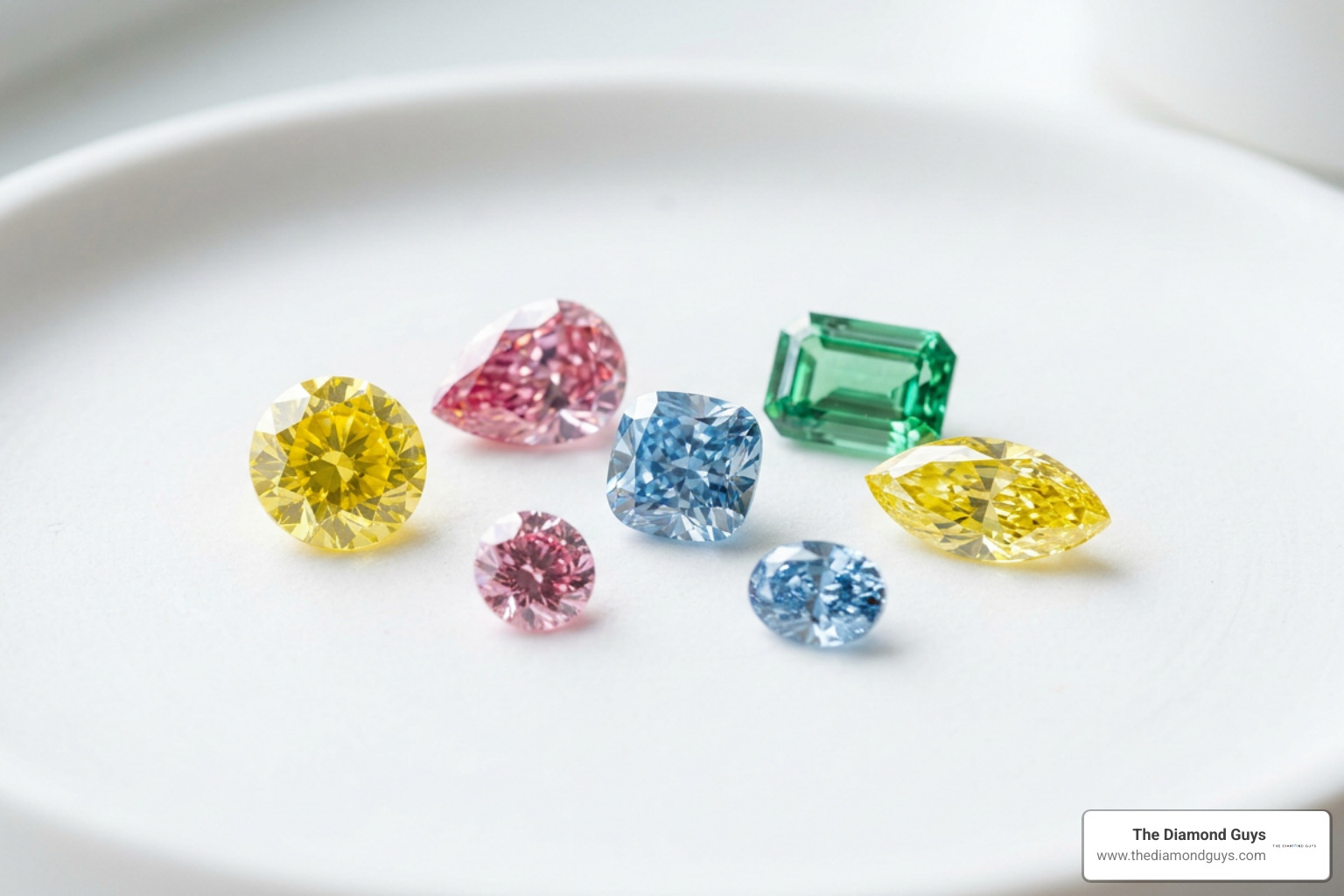
Lab grown colored diamonds are real diamonds created in a controlled setting, with color produced by trace elements or carefully managed treatments. They offer the same core diamond structure and sparkle as mined diamonds, but often make vivid colors such as yellow, pink, blue, and green far more attainable.
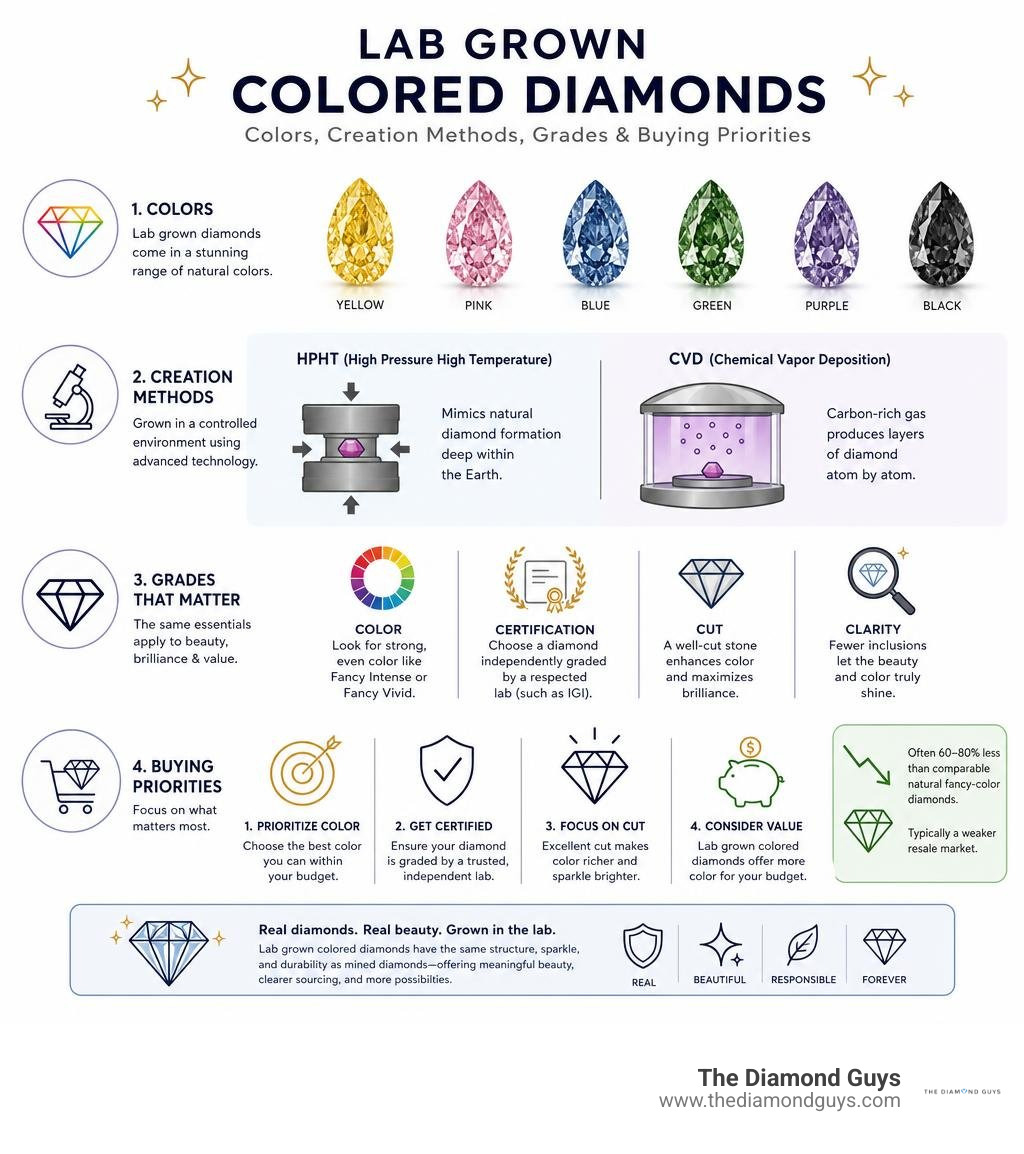
For an engagement ring or custom piece, focus first on:
- Color grade: Look for strong, even color, such as Fancy Intense or Fancy Vivid.
- Certification: Choose a diamond independently graded by a respected lab, such as IGI.
- Cut and clarity: A well-cut stone can make color look richer and light performance brighter.
- Price and long-term expectations: Lab-created colors can cost 60-80% less than comparable natural fancy-color diamonds, but they typically have a weaker resale market.
As of 2026, lab grown colored diamonds appeal to buyers who want a meaningful, high-impact stone with clearer sourcing and a more flexible budget. They are not imitation gems: they are diamonds grown through HPHT or CVD technology, then evaluated for the same essentials that matter in any fine diamond - beauty, durability, grading, and craftsmanship.
I’m Morgan Price, a strategic backlink outreach specialist who researches complex jewelry topics and helps create clear, trustworthy resources for major purchase decisions. In this guide, I’ll break down what to know about lab grown colored diamonds before you choose one.
Quick lab grown colored diamonds terms:
The Science Behind Lab Grown Colored Diamonds
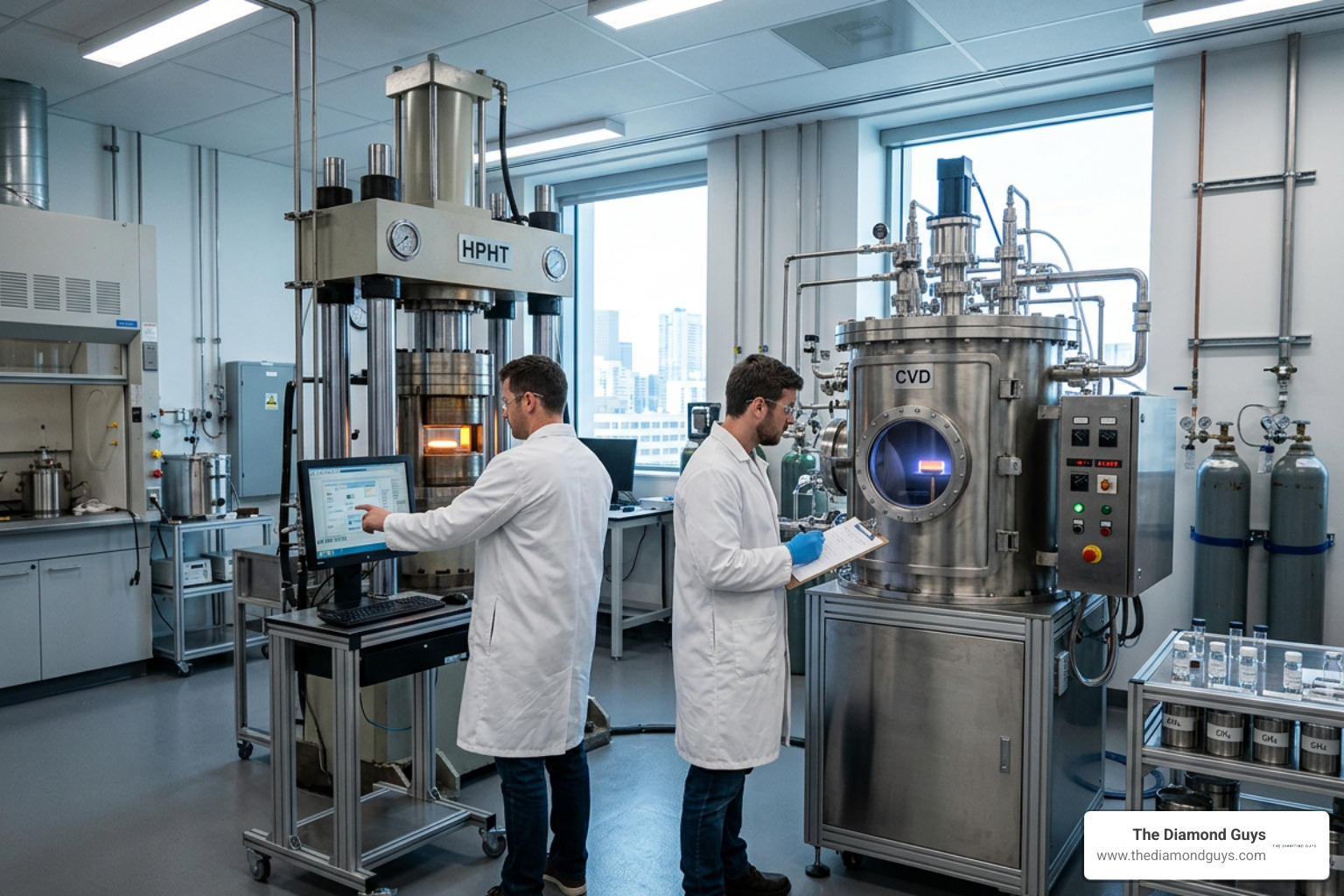
At their core, diamonds are pure carbon crystallized under immense heat and pressure. In nature, this happens deep within the earth's mantle over billions of years. In modern laboratories, scientists replicate these extreme conditions using two primary techniques: High Pressure High Temperature (HPHT) and Chemical Vapor Deposition (CVD).
HPHT mimics the subterranean forces of nature by placing a tiny diamond seed inside a mechanical press capable of generating pressures above 50,000 atmospheres and temperatures exceeding 1,400°C. Pure carbon dissolves in a molten metal flux and precipitates onto the seed, growing layer by layer. CVD, by contrast, takes a different path: hydrocarbon gas mixtures (typically methane and hydrogen) are pumped into a vacuum chamber and energized with microwaves, breaking molecular bonds so pure carbon atoms rain down onto diamond substrate plates.
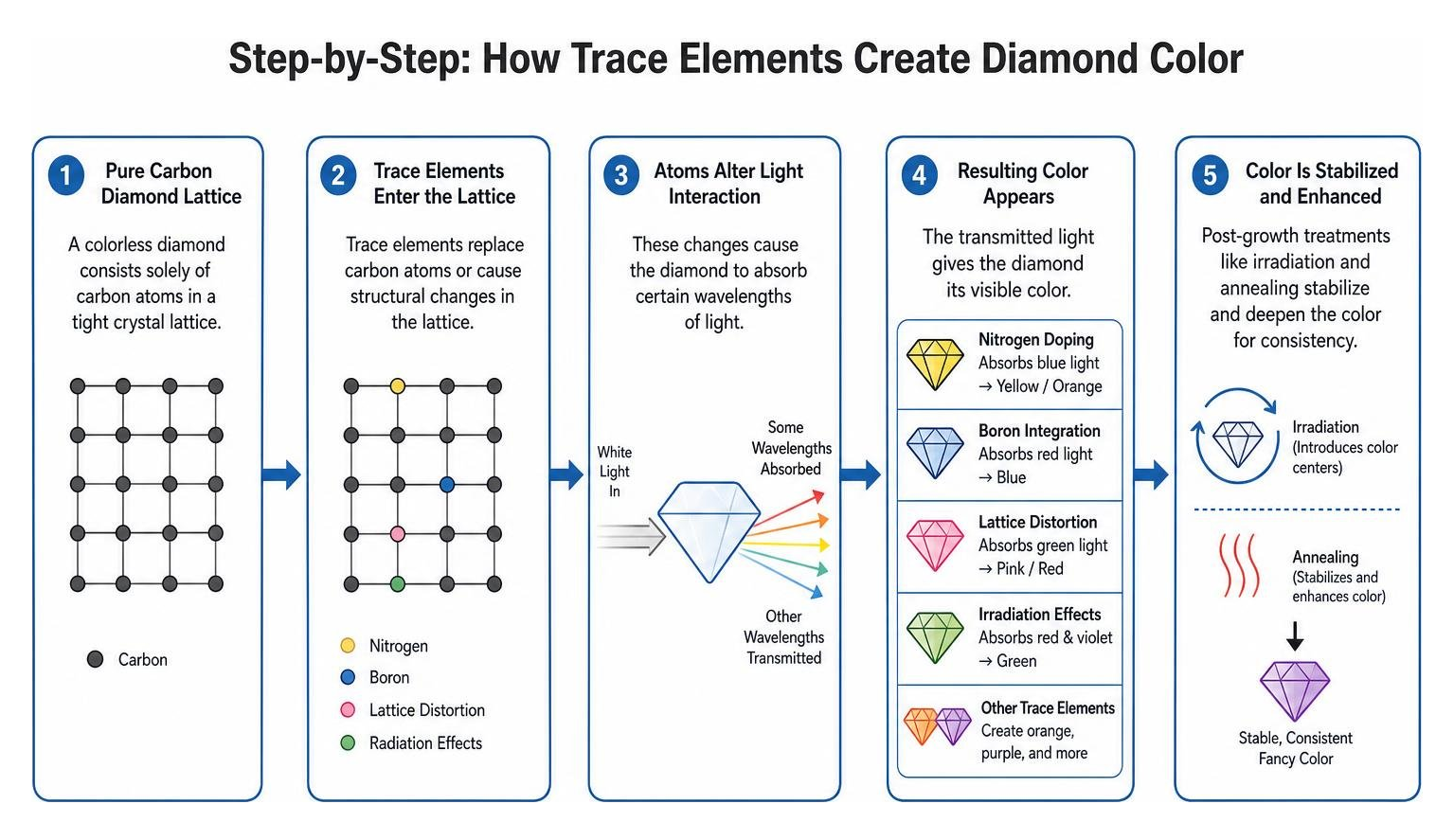
The magic of color happens at the atomic level. While a standard colorless diamond consists solely of carbon atoms bonded in a tight crystal lattice, fancy colors appear when foreign trace elements sneak into that lattice or when structural defects alter how light reflects through the gem:
- Nitrogen Doping (Yellow & Orange): When nitrogen atoms replace carbon atoms in the lattice, the crystal absorbs blue light and transmits warm yellow or orange hues. Controlled nitrogen introduction during growth produces everything from subtle champagne tones to electric canary yellow.
- Boron Integration (Blue): When boron enters the diamond structure, it absorbs red light, creating shades from sky blue to deep ocean tones.
- Lattice Distortion and Plastic Deformation (Pink & Red): Pink diamonds often develop their romantic blush not from impurities, but from extreme physical pressure that shifts the carbon lattice slightly, causing the stone to absorb green light.
- Irradiation and Annealing (Green): Green coloration occurs when natural or laboratory radiation knocks carbon atoms out of place, creating color centers that absorb red and violet wavelengths.
Through post-growth treatments like controlled electron irradiation and precise annealing, master diamond growers can stabilize and deepen these mesmerizing colors with absolute consistency.
Popular Hues of Lab Grown Colored Diamonds
The spectrum of lab-created colored gems is virtually endless, but several standout shades dominate modern jewelry design:
- Canary Yellow: The classic fancy diamond hue. Ranging from sunny pastel tones to rich, warm ambers, yellow diamonds remain a vibrant favorite for cocktail rings and statement solitaires.
- Fancy Pink: Historically one of the rarest finds on earth, laboratory-grown pinks offer breathtaking hues ranging from delicate baby pink to fiery magenta without the multi-million-dollar auction price tag.
- Deep Ocean Blue: Boron-infused stones produce an alluring range of celestial blues, perfect for vintage-inspired rings and modern halos. A striking blue lab diamond offers incredible presence on the finger.
- Radiant Green: Known for its lush, organic feel, green diamonds capture earthy vitality. If you want to shop smart finding your perfect lab created green diamond, looking for well-distributed saturation is key.
- Rare Orange and Royal Purple: Among the most exotic variations, deep purple and citrus orange stones provide distinctive personal flair for collectors seeking something completely out of the ordinary.
Lab Created vs. Earth-Mined Colored Diamonds
A common question we hear from clients in our Scottsdale, AZ showroom is whether a created gem matches the integrity of an earth-mined stone. The short answer is yes: structurally, optically, and chemically, they are identical. When asking are lab grown diamonds real diamonds, gemological institutes confirm that lab gems possess the exact same refractive index (2.42), dispersion fire (0.044), and Mohs hardness rating (10). Understanding the difference between real and synthetic diamonds simply comes down to their origin, not their physical essence.
| Feature | Lab Grown Colored Diamonds | Earth-Mined Fancy Colored Diamonds |
|---|---|---|
| Chemical Composition | 100% crystallized carbon (Type Ia/IIa/IIb) | 100% crystallized carbon (Type Ia/IIa/IIb) |
| Mohs Hardness | 10 (Highest possible durability) | 10 (Highest possible durability) |
| Refractive Index & Brilliance | 2.417 – 2.419 (Identical fire and sparkle) | 2.417 – 2.419 (Identical fire and sparkle) |
| Price (Fancy Vivid 1ct) | ~$1,500 – $3,500 | $50,000 – $250,000+ |
| Supply Predictability | High; created on demand | Extremely scarce (less than 0.1% of mined gems) |
| Environmental & Ethical Clarity | Fully traceable supply chain, zero open-pit mining | Varies; requires chain-of-custody verification |
| Color Availability | Consistent across rare pinks, blues, greens, and yellows | Heavily restricted by natural geological rarity |
The true distinction lies in accessibility. Because natural fancy vivid stones require geological anomalies that occur once in millions of carats, their prices routinely fetch hundreds of thousands of dollars. Laboratory synthesis brings those same striking optical colors within reach for everyday luxury, accompanied by completely transparent sourcing.
Quality Evaluation and Buyer's Guide
Evaluating fancy colored diamonds requires a different mindset than shopping for colorless stones. For white diamonds, the goal is the complete absence of tint. For colored stones, color is king.
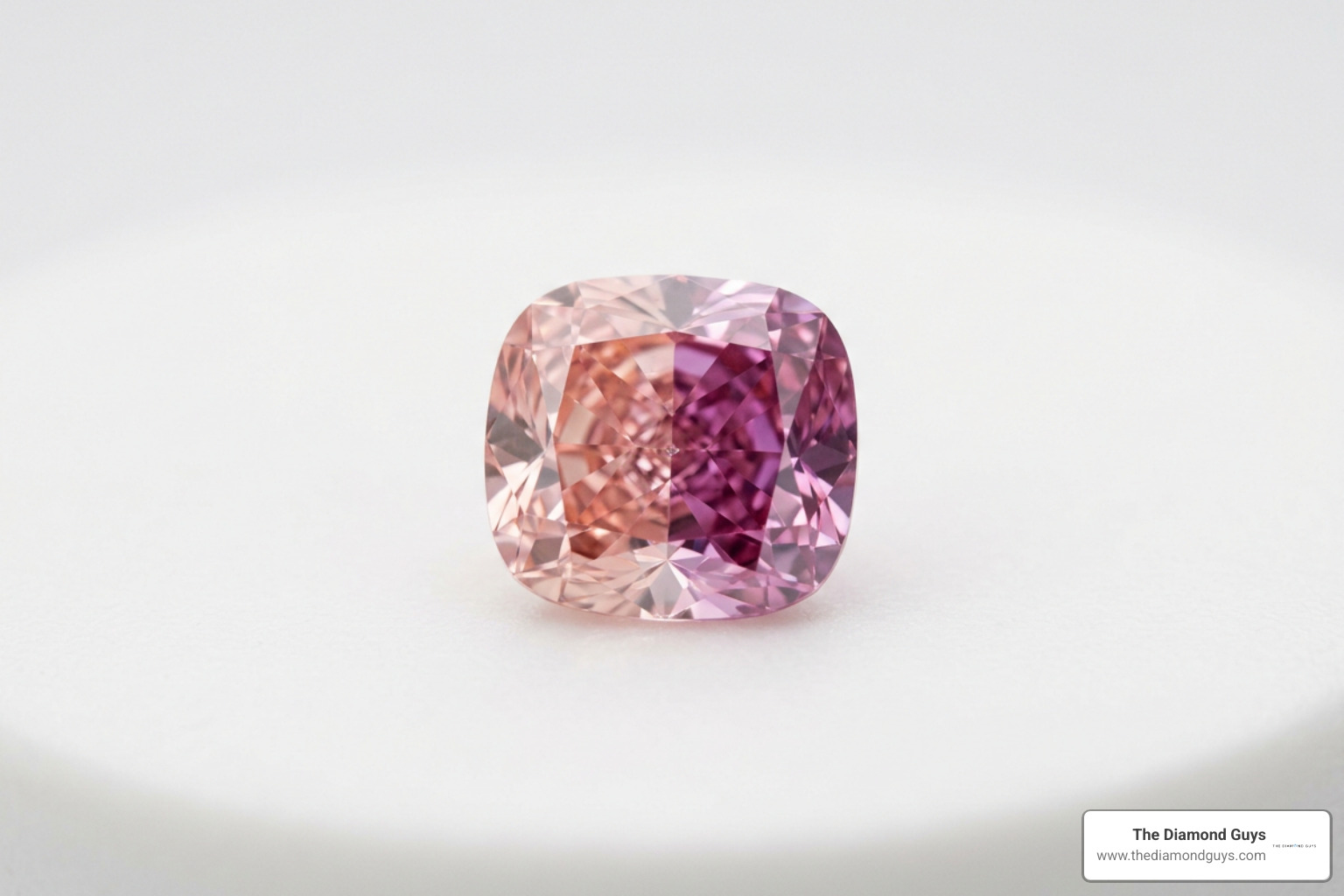
When selecting your gem, pay attention to these core parameters:
- Hue, Tone, and Saturation: Hue refers to the primary color (plus any secondary modifiers, such as purplish-pink or greenish-blue). Tone describes the lightness or darkness of the shade, while saturation defines the strength and purity of the color.
-
Color Intensity Grades: Independent laboratories grade fancy diamonds along a strict continuum:
- Faint / Light
- Fancy Light
- Fancy
- Fancy Intense
- Fancy Vivid (the pinnacle of rich, saturated color)
- Fancy Deep / Fancy Dark
- Clarity Considerations: In colorless stones, inclusions disrupt light performance. In colored diamonds, minor inclusions are far more forgiving because deep body color conceals small natural crystal imperfections. Eye-clean VS1 to SI1 grades offer tremendous value.
- Fancy Cuts and Light Trapping: Master diamond cutters choose shapes that bounce light internally to intensify color saturation. Elongated brilliant cuts excel at this. If you are exploring shapes, check out your guide to buying pear lab diamonds or our detailed oval lab grown diamond ring guide to see how facet arrangements bring colored center stones to life.
Grading and Certification of Lab Grown Colored Diamonds
Never purchase a colored diamond without third-party laboratory verification. A grading report ensures the stone’s color origin, carat weight, and optical dimensions are accurately documented.
The International Gemological Institute (IGI) is widely regarded as the global leader in grading laboratory-created colored gems. When reviewing IGI certified lab diamonds, the certificate details the primary hue, secondary undertones, and precise growth method. For complete peace of mind, our ultimate IGI certified lab grown diamonds guide explains how microscopic laser inscriptions on the diamond's girdle verify its identity against its digital certificate.
Styling and Custom Jewelry Options
A vivid center diamond provides a stunning focal point for custom jewelry. The secret to exceptional design lies in selecting metal mountings and accent stones that complement the diamond's unique color palette.
- Warm Tones in Rich Settings: Yellow and orange diamonds pair gorgeously with 18k yellow gold bezels, which naturally enhance their golden warmth. Flanking them with colorless trillion-cut or tapered baguette side stones creates brilliant contrast.
- Cool Colors in Platinum: Pink and blue diamonds pop with pure clarity when set in platinum or 18k white gold. To make a light pink center stone appear richer, jewelers often set the stone in rose gold prongs nestled within a platinum band.
- Bespoke Bridal Sets: More modern couples are turning toward custom jewelry that tells an individual story. Exploring lab diamond custom jewelry allows you to blend colored accents into halo rings, hidden accents, or three-stone settings.
- Curating Timeless Engagement Rings: If you are planning an upcoming proposal, our lab created diamond engagement ring guide 2026 offers insights on designing an heirloom piece built for daily wear.
For our clients in Scottsdale, AZ, and surrounding communities like Phoenix, our design team works directly with you to select certified stones and build 3D CAD models, bringing your dream piece from sketch to life.
Frequently Asked Questions
Do lab grown colored diamonds fade or change color over time?
No, the color in a lab-grown diamond is permanent and stable. Because the hue is caused by atomic-level lattice structures, trace elements, or stable irradiated color centers, everyday exposure to sunlight, heat, water, and household cleaning supplies will not alter the gem's appearance. Worried about wear over time? Discover the facts on whether do lab grown diamonds get cloudy—with regular gentle cleaning, a diamond retains its brilliant fire forever.
Can you insure a colored lab diamond?
Yes, absolutely. Colored lab diamonds can be appraised, insured, and scheduled onto homeowners, renters, or dedicated jewelry insurance policies just like mined gems. When clients ask can you insure a lab grown diamond, we always recommend securing an independent appraisal that includes your IGI grading report number so your replacement policy covers the exact color grade and carat weight.
How do colored lab diamonds hold their value over time?
Lab-grown diamonds are best viewed as wearable, fine jewelry rather than speculative financial investments. As technological advancements have improved production efficiency, retail prices for lab diamonds have become more accessible. While mined fancy colored gems trade on extreme geological scarcity, lab-grown colored stones offer unbeatable beauty per dollar, allowing you to prioritize design, scale, and daily enjoyment over resale dynamics.
Conclusion
Colored diamonds have long represented the ultimate expression of individual style, luxury, and artistic romance. Today’s laboratory advancements allow you to select vivid canary yellows, celestial blues, and vibrant blush pinks with complete ethical confidence and exceptional value.
At The Diamond Guys, our 5-star rated team in Scottsdale, AZ specializes in crafting one-of-a-kind custom engagement rings and fine jewelry tailored to your exact vision. Whether you are seeking a showstopping Fancy Vivid solitaire or a subtle pastel accent, we invite you to discover certified lab grown diamonds and experience the personalized guidance that makes finding your dream stone unforgettable.


