

Skip the Polish and Choose an Uncut Natural Diamond
What Is a Natural Raw Diamond?
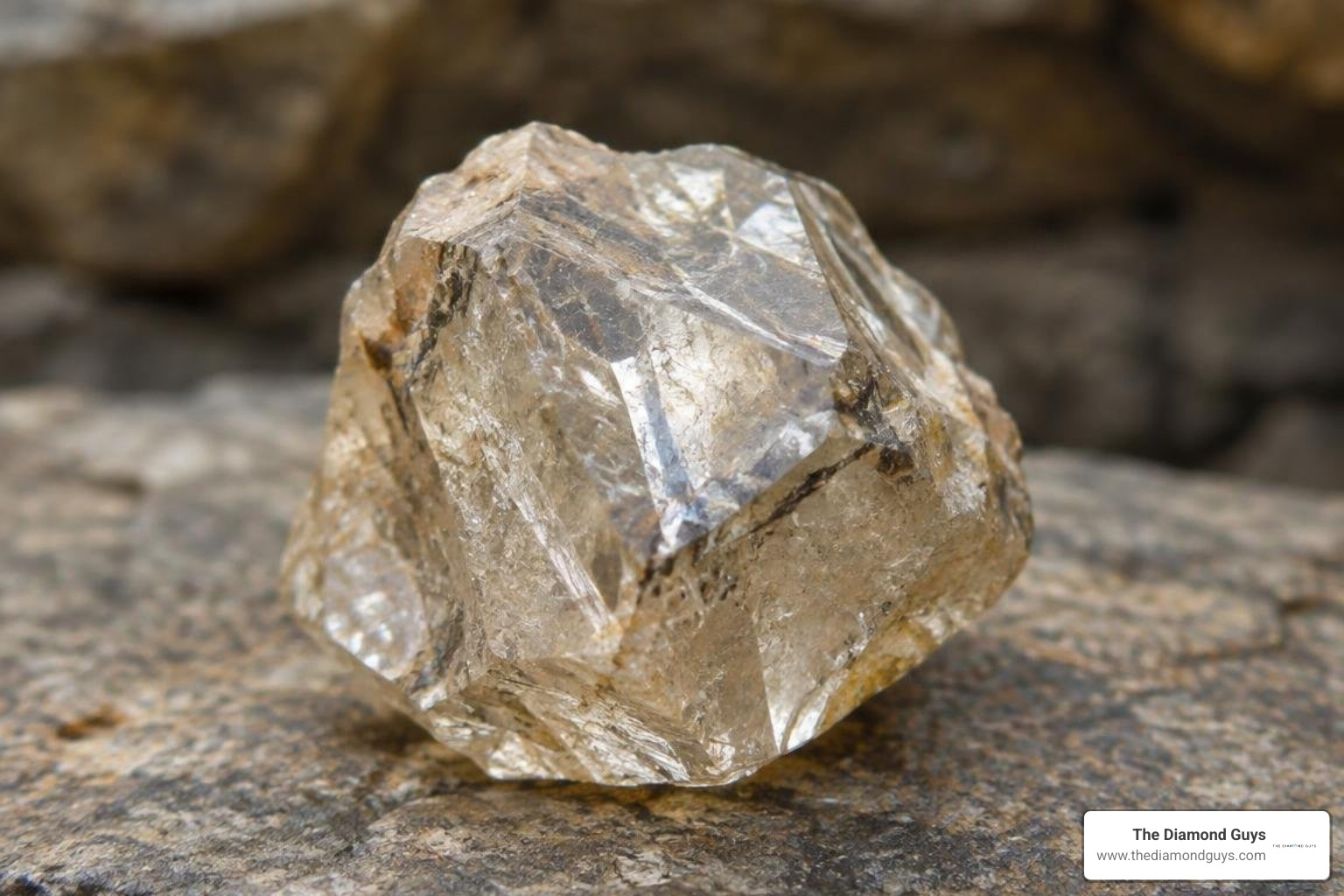
A natural rough diamond is a diamond that formed in the earth and has not been cut or polished. Its uneven shape and visible crystal surfaces give it a look you won't find in a standard sparkling diamond. You can keep that shape for a ring or necklace, or have a jeweler assess whether the stone is worth cutting.
If you're shopping for one, start with the basics: confirm its weight, ask whether it is natural and untreated, and get clear photos and a return policy before you pay. A rough diamond's color and clarity matter, but polished-diamond grades may not tell the whole story when the stone has no finished facets.
I'm Morgan Price, a research-driven editorial outreach specialist. My work checking sources and building trustworthy content links shapes this guide to natural diamond raw, starting with how rough stones become jewelry.
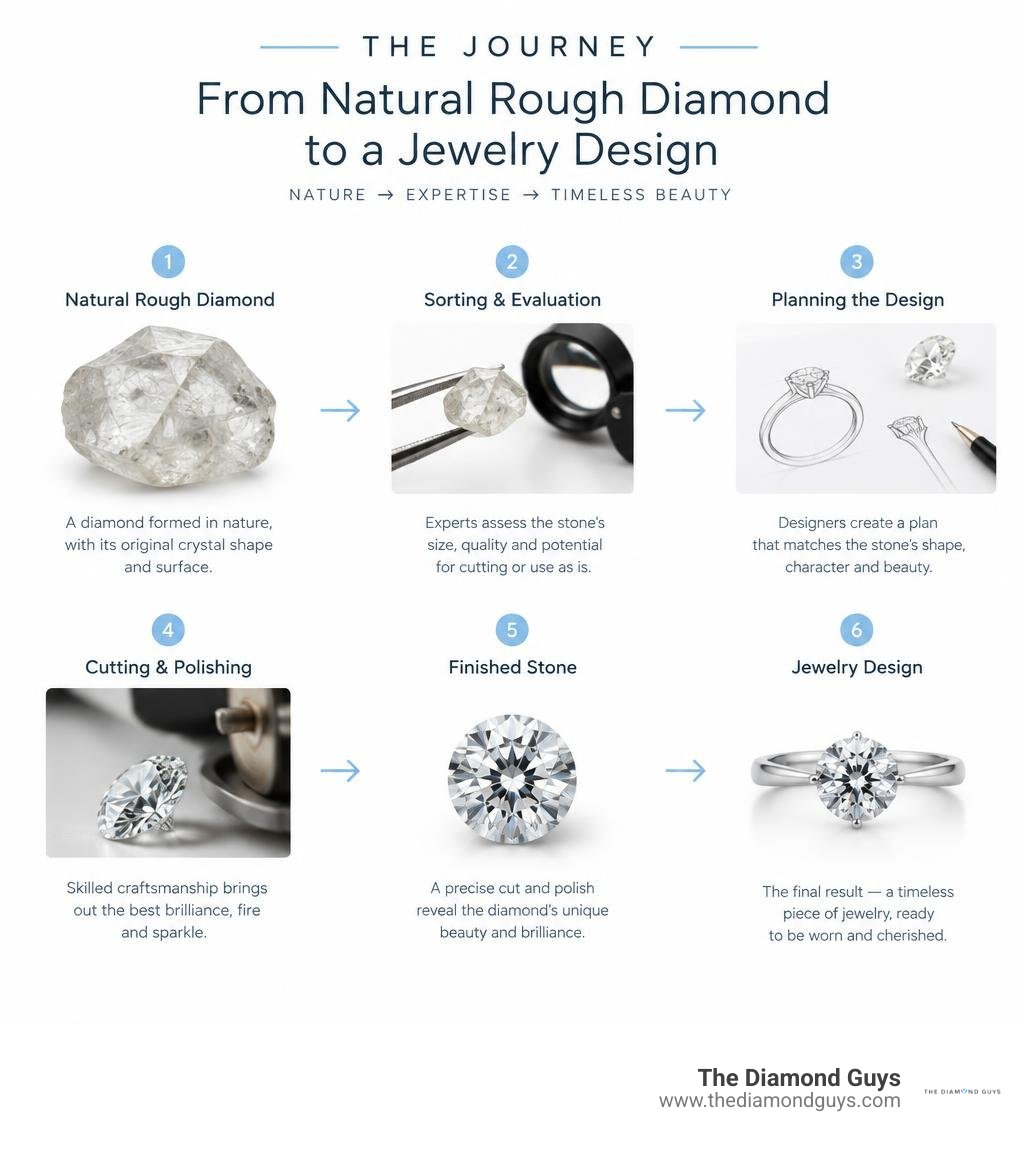
Natural diamond raw word guide:
Understanding the Natural Diamond Raw Market vs. Cut Stones
When most people picture a diamond, they visualize the dazzling fire of a traditional round brilliant cut. However, an uncut crystal offers a completely different aesthetic and financial profile.
The primary economic difference between rough crystals and faceted stones lies in the yield loss incurred during manufacturing. When a master diamond cutter takes a raw octahedral or macle crystal to the wheel, anywhere from 40% to 60% of the original carat weight is polished away to achieve optimal symmetry and optical light return. Because a finished stone represents both the raw material cost and the significant loss of original mass during cutting, polished gems command a much higher price per carat.
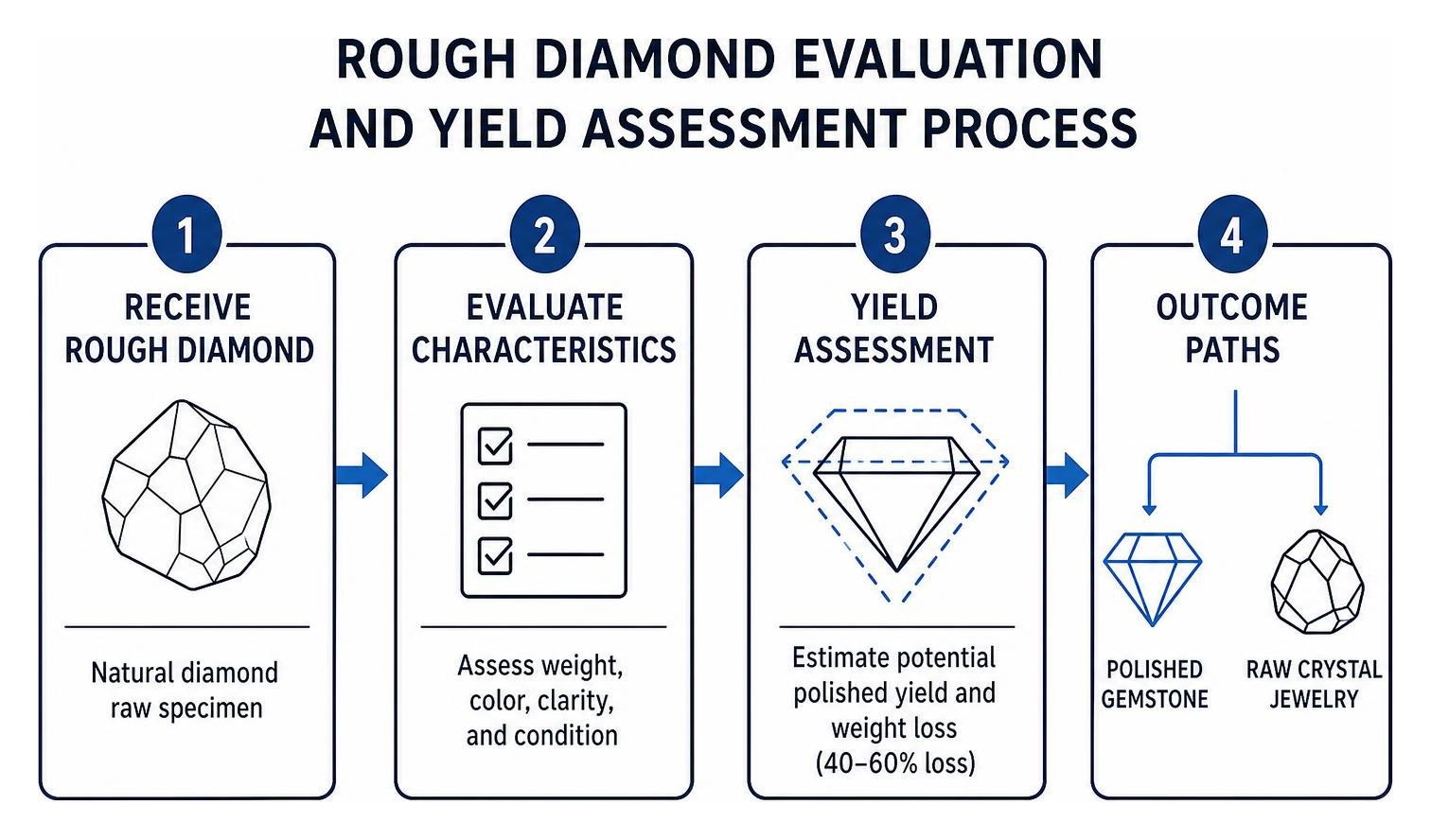
A polished 3.98-carat natural round brilliant diamond with a J color and I2 clarity can carry an estimated retail market valuation between £16,000 and £21,000, driven by facet labor, symmetry optimization, and finished market positioning. Conversely, high-grade uncut stones provide an accessible entry point to substantial carat sizes while preserving every milligram of the earth’s original creation. From historical treasures like the largest natural diamond in the world to modern boutique gems, rough stones showcase untamed geology.
| Feature / Trait | Natural Diamond Raw Specimen | Cut & Polished Diamond |
|---|---|---|
| Surface Appearance | Matte, waxy, or frosted skin with trigons | Highly reflective, smooth mirrored facets |
| Material Retention | 100% of mined crystal weight preserved | 40% to 60% mass lost during cutting |
| Internal Grading Visibility | Light transmission obscured by skin | Readily inspected under 10x magnification |
| Price per Carat | Generally lower due to absence of cutting overhead | Significantly higher due to labor and yield loss |
| Setting Approach | Requires custom organic bezels or tension prongs | Uses standard calibrated commercial mountings |
| Market Segment | Custom fine jewelry, collectors, mineral specimens | Mainstream commercial and bridal fine jewelry |
Rough diamonds are generally divided into two broader market categories: industrial grade and gem grade. Industrial-grade crystals—often heavily included or opaque—are used for precision cutting tools, drill bits, and abrasive grinding. Gem-grade crystals display exceptional structural integrity, pleasing natural color, and internal transparency, making them ideal for high-end bespoke jewelry.
Evaluating Clarity and Color in a Natural Diamond Raw Specimen
Evaluating the clarity and color of an uncut stone requires a specialized eye. Unlike polished diamonds graded through standardized tables, an uncut crystal must be assessed through its natural outer skin.
For instance, a parcel such as two natural white rough diamond pieces totaling 1.85 carats with dimensions around 4.4 x 4.0 x 3.5 mm can exhibit near-colorless E-F hues and VVS internal clarity. In an uncut state, VVS clarity indicates that once you look past the natural surface texture, the stone contains only minute, microscopic inclusions.
When evaluating a raw stone, look for the following physical markers:
- Surface Trigons: Microscopic triangular growth markings on octahedral faces that confirm natural crystal growth.
- Light Transmission: Hold the stone over a focused light pen to observe whether the internal core is clear or cloudy.
- Color Hues: Raw crystals range from icy E-F white tones to warm yellows, champagnes, silver-grays, and deep earthy blacks.
- Skin Texture: Waxy, glassy, or frosted skins affect internal visibility, requiring backlighting for accurate interior assessment.
Geographic Origins and Sourcing Transparency
The provenance of an uncut diamond influences its ethical standing and overall market appeal. Major producing nations known for producing high-grade gem rough include Botswana, Angola, South Africa, and the Democratic Republic of Congo. Sourcing from regions that follow rigorous ethical mining practices ensures that the diamonds support local labor forces and regional infrastructure.
While global pipelines dominate the commercial supply, geological curiosity often leads enthusiasts to research domestic deposits, such as geological diamond discoveries across North America. Wherever your stone originates, strict compliance with the Kimberley Process Certification Scheme (KPCS) ensures that each rough specimen is legitimate, conflict-free, and ethically imported.
Designing Bespoke Fine Jewelry with Rough Diamonds

Setting an uncut diamond into fine jewelry requires an artisanal approach. Because no two rough diamonds share identical geometry, commercial mass-produced mountings cannot accommodate them. Each setting must be hand-fabricated around the unique contours of the individual crystal.
Uncut stones lend themselves naturally to a variety of luxury settings:
- Custom Organic Bezels: A hand-rubbed yellow or white gold bezel wraps securely around the asymmetric perimeter of the crystal, highlighting its natural silhouette.
- Claw and Talon Prongs: Strategic prongs grip the natural corners of an octahedral or dodecahedral stone, allowing maximum ambient light to hit the raw surfaces.
- Everyday Minimalist Wear: Smaller rough specimens (ranging from 0.07 to 0.50 carats) look striking when mounted into yellow gold stud earrings or paired with colorful cords for understated luxury.
- Statement Necklaces: Substantial raw stones ranging up to 7 carats make captivating centerpieces when suspended from hand-finished chains.
Complementing an organic rough centerpiece with an expertly set natural mined diamond band creates an eye-catching contrast between raw geological texture and polished geometric brilliance.
Crafting Modern Rings with Natural Diamond Raw Crystals
Modern bridal jewelry is shifting toward individuality, making raw diamonds an appealing choice for alternative engagement rings with natural diamonds. Couples seeking a distinctive design often choose raw crystals for their tactile, architectural appeal.
Uncut diamonds have exceptional visual weight on the hand. Because the stone retains its full mined volume, a 2.50-carat rough crystal often presents a broader, more organic footprint than a cut stone of equivalent weight. Diamonds retain a hardness rating of 10 on the Mohs scale in both rough and polished states, giving uncut crystals the durability required for daily lifetime wear when thoughtfully designed alongside the best natural diamond engagement rings.
How to Buy Rough Diamonds Online and at Auction Safely
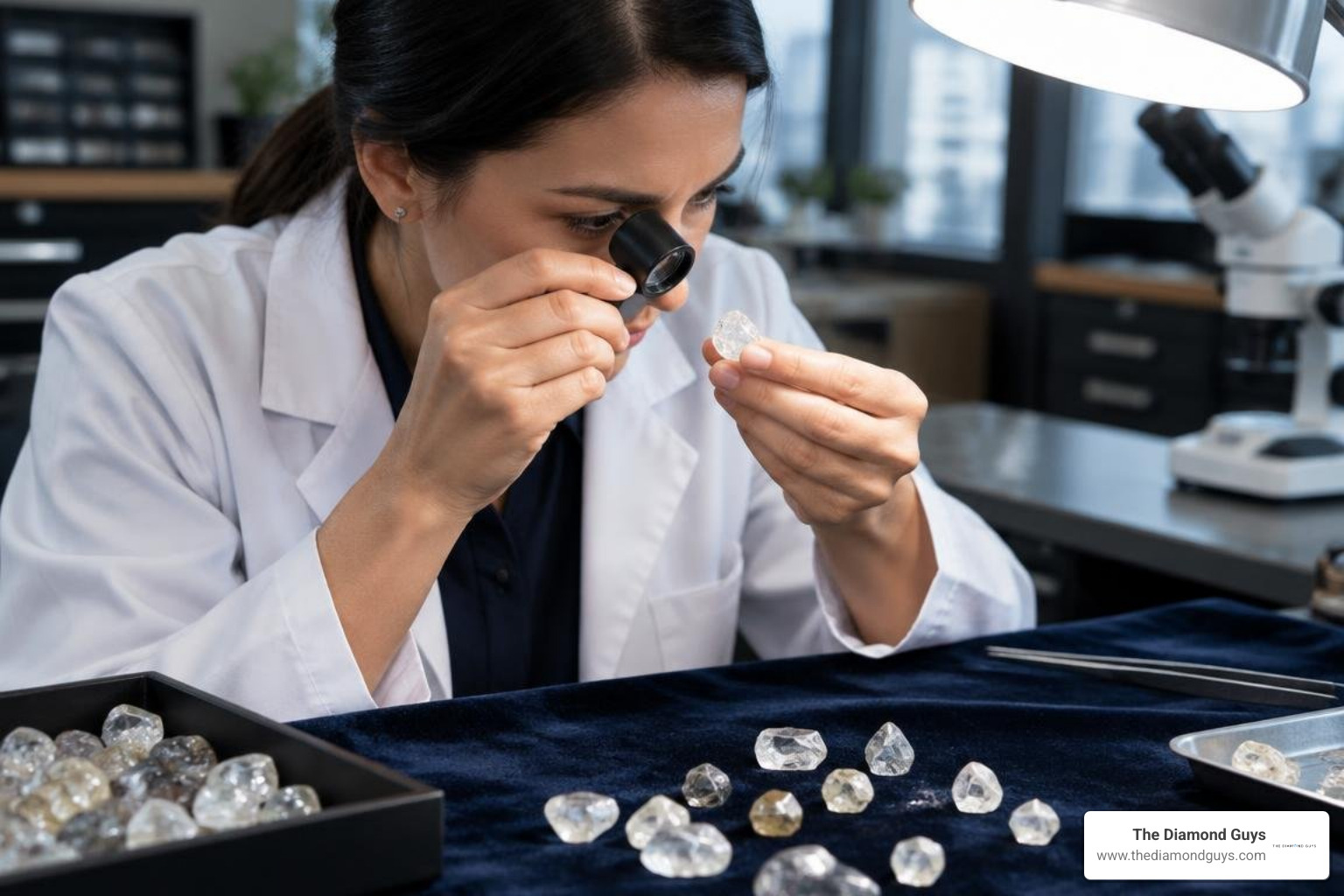
Navigating the marketplace for uncut diamonds requires an understanding of where and how these stones are traded. The buying experience varies significantly between established jewelry showrooms, private mineral dealers, and commercial auction platforms.
When sourcing stones through auction houses rather than private diamond merchants or local studios like our loose diamonds Scottsdale AZ collection, pay close attention to secondary transactional expenses:
- Buyer’s Premiums: Auctions often charge an additional 15% to 20% buyer’s fee on top of the winning hammer price, plus applicable local sales tax or VAT.
- Invoice Settlement Timelines: Auction invoices typically require full wire payment within 24 to 48 hours of lot closing.
- Strict As-Is Terms: Commercial liquidation auctions rarely provide unconditional return privileges, making comprehensive independent verification essential before placing bids.
Verifying Authenticity and Treatment Disclosures
Authenticity is paramount when buying uncut diamonds online. Glass simulants, cubic zirconia rough, and synthetic rough crystals can mimic the visual appearance of natural diamonds to the untrained eye.
Always review the stone's grading notes or paperwork to confirm an explicit "No Indication Of Treatment" disclosure. Natural diamonds should never be clarity-enhanced, coated, or artificially irradiated without clear transparency.
Be cautious of contradictory marketplace listings—such as lots advertising "0.90 CTW" in the title but listing a total weight of 1.85 carats in the technical specs. These discrepancies indicate careless data entry or unreliable sorting practices. Working with certified professionals who supply GIA certified diamonds in Scottsdale AZ ensures your gemstone is verified by legitimate gemological standards.
Shipping, Return Policies, and International Trade Guidelines
Securing rough diamonds across state or international borders involves strict trade guidelines. Because rough minerals are strictly monitored by customs agencies to prevent illicit trading, proper documentation is mandatory.
When acquiring stones from international hubs:
- Inspection Windows: Insist on an explicit return window (typically 7 to 14 days) allowing independent gemological inspection upon physical arrival.
- Fully Insured Courier Delivery: High-value rough parcels should ship exclusively through specialized secure couriers with signature verification upon delivery.
- Payment Protection: Rely on secure merchant payment rails or escrow options rather than direct, unprotected wire transfers when purchasing sight-unseen from unfamiliar vendors.
Frequently Asked Questions About Rough Diamonds
How do clarity grades like VVS and VS apply to uncut diamonds?
Clarity grades assigned to rough diamonds describe the purity of the internal crystal rather than a standardized face-up grade. A gemologist uses specialized immersion liquids or focused backlighting to look past the stone's skin under 10x magnification. A VVS or VS rough diamond contains minimal internal pinpoints or fractures, meaning the interior crystal is exceptionally clean and transparent.
Why are raw diamonds less expensive per carat than polished stones?
Raw diamonds cost less per carat because they do not carry the cutting, faceting, and polishing labor costs. Additionally, purchasing an uncut stone avoids the 40% to 60% carat mass loss required to polish a faceted diamond.
Can rough diamonds be certified by gemological laboratories?
Yes. Major gemological institutions like the GIA (Gemological Institute of America) can evaluate rough diamonds. While they do not assign standard cut grades to unworked crystals, they issue rough diamond identification reports that verify the crystal's natural, unheated, and untreated status, alongside its precise weight and dimensions.
Embrace Natural Elegance with The Diamond Guys
Uncut diamonds celebrate the raw beauty of natural crystal formation. Choosing an uncut diamond pairs geological authenticity with distinctive, one-of-a-kind jewelry design.
At The Diamond Guys, we bring unmatched expertise, ethical sourcing, and custom jewelry design to every client across our Scottsdale, AZ, Phoenix, AZ, and Los Angeles, CA, showrooms. Whether you are designing an organic engagement ring, seeking an uncut collector's crystal, or exploring our complete guide to natural diamond jewelry, our team provides a personalized alternative to commercial big-box stores. Visit us to explore our fine jewelry collections and discover custom craftsmanship built to last.


